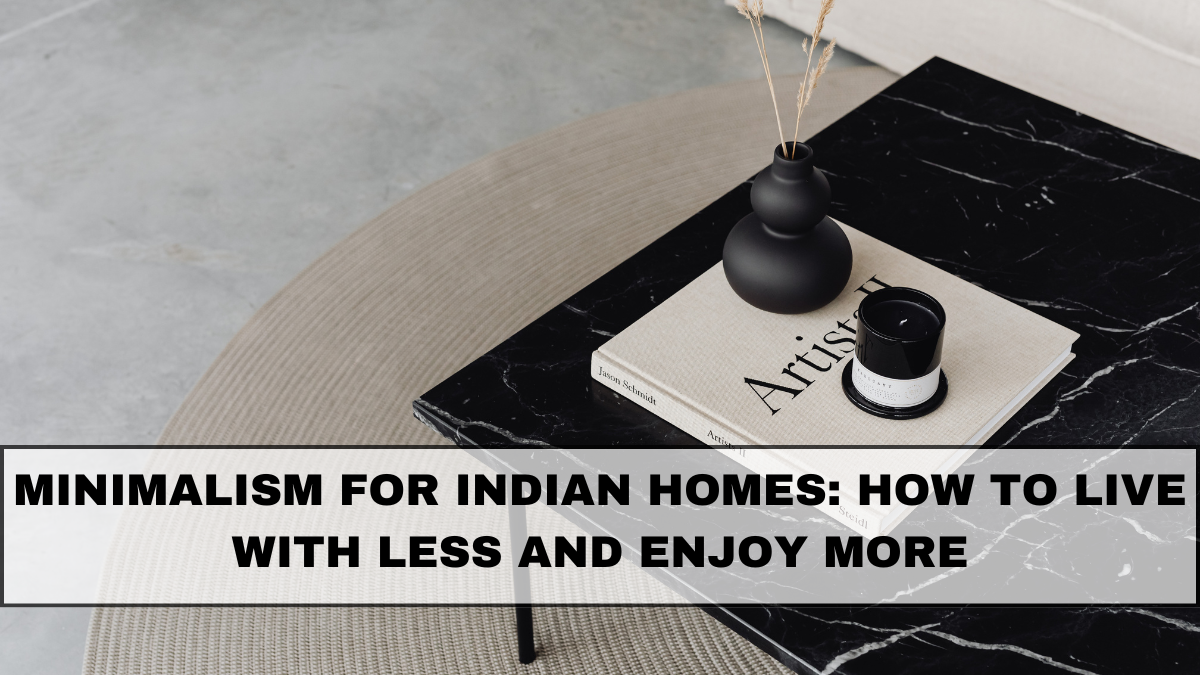
Minimalism is becoming increasingly popular in India as more people realise that owning more does not always mean living better. From crowded wardrobes to overstuffed kitchens and endless online purchases, many Indian households struggle with clutter without even noticing it. Mindful consumption and minimalism offer a refreshing alternative—live with less, choose intentionally, and create space for what truly matters.
Unlike Western minimalism, which often focuses on clean aesthetics and neutral colours, minimalism in India is more practical. It aligns with Indian values such as simplicity, sustainability, frugality, and mindful living. Whether you live in a city apartment or a family home, adopting minimalism helps reduce stress, saves money, and creates a more peaceful environment.

Why Mindful Consumption Matters in Indian Lifestyles
India’s rapidly growing digital world encourages constant buying—flash sales, influencer recommendations, seasonal trends, and home décor advertisements appear everywhere. Without realising it, many people buy things they don’t truly need, contributing to clutter, financial stress, and waste.
Mindful consumption is the practice of thinking before buying:
-
Do I really need this?
-
Do I have something similar at home?
-
Will this item truly add value to my life?
When Indians adopt mindful consumption, they make more intentional decisions. This shift not only reduces unnecessary spending but also encourages sustainable choices. For families, it also sets a healthy example for children who grow up learning the value of mindful living rather than impulsive shopping.
How to Start Minimalism in Indian Homes
Minimalism does not mean throwing away everything or living with an empty home. It simply means keeping what you love, use, and value—and letting go of the rest. Here are practical steps Indians can follow:
1. Start With Small Spaces
Instead of decluttering your entire house in one go, begin with manageable areas like:
-
A kitchen drawer
-
Work desk
-
Dressing table
-
Shoe rack
Small wins build momentum and confidence.
2. Follow the One-Year Rule
If you haven’t used an item for 12 months, you most likely don’t need it. This works well for:
-
Old electronics
-
Duplicate utensils
-
Clothes with tags
-
Unused gifts
Donate items that are in good condition.
3. Reduce Duplicates
Indian households often have multiple sets of everything—spoons, plates, boxes, clothes, bedsheets. Keep only what you need and use regularly.
4. Create Functional Spaces
Minimalist Indian homes focus on functionality:
-
Clear countertops
-
Organized kitchen shelves
-
Limited décor items
-
Easy-to-maintain layouts
Functionality reduces cleaning time and creates a peaceful environment.
5. Buy Mindfully
Before buying anything—clothes, gadgets, décor—ask:
-
Is this purchase necessary?
-
Will it replace something old or add more clutter?
-
Does it fit my lifestyle?
Choosing quality over quantity helps reduce waste.
6. Digitise When Possible
Paper clutter is common in Indian homes. Digitise:
-
Bills
-
Receipts
-
Photos
-
Documents
Organize files in labelled folders on your device or cloud storage.
Benefits of Minimalism for Indian Families
Minimalism is not only about neat spaces—it improves mental and emotional well-being too. Indians adopting minimalism experience several benefits:
Reduced Stress
Clutter creates visual noise. A clean environment helps the mind stay calm and improves daily mood.
More Savings
When you buy less, you save more. Minimalism naturally leads to better budgeting and mindful spending.
More Family Time
Less cleaning and organizing leaves more free time for leisure, bonding, and hobbies.
Easier Home Maintenance
Minimalist homes are easier to clean and keep tidy, especially beneficial for working professionals and parents.
Sustainable Living
Minimalism supports sustainability by reducing waste, encouraging recycling, and minimizing environmental impact.
Mindfulness: The Heart of Minimalism
Minimalism is not just about physical spaces—it is also about mental clarity. Mindful living encourages Indians to:
-
Slow down
-
Make intentional decisions
-
Appreciate what they have
-
Reduce digital distractions
-
Prioritize meaningful experiences
Mindfulness helps you recognize what adds value and what does not, allowing you to design a lifestyle filled with purpose rather than possessions.
Minimalism Tips for Indian Urban Lifestyles
Here are additional tips tailored to busy Indian routines:
-
Use capsule wardrobes with versatile clothing
-
Avoid impulsive online shopping
-
Unfollow influencers or pages that trigger overconsumption
-
Declutter every three months
-
Keep only essentials on kitchen surfaces
-
Set a limit for home décor items
-
Teach children to donate old toys before getting new ones
These small changes make a big difference over time.
FAQs
What is minimalism in the Indian context?
Minimalism in India is about simplifying life, reducing clutter, and making mindful choices while still respecting cultural values and traditions.
How can beginners start minimalism easily?
Start with one small area, remove duplicates, and make mindful buying decisions. Small steps help build a long-term habit.
Does minimalism mean giving up comforts?
No. Minimalism is about keeping what adds value to your life and removing unnecessary items, not sacrificing comfort.
Can minimalism help save money?
Yes. When you consume mindfully and avoid buying unnecessary items, you naturally save more over time.
Is minimalism suitable for Indian families?
Absolutely. It reduces clutter, makes home management easier, and encourages sustainable habits for the whole family.
Click here to know more.