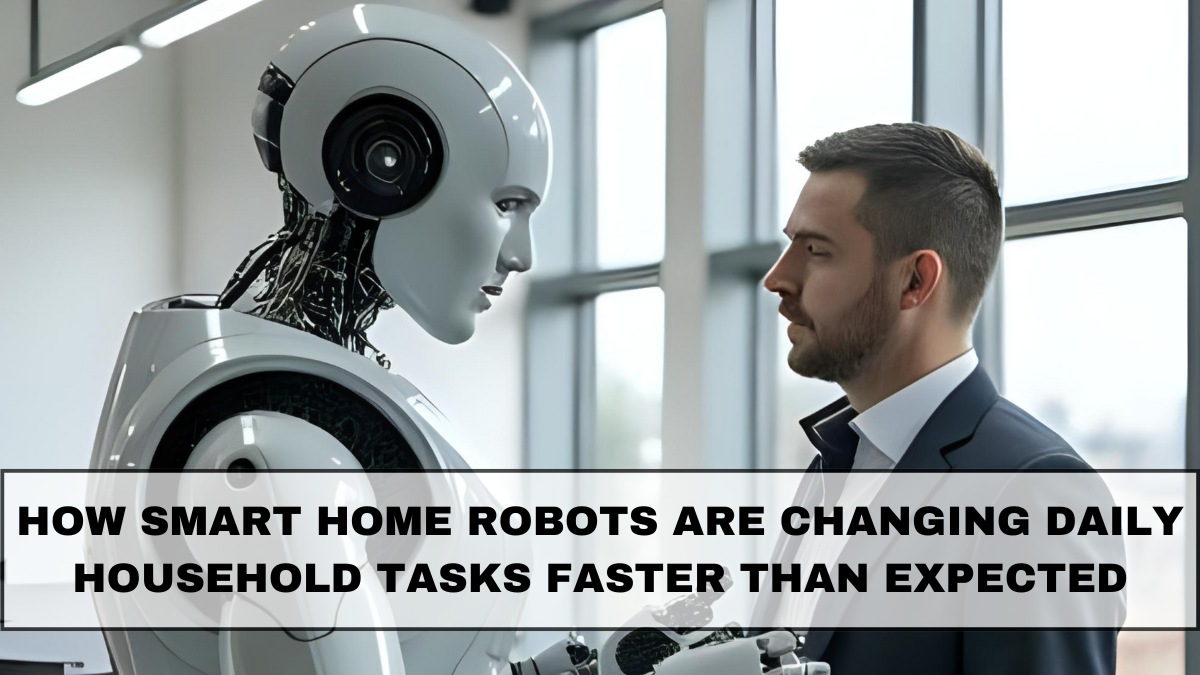
Smart home robots are rapidly becoming a major part of modern living, especially as families continue to balance fast-paced work routines and household responsibilities. The rise of smart home robots marks a new era in household automation, where technology seamlessly fits into everyday life to simplify, accelerate, and even fully automate domestic tasks. From automated cleaning devices to advanced personal assistants and cooking helpers, these intelligent machines are reshaping how people manage their homes.
As household automation becomes more accessible, Indian homes in particular are embracing smart home robots for their convenience, reliability, and time-saving benefits. More affordable options, improved AI capabilities, and easy app-based controls have made these robots an essential part of the modern smart home ecosystem.

Why Smart Home Robots Are Becoming Popular
The growing demand for smart home robots is driven by the need for efficiency and reduced manual effort. With busy work schedules, long commutes, and increasing domestic responsibilities, people are turning to technology to perform repetitive or time-consuming tasks. Smart home robots offer consistent performance, quick response times, and the ability to function independently without supervision.
The popularity is rising due to:
• The need to save time and reduce stress
• Increasing adoption of smart home ecosystems
• Availability of budget-friendly robotic cleaners and assistants
• Improved connectivity through Wi-Fi and voice commands
• Rising awareness of household automation benefits
Smart home robots perform daily chores with precision, making them an attractive investment for homes looking for comfort and convenience.
How Smart Home Robots Automate Daily Tasks
Smart home robots use AI, machine learning, and advanced sensors to perform tasks that once required physical effort. These robots map rooms, detect obstacles, and follow routines based on user preferences. Their ability to perform tasks repeatedly with the same level of efficiency makes them highly dependable.
Common tasks automated by smart home robots include:
• Vacuuming and mopping floors
• Cleaning corners, carpets, and hard-to-reach areas
• Monitoring home security with AI-powered cameras
• Assisting with basic cooking tasks
• Offering voice-controlled reminders and daily updates
• Supporting elderly individuals with mobility or safety alerts
These features demonstrate how household automation is evolving into a more personalized and helpful experience.
Types of Smart Home Robots Trending in 2025
The smart home robots market in 2025 offers a diverse range of devices tailored to different household needs. These devices are now smarter, faster, and more interactive than ever before.
Popular categories include:
• Robotic vacuum and mop cleaners
• Smart kitchen robots capable of chopping, stirring, or heating
• Home security robots with motion sensors
• Personal assistant robots integrated with Alexa or Google Home
• Elder care robots offering reminders, fall detection, and voice interactions
• Garden robots that trim grass or water plants
Each category of smart home robots plays a unique role in enhancing everyday convenience and increasing automation.
Benefits of Household Automation With Smart Robots
One of the strongest advantages of smart home robots is their ability to improve daily productivity. When repetitive tasks are automated, people gain more time for work, family, and self-care. Smart home robots also reduce the physical effort required for tasks like sweeping and mopping.
Key benefits include:
• Time savings and higher household efficiency
• Consistent and accurate task execution
• Reduced workload for families with children or elderly members
• Better hygiene, especially with robotic cleaners
• Energy-efficient functioning with scheduled routines
• Ability to operate completely hands-free
These benefits highlight why household automation is becoming a necessity rather than a luxury.
How Smart Robots Improve Lifestyle and Comfort
Beyond performing tasks, smart home robots also enhance the quality of life. They can create a more comfortable, organized, and stress-free environment. Many users report higher satisfaction after integrating automation tools into their routine.
Lifestyle improvements include:
• Cleaner living spaces with minimal effort
• Better work-life balance
• Increased peace of mind with security robots
• Improved physical and mental well-being
• Enhanced comfort with voice-controlled assistants
Smart home robots bring the future of living directly into homes, improving convenience at every level.
Technology Behind Modern Smart Home Robots
Modern smart home robots are powered by advanced technologies that make them intelligent and independent. These innovations allow robots to understand surroundings, interact with users, and perform tasks smoothly.
Key technologies include:
• AI and machine learning algorithms
• LIDAR sensors for mapping rooms
• Infrared and proximity sensors
• App-based remote controls
• Voice command integration
• Automatic charging and docking systems
• Real-time navigation and obstacle detection
These technologies ensure that household automation is efficient, intuitive, and reliable.
Economic and Practical Benefits of Smart Home Robots
Smart home robots not only save time but also offer financial and practical benefits. Over time, users experience reduced costs associated with manual cleaning or hiring help. Robots also ensure better maintenance of furniture, floors, and household materials due to gentle and consistent cleaning.
Additional advantages include:
• Long-term savings on cleaning expenses
• Durability and low maintenance costs
• Reduced electricity usage due to smart scheduling
• Ability to multitask while robots operate
• Increased property value for homes equipped with automation
From daily tasks to long-term lifestyle value, smart home robots provide wide-ranging benefits.
Challenges in Smart Home Robot Adoption
While the benefits are impressive, there are challenges to consider. Some homes may face limitations depending on layout or connectivity. Others may need time to adjust to robot usage.
Common challenges include:
• Higher initial cost for advanced robots
• Need for regular software updates
• Limited effectiveness in cluttered homes
• Dependency on Wi-Fi for seamless operation
Despite these challenges, the long-term advantages often outweigh the drawbacks for most households.
Conclusion
Smart home robots are transforming the way people manage household tasks by offering speed, precision, and convenience. With innovations in AI and household automation, these robots are making daily life smoother than ever. As technology becomes more affordable and powerful, smart home robots will continue to play a central role in modern smart homes. Their ability to save time, reduce workload, and improve comfort makes them one of the most impactful household technologies of the decade.
FAQs
How do smart home robots help with daily chores?
They automate tasks like cleaning, monitoring, and reminders, saving time and reducing manual effort.
Are smart home robots expensive?
Basic models are affordable, while advanced robots with AI features cost more.
Can robots work in small Indian apartments?
Yes, most smart home robots are designed to navigate compact spaces easily.
Do smart home robots require maintenance?
Minimal maintenance is needed, such as cleaning filters or updating software.
What tasks can smart home robots perform?
They can vacuum, mop, monitor security, assist with cooking, and support elderly care.