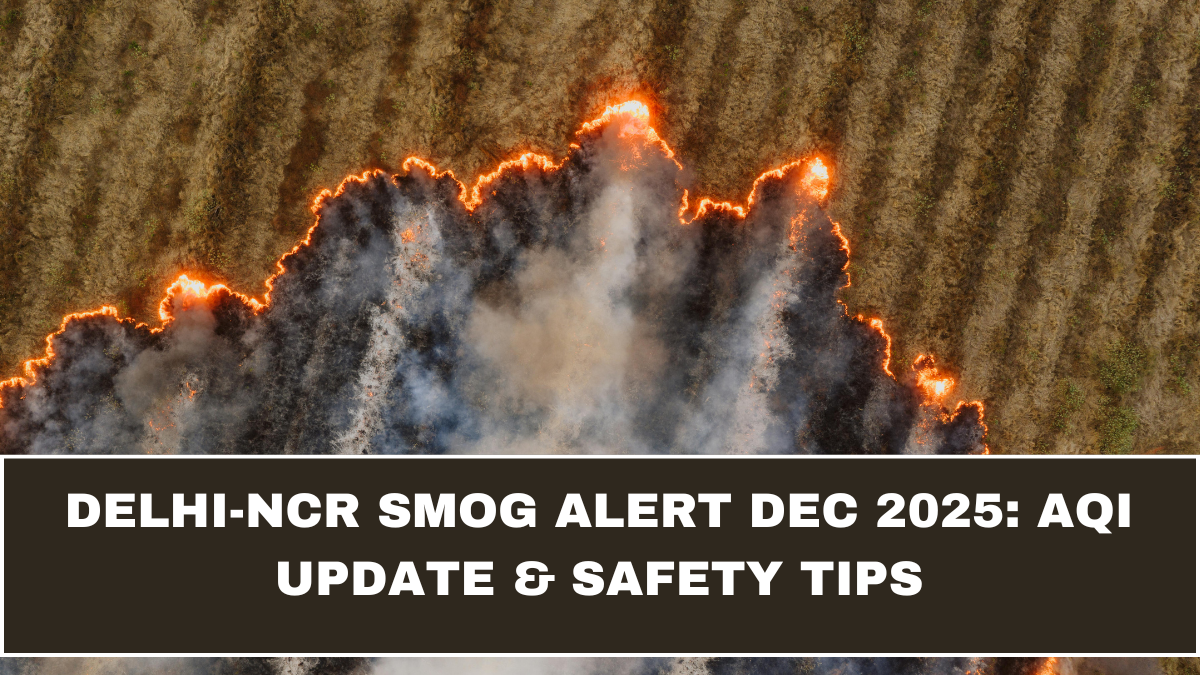
Delhi-NCR has entered the peak winter pollution phase, and AQI levels in December 2025 continue to remain “very poor”, according to the latest reports from CPCB and news outlets. Several regions across Delhi, Noida, Ghaziabad, and Greater Noida recorded AQI readings above 300, with areas such as Bawana touching 342, making this one of the most polluted stretches of the winter season. Smog, low visibility, rising PM2.5 levels, and stagnant winds continue to worsen conditions for residents.
This article provides a fact-based December 2025 AQI update, the health effects of the current smog wave, and essential winter safety measures for people living in Delhi-NCR.
Delhi-NCR AQI Update for December 2025
Verified reports indicate that Delhi-NCR has been consistently recording AQI in the “very poor” range, with several pockets slipping toward “severe.”
Latest data reported:
-
Delhi: Average AQI around 333, classified as very poor
-
Bawana: Among the worst-hit areas with AQI 342
-
Noida: AQI 330, also in the very poor range
-
Ghaziabad: AQI hovering between 309–315, still in the very poor bracket
Multiple NCR cities have been listed among the ten most polluted cities in India for November–December 2025, with Ghaziabad topping the list.
The factors contributing to the ongoing spike include:
-
Sharp rise in PM2.5 levels, exceeding safe limits by up to 3x
-
Low wind speed, preventing dispersal of pollutants
-
Temperature inversion, trapping pollutants close to the surface
-
Dust, vehicular emissions, industrial activity, and seasonal burning
Visibility also dropped significantly on several mornings, with the Indian Institute of Tropical Meteorology noting the presence of mist and haze across NCR due to slow surface winds.
Why Pollution Spikes in December Every Year
December is historically one of the most polluted months for Delhi-NCR. The combination of winter weather and year-round emission sources results in sustained high AQI levels.
Major reasons for the December smog wave:
-
Low temperatures cause pollutants to settle near the ground.
-
Sluggish evening winds make it hard for pollution to disperse.
-
Vehicular load increases during the festive travel period.
-
Industrial units around NCR operate at full winter-season capacity.
-
Construction activities worsen dust concentration.
Even though stubble burning contributions were reported to be lower compared to the previous year (7% vs 20%), the overall air quality remained concerning.
Health Risks During “Very Poor” AQI
A “very poor” AQI (301–400) can significantly impact the health of both vulnerable and healthy individuals.
According to health experts and environmental monitoring reports, the major risks include:
-
Irritation in eyes, throat, and nose
-
Worsening of asthma, bronchitis, and sinus issues
-
Shortness of breath after mild physical activity
-
Increased coughing and chest tightness
-
Reduced lung function, especially in children and the elderly
-
Higher chance of infections due to weakened airway defense
Doctors in NCR have reported a rise in:
-
Respiratory emergencies
-
Seasonal bronchitis
-
Viral infections aggravated by smog
-
Early morning breathing discomfort
Safety Tips for Delhi-NCR Residents
Given the current air quality levels, residents are advised to take preventive steps, especially during peak smog hours.
1. Avoid Outdoor Activities in the Morning
Morning hours have the highest pollution concentration due to temperature inversion. Prefer stepping out after 12 PM when dispersion improves slightly.
2. Use N95 or N99 Masks
Simple cloth or surgical masks do not block fine PM2.5 particles. Using N95/N99 masks helps significantly reduce exposure.
3. Keep Windows Closed During Peak Hours
While ventilation is important, opening windows early in the morning or late at night can bring polluted air inside.
4. Air Purifiers for Indoor Safety
Use purifiers with HEPA filters to reduce indoor PM2.5 concentration.
5. Hydrate and Use Steam Therapy
Hydration helps flush pollutants. Steam therapy supports clear nasal passages.
6. Avoid Intense Outdoor Exercise
Running or exercising outdoors increases inhalation of toxic particles.
7. Plants for Indoor Air Quality
Plants like areca palm, snake plant, and money plant help maintain cleaner indoor air.
Government & Civic Measures in December 2025
Verified December 2025 reports show:
-
Criticism over limited enforcement of pollution-control measures, including removal of anti-smog guns in some NCR cities.
-
Ongoing efforts by the Indian Institute of Tropical Meteorology to track wind conditions and pollution predictions.
-
Strict monitoring of industrial clusters around NCR.
-
Traffic movement advisories issued during heavy haze days.
Despite certain improvements, experts note that stronger multi-sector reforms are crucial.
Conclusion
The Delhi-NCR AQI in December 2025 remains firmly in the very poor category, with several regions experiencing severe smog, reduced visibility, and rising health complaints. With winter conditions expected to maintain pollutant levels in the atmosphere, residents must follow safety guidelines and health precautions. Government agencies have stepped up monitoring, but reducing exposure remains the most effective personal protection measure during this smog-heavy phase.
FAQs
What is the current AQI in Delhi-NCR for December 2025?
Most parts of Delhi and NCR are recording AQI between 309–342, categorized as very poor, according to CPCB and media reports.
Which areas recorded the worst AQI?
Bawana (342), central Delhi (330+), Noida (330), and Ghaziabad (309–315) are among the worst-hit areas.
Is it safe to go for morning walks?
No. Morning hours have the highest pollution levels. Avoid outdoor physical activity early in the day.
What mask should I use in current pollution levels?
N95 or N99 masks are recommended because they block PM2.5 particles.
Can indoor air purifiers help?
Yes. Purifiers with HEPA filters significantly reduce indoor pollution.