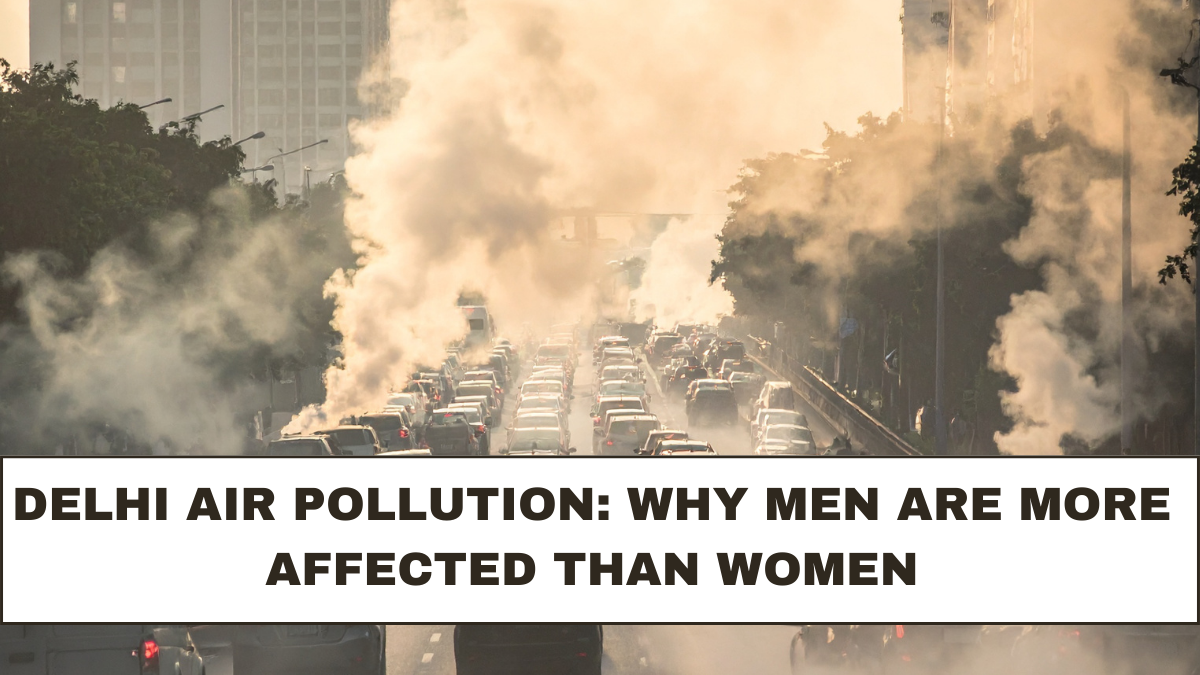
A recent Delhi air pollution study has sparked widespread discussion after revealing that men in the capital are exposed to significantly higher pollution levels than women. According to the findings, men may be breathing up to 1.4 times more polluted air, raising serious concerns about long-term health risk and lifestyle factors.
This air pollution gender study has added a new dimension to India’s pollution debate by highlighting how exposure differs not just by location, but also by daily behaviour and occupation.
What the New Study Reveals
The Delhi air pollution study examined daily exposure patterns among men and women across different parts of the city. Researchers analysed commuting habits, work environments and time spent outdoors to reach their conclusions.
Key findings from the study include:
• Men spend more time outdoors
• Longer commuting hours
• Higher exposure to traffic pollution
• Greater involvement in outdoor occupations
• Increased physical exertion in polluted areas
These factors combined explain why men face a higher health risk related to air pollution.
Why Men Breathe More Polluted Air in Delhi
According to the air pollution gender study, the difference is not biological but behavioural. Men are more likely to work outdoors or travel longer distances, increasing their exposure.
Major reasons highlighted include:
• Outdoor job roles
• Longer travel durations
• Use of two-wheelers
• Greater exposure to peak traffic hours
• Higher activity levels outdoors
The Delhi air pollution study shows that exposure patterns matter as much as pollution levels themselves.
Occupational Exposure Plays a Big Role
One major insight from the Delhi air pollution study is the role of occupation. Men dominate sectors that require outdoor work, significantly increasing pollution intake.
High-exposure occupations include:
• Delivery personnel
• Traffic police
• Construction workers
• Street vendors
• Transport workers
These roles elevate daily health risk, especially during peak pollution seasons.
Commuting Habits Increase Health Risks
Commuting emerged as another key factor in the air pollution gender study. Men often travel longer distances for work, frequently during rush hours.
Risk factors include:
• Long-distance travel
• Exposure to vehicle emissions
• Inadequate pollution protection
• Peak-hour commuting
• Use of open vehicles
The Delhi air pollution study links these habits directly to increased inhalation of harmful particles.
Health Impacts Highlighted by the Study
The Delhi air pollution study warns that higher exposure can translate into serious health consequences over time.
Health risks associated with prolonged exposure include:
• Reduced lung capacity
• Respiratory disorders
• Increased cardiovascular strain
• Chronic fatigue
• Higher risk of long-term illness
The air pollution gender study stresses that early awareness is crucial for prevention.
Why Women Are Relatively Less Exposed
While women are not immune to pollution, the Delhi air pollution study found relatively lower exposure due to lifestyle patterns.
Contributing factors include:
• More time spent indoors
• Shorter commuting distances
• Less involvement in outdoor occupations
• Flexible work arrangements
• Reduced exposure during peak hours
However, researchers caution that indoor pollution remains a concern.
What This Study Means for Public Health Policy
The air pollution gender study highlights the need for targeted health strategies rather than one-size-fits-all solutions.
Key policy insights include:
• Occupational safety measures
• Better urban transport planning
• Protective gear for outdoor workers
• Awareness campaigns for high-risk groups
• Gender-specific health assessments
The Delhi air pollution study calls for action beyond seasonal pollution control.
Public Reaction and Expert Opinions
The findings of the Delhi air pollution study sparked strong reactions online, with many users expressing concern for frontline workers.
Experts emphasised:
• Behavioural exposure patterns matter
• Prevention strategies must be personalised
• Early screening can reduce health risk
• Policy must consider exposure duration
• Awareness is key to change
The air pollution gender study has reshaped how people view pollution exposure.
How Individuals Can Reduce Exposure
Based on insights from the Delhi air pollution study, experts suggest practical steps to reduce personal exposure.
Recommended measures include:
• Avoiding peak pollution hours
• Using protective masks outdoors
• Choosing cleaner commuting routes
• Regular health check-ups
• Limiting outdoor exertion during high AQI days
These steps can help lower health risk, especially for high-exposure groups.
Conclusion
The Delhi air pollution study reveals a crucial but often overlooked reality — pollution exposure is shaped by daily behaviour and work patterns. By showing that men in Delhi breathe significantly more polluted air than women, the air pollution gender study highlights the urgent need for targeted awareness, protective measures and policy reforms. Addressing pollution is not just about cleaner air, but also about understanding who is most at risk and why.
FAQs
What does the Delhi air pollution study reveal?
It shows that men in Delhi inhale up to 1.4 times more polluted air than women.
Why are men more affected by air pollution?
Due to longer outdoor exposure, commuting and occupational roles.
Is this difference biological?
No, the air pollution gender study points to behavioural and lifestyle factors.
Does this mean women are safe from pollution?
No, women also face risks, especially from indoor pollution.
What can reduce pollution-related health risks?
Limiting outdoor exposure, using protection and regular health monitoring.
Click here to know more.