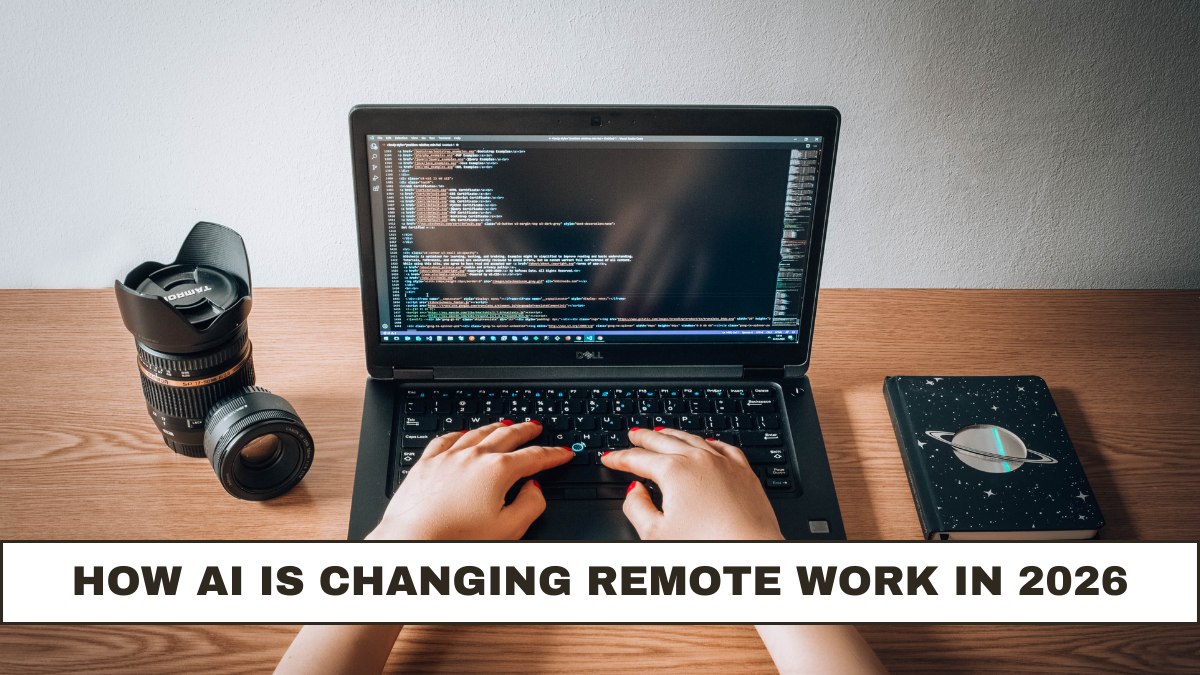
The rise of remote and hybrid jobs has permanently changed how people work, and AI for remote work is now playing a central role in shaping this transformation. From task management to communication and productivity support, artificial intelligence is becoming deeply integrated into daily work-from-home routines.
As companies adapt to flexible work models, work from home tech powered by AI is helping teams stay organized, efficient, and connected. This shift is not about replacing employees, but about improving how work gets done in distributed environments.
Why AI Is Becoming Essential for Remote Work
Remote work comes with challenges such as communication gaps, time management issues, and productivity tracking. AI productivity tools are increasingly used to solve these problems by automating repetitive tasks and offering smart assistance.
Key reasons AI is being adopted for remote work include:
• Managing workload more efficiently
• Reducing manual coordination
• Improving collaboration
• Supporting focus and time management
• Streamlining digital workflows
This makes AI for remote work a practical solution rather than a futuristic concept.
AI Tools That Support Daily Remote Work Tasks
Many modern tools already use AI in the background to assist remote workers. These systems help with planning, writing, organizing, and analyzing tasks.
Common examples of AI-supported functions include:
• Smart task prioritization
• Automated meeting summaries
• Writing and editing assistance
• Email drafting and sorting
• Document organization
Such features allow employees to focus more on decision-making rather than routine admin work.
How AI Improves Communication in Remote Teams
Communication is one of the biggest challenges in distributed teams. AI productivity tools help improve clarity and reduce misunderstandings.
AI-enhanced communication features include:
• Automatic meeting notes
• Real-time transcription
• Message summarization
• Language translation
• Tone and clarity suggestions
These tools ensure that important information is captured accurately and shared efficiently, supporting smoother collaboration.
AI and Time Management for Remote Workers
Managing time effectively is critical in remote work environments. AI for remote work offers solutions that help people stay focused and organized throughout the day.
Common AI-based time management features include:
• Smart scheduling suggestions
• Focus reminders
• Task deadline tracking
• Productivity insights
• Work pattern analysis
By analyzing activity patterns, AI helps users identify distractions and optimize their daily routines.
Role of AI in Hybrid Work Models
Hybrid work combines office and remote setups, which creates coordination challenges. Work from home tech powered by AI helps bridge this gap.
AI assists hybrid teams by:
• Aligning schedules across locations
• Supporting asynchronous communication
• Tracking progress across teams
• Reducing meeting overload
• Maintaining consistency in workflows
This helps organizations maintain productivity regardless of where employees are located.
AI-Powered Collaboration Tools
Collaboration platforms increasingly rely on AI to make teamwork smoother. These tools support shared projects by offering intelligent suggestions and automation.
Features often include:
• Smart document collaboration
• Automatic version tracking
• Content suggestions
• Workflow automation
• Context-based recommendations
Such capabilities enhance AI productivity across remote teams.
AI for Performance Insights and Feedback
Managers and team leaders use AI-driven analytics to gain insights into work patterns without micromanaging. These tools focus on trends rather than surveillance.
Insights may include:
• Project completion patterns
• Team workload balance
• Bottlenecks in processes
• Engagement indicators
• Efficiency trends
Used responsibly, AI for remote work supports better planning and decision-making.
Supporting Employee Wellbeing With AI
Remote work can blur boundaries between personal and professional life. AI tools are increasingly designed to support balance and wellbeing.
Wellbeing-focused AI features include:
• Break reminders
• Work-hour monitoring
• Burnout indicators
• Wellness nudges
• Focus time protection
These features help promote healthier work habits in remote setups.
Challenges and Limitations of AI in Remote Work
Despite its benefits, AI for remote work also comes with challenges that organizations must manage carefully.
Common limitations include:
• Privacy concerns
• Data security risks
• Over-reliance on automation
• Learning curves for users
• Need for human oversight
Responsible implementation is essential to maintain trust and effectiveness.
Why AI Will Continue Shaping Remote Work
The combination of flexibility and efficiency makes AI a natural fit for remote environments. As work from home tech evolves, AI will continue to play a larger role in organizing work, improving communication, and supporting productivity.
Rather than replacing people, AI acts as a support system that helps teams work smarter and more sustainably.
Conclusion
AI for remote work is transforming how people collaborate, manage tasks, and stay productive in 2026. With intelligent tools supporting communication, time management, and workflow organization, remote and hybrid work environments are becoming more structured and efficient.
As adoption grows, AI productivity tools will remain essential in shaping modern work culture, helping individuals and teams adapt to flexible, digital-first workplaces.
FAQs
What is AI for remote work?
AI for remote work refers to tools that use artificial intelligence to help manage tasks, communication, and productivity in work-from-home or hybrid setups.
How does AI improve productivity in remote jobs?
AI automates repetitive tasks, organizes workflows, and provides insights that help workers manage time better.
Is AI replacing remote workers?
No, AI mainly supports workers by handling routine work and improving efficiency, not replacing human roles.
What types of AI tools are used in remote work?
Common tools include writing assistants, meeting summarizers, scheduling tools, and workflow automation platforms.
Is AI safe to use for remote teams?
Most tools are safe when used responsibly, with attention to privacy and data protection policies.
Click here to know more.