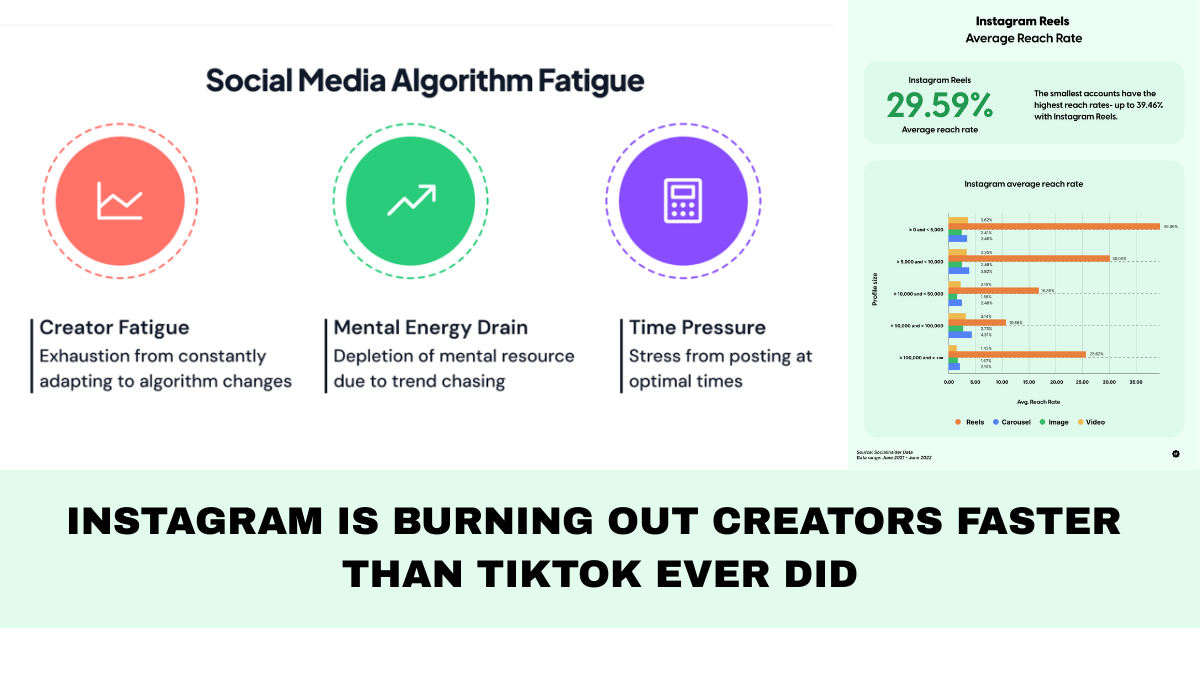
The Instagram creator burnout crisis is no longer subtle. Creators aren’t just tired—they’re drained, anxious, and quietly disengaging. Posting feels heavier. Engagement feels unpredictable. Growth feels performative. And the pressure to stay visible never shuts off.
What’s different in 2026 is that creators aren’t blaming themselves anymore. They’re pointing directly at the system. Instagram’s algorithmic demands are pushing creators into an unsustainable cycle—and Meta knows exactly what it’s doing.
Why Instagram Creator Burnout Is Accelerating in 2026
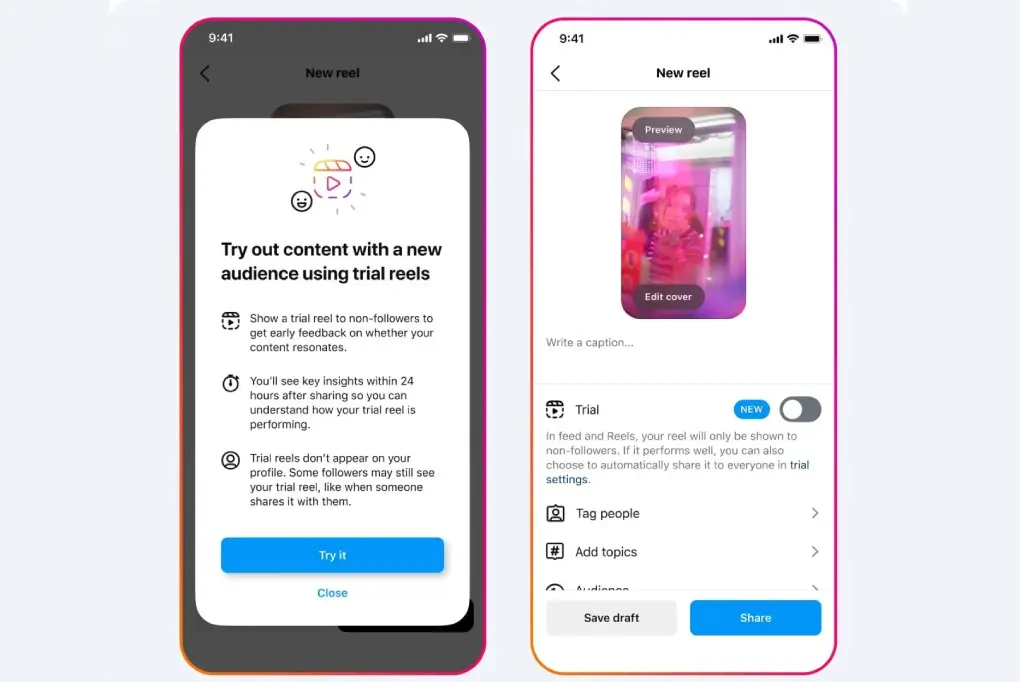
The pace expected from creators has crossed a psychological threshold.
The Instagram creator burnout surge is driven by:
• Mandatory Reels-first strategy
• Declining reach for static posts
• Pressure to post daily or disappear
• Inconsistent engagement feedback
Creators are no longer rewarded for quality—they’re punished for slowing down.
How Algorithm Pressure Rewires Creator Behavior
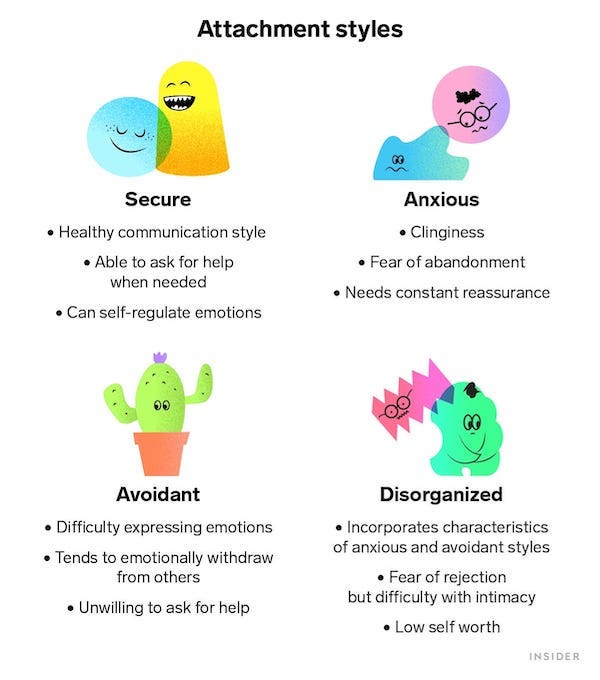
Instagram doesn’t just rank content—it shapes behavior.
Creators now:
• Post even when uninspired
• Chase trends they don’t enjoy
• Obsess over first-hour engagement
• Delete posts that don’t perform
This constant optimization loop fuels Instagram creator burnout by turning creativity into surveillance.
Why Creators Say Instagram Feels Worse Than TikTok
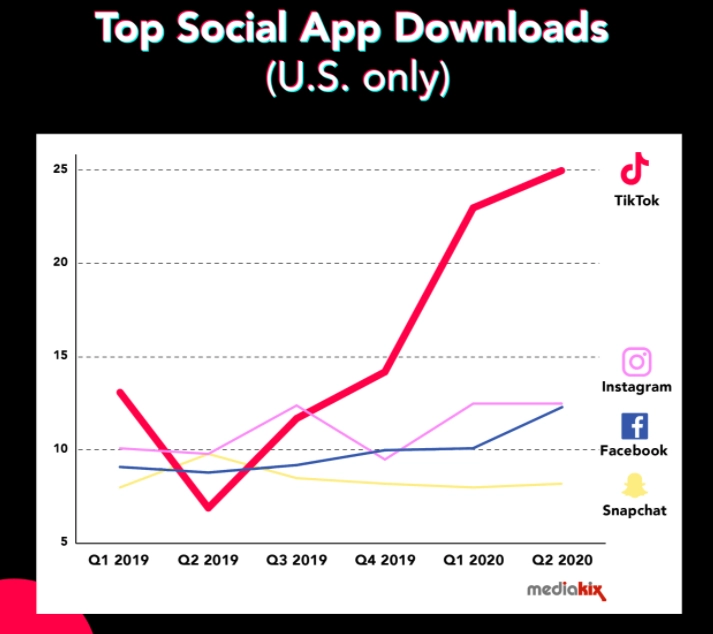
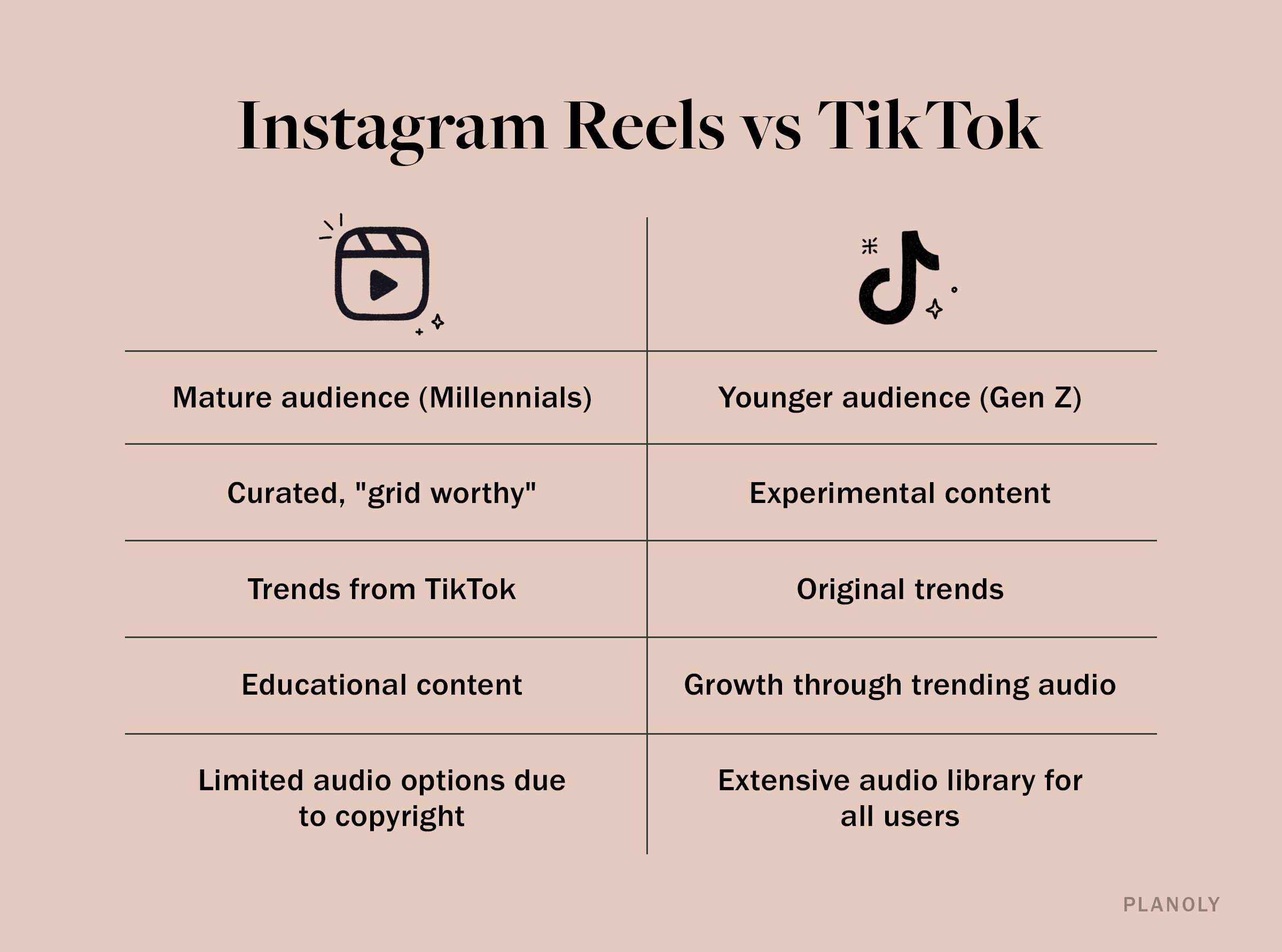
Creators consistently report that TikTok feels less emotionally punishing.
Key differences:
• TikTok content has longer shelf life
• Performance is less follower-dependent
• Discovery feels less personal
On Instagram, poor performance feels like rejection—because it is personal.
Mental Health Costs Creators Aren’t Talking About Publicly

Behind polished posts are creators quietly struggling.
Hidden impacts include:
• Anxiety tied to posting schedules
• Guilt when taking breaks
• Identity tied to engagement metrics
• Fear of becoming irrelevant
Instagram creator burnout isn’t just professional—it’s deeply personal.
Why Meta Hasn’t Slowed the System Down

Meta’s incentives are structural.
Why pressure persists:
• More content = more ad inventory
• Creator exhaustion doesn’t hit revenue immediately
• Individual burnout is invisible at scale
From a business view, the system works—even if creators don’t.
How Creators Are Quietly Pushing Back
Creators aren’t protesting loudly—they’re disengaging.
Emerging behaviors:
• Posting less but cross-posting elsewhere
• Prioritizing email and communities
• Ignoring “best time to post” rules
• Accepting slower growth for sanity
This is resistance through withdrawal.
Why Burnout Is Becoming a Platform Risk
When creators burn out, platforms eventually feel it.
Risks include:
• Decline in original content
• Recycled trends dominating feeds
• Reduced creator loyalty
• Migration to alternative platforms
The Instagram creator burnout problem isn’t just human—it’s strategic.
What Sustainable Creation Would Actually Look Like
What creators actually need:
• Predictable reach signals
• Reduced posting pressure
• Clear communication from platforms
• Permission to slow down
Without this, burnout remains inevitable.
Conclusion
Instagram creator burnout is the cost of a system optimized for constant output, not human limits. Creators aren’t failing the platform—the platform is failing creators. And in 2026, more creators are choosing mental health over metrics.
The question isn’t whether creators are burning out.
It’s how long Instagram can ignore it before the ecosystem fractures.
FAQs
Why are Instagram creators burning out so fast?
Because algorithm pressure demands constant posting with unpredictable rewards.
Is Instagram worse than TikTok for burnout?
Many creators say yes due to follower dependency and engagement volatility.
Does taking breaks hurt growth?
Often, yes—but many creators now prioritize wellbeing over growth.
Is Meta aware of creator burnout?
Yes, but business incentives currently outweigh creator sustainability.
Will creators leave Instagram entirely?
Some already are. Others are diversifying to reduce dependency.
Click here to know more.