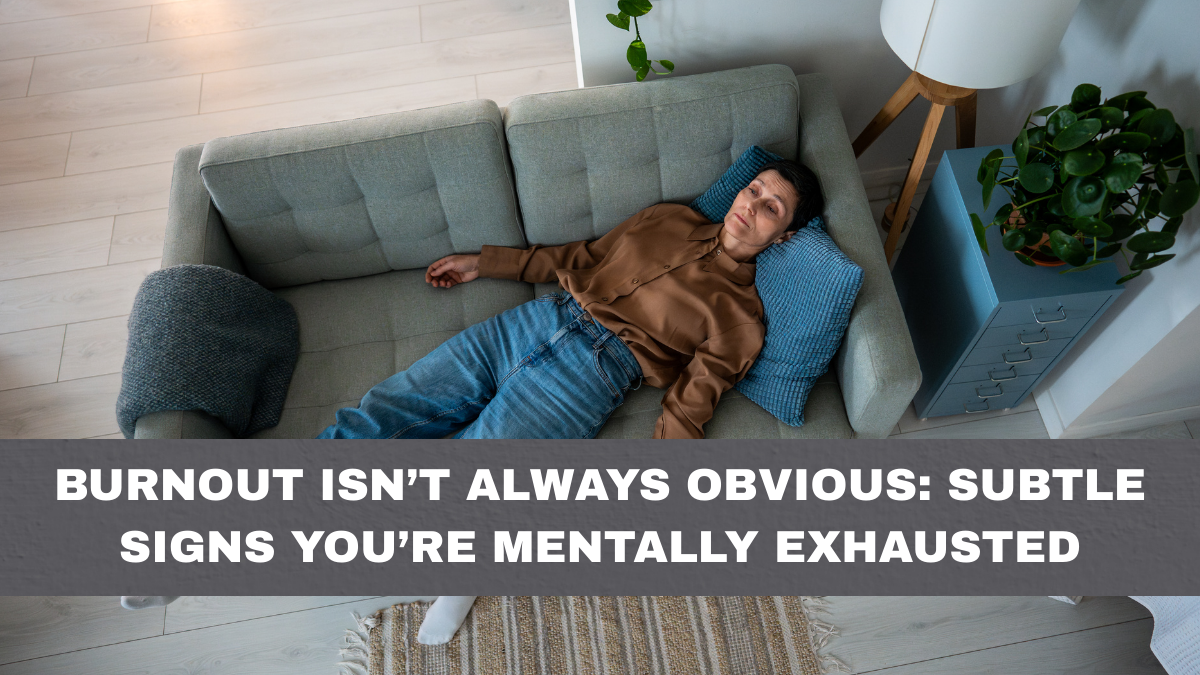
Burnout is often imagined as a dramatic breakdown—someone quitting their job, crying uncontrollably, or completely shutting down. But most burnout doesn’t look like that. It arrives quietly, disguising itself as “normal tiredness,” low motivation, or emotional flatness. These silent burnout signs are easy to ignore because they don’t interrupt life immediately. They slowly drain it.
What makes this form of burnout dangerous is that people continue functioning. They show up, respond to messages, meet deadlines, and appear fine on the surface. Inside, however, emotional exhaustion is building. By the time it becomes obvious, recovery takes much longer.
Why Burnout Is Often Invisible
Burnout today rarely comes from a single crisis. It grows from sustained work stress, emotional load, and constant pressure without adequate recovery.
It stays hidden because:
• Productivity can continue for a long time
• Exhaustion is normalized
• Rest is postponed repeatedly
• Emotional strain is internalized
Silent burnout signs don’t stop you from working—they stop you from feeling.
Constant Tiredness That Sleep Doesn’t Fix
One of the earliest silent burnout signs is persistent fatigue that doesn’t improve with rest. Even after sleeping, the body feels heavy and unrefreshed.
This happens because:
• Stress hormones stay elevated
• The nervous system never fully relaxes
• Mental load continues during rest
This is emotional exhaustion, not laziness.
Loss of Interest in Things You Once Enjoyed
Burnout often dulls pleasure before it destroys motivation. Hobbies feel pointless. Conversations feel draining. Even positive events don’t register emotionally.
Signs include:
• Reduced excitement
• Emotional flatness
• Avoidance of social interaction
This isn’t depression yet—but it’s a warning signal.
Irritability Over Small Things
When emotional reserves are depleted, tolerance drops. Minor inconveniences trigger disproportionate frustration.
Common patterns:
• Snapping at people unexpectedly
• Feeling annoyed by harmless requests
• Low patience without clear reason
These reactions reflect nervous system overload caused by prolonged work stress.
Working on Autopilot
Many people in burnout describe feeling detached from their actions—as if they’re just going through the motions.
Autopilot looks like:
• Completing tasks without engagement
• Forgetting details easily
• Feeling disconnected from outcomes
This is the brain conserving energy under pressure.
Procrastination Despite High Pressure
Burnout doesn’t always produce overworking. Sometimes it causes avoidance.
You may notice:
• Delaying simple tasks
• Feeling stuck before starting
• Overthinking instead of acting
This isn’t a motivation problem—it’s cognitive overload.
Emotional Numbness
One of the most overlooked silent burnout signs is numbness. Not sadness—absence.
Emotional numbness includes:
• Feeling indifferent to good or bad news
• Reduced empathy
• Lack of emotional response
It’s a protective shutdown, not emotional strength.
Physical Symptoms Without Clear Cause
Emotional exhaustion often shows up physically.
Common symptoms include:
• Headaches
• Digestive discomfort
• Muscle tension
• Chest tightness
When medical tests show nothing, stress is often the missing link.
Why People Miss These Signs
Silent burnout signs are easy to dismiss because they resemble normal adult stress.
People ignore them because:
• “Everyone feels this way”
• Productivity hasn’t collapsed yet
• Rest feels undeserved
• Slowing down feels risky
This mindset keeps burnout hidden.
How Silent Burnout Becomes Full Collapse
Burnout doesn’t jump stages. It escalates.
The progression usually goes:
• Chronic stress
• Emotional exhaustion
• Detachment and numbness
• Cognitive fatigue
• Breakdown or forced rest
Catching burnout early prevents the final stages.
What Actually Helps With Silent Burnout
Quick fixes don’t work. Burnout recovery requires reducing load, not just adding rest.
Helpful steps include:
• Reducing emotional demands
• Creating real recovery time
• Setting firmer boundaries
• Re-evaluating workload expectations
Burnout resolves through subtraction, not optimization.
Conclusion
Silent burnout signs are dangerous because they allow exhaustion to deepen unnoticed. Emotional exhaustion doesn’t always announce itself loudly—it whispers through fatigue, numbness, and detachment. Work stress accumulates quietly until the system can’t compensate anymore.
Recognizing these signs early isn’t weakness. It’s maintenance. And maintenance prevents breakdown.
FAQs
What are silent burnout signs?
They are subtle symptoms like emotional numbness, constant fatigue, irritability, and detachment that appear before obvious burnout.
Is silent burnout different from depression?
Yes. Burnout is situational and work-related, while depression affects broader areas of life.
Can you recover from burnout without quitting your job?
In some cases, yes—if workload, boundaries, and recovery improve early enough.
Why doesn’t sleep fix emotional exhaustion?
Because burnout is driven by nervous system overload, not just physical tiredness.
When should someone seek help for burnout?
When exhaustion, numbness, or detachment persist despite rest and begin affecting daily life.
Click here to know more.