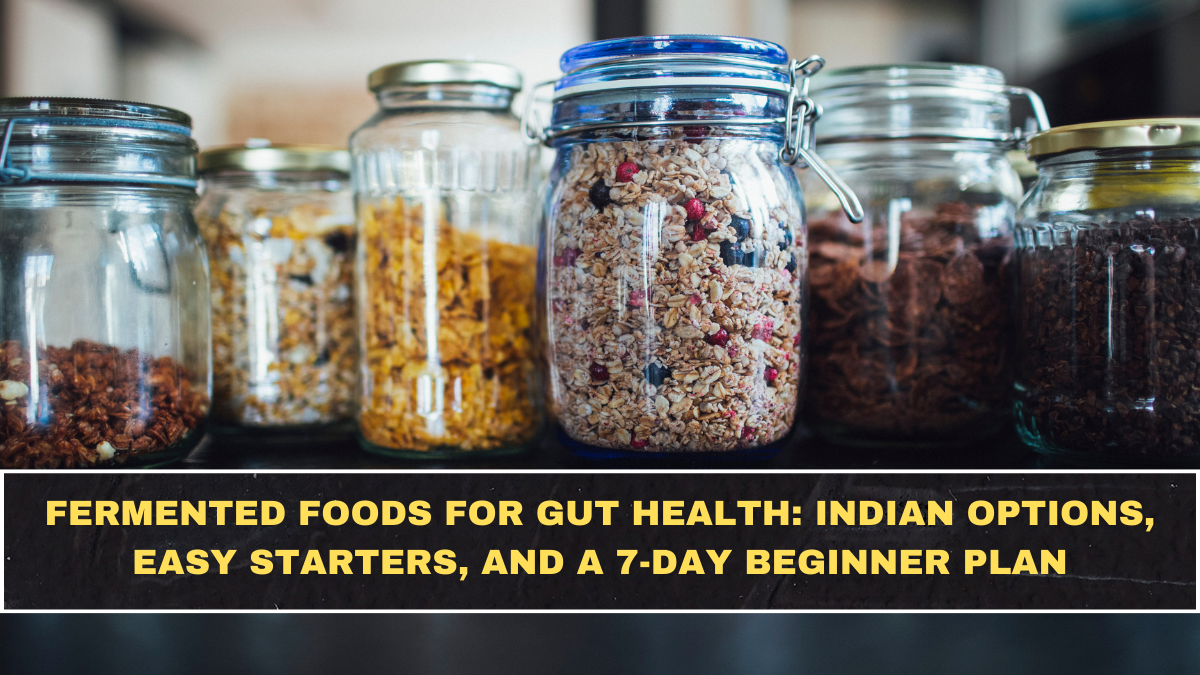
Fermented foods have moved from niche nutrition talk to everyday conversations in India in 2026, largely because people are paying closer attention to digestion, energy levels, and long-term health. Unlike fad diets or extreme wellness trends, fermentation is not new to Indian kitchens. What has changed is awareness of how these foods affect the gut and how regularly they should be consumed.
The challenge for most people is not understanding what fermented foods are, but knowing how to start without overdoing it. Too much, too fast often leads to bloating or discomfort, which is why a realistic, India-first approach matters. When consumed in sensible portions, fermented foods can support gut health in a way that feels natural rather than forced.

What Fermented Foods Actually Do for Gut Health
Fermented foods contain beneficial bacteria formed during the fermentation process. These bacteria can support the gut microbiome, which plays a role in digestion, immunity, and nutrient absorption.
In practical terms, this means fermented foods may help improve digestion regularity, reduce mild bloating over time, and support overall gut balance. The effect is gradual and depends heavily on consistency and portion size.
Fermented foods are not instant solutions. Their role is supportive, not corrective, and they work best as part of a balanced diet rather than as a standalone fix.
Common Indian Fermented Foods You Already Eat
Many Indian households already consume fermented foods without labeling them as such. Idli, dosa, dhokla, and appam batters are classic examples where natural fermentation improves digestibility.
Curd is another widely consumed fermented food that provides beneficial bacteria when fresh and properly stored. Traditional kanji, prepared from fermented vegetables, is also gaining renewed interest.
Pickles made through natural fermentation, not vinegar-based preservation, can also contribute in small amounts. The key is recognizing fermentation as part of tradition rather than a foreign concept.
Portion Control: Why More Is Not Better
One of the most common mistakes beginners make is increasing portions too quickly. Fermented foods introduce new bacteria into the gut, and sudden large quantities can overwhelm digestion.
Small portions allow the gut to adapt gradually. For example, a small bowl of curd or one serving of idli is often sufficient when starting.
Listening to your body is critical. Mild changes are normal, but discomfort is a sign to reduce intake rather than push through.
Who Should Be Careful With Fermented Foods
Fermented foods are generally safe, but not everyone responds the same way. People with severe gut sensitivity, acid reflux, or compromised immunity should proceed cautiously.
Those with histamine intolerance may react poorly to certain fermented foods and should limit or avoid them. Symptoms like headaches, skin reactions, or digestive upset are signs to reassess intake.
As with any dietary change, existing medical conditions should guide how fermented foods are introduced.
Easy Fermented Food Starters for Beginners
Beginners should start with familiar options. Fresh curd is usually the easiest entry point because it is mild and widely tolerated.
Idli or dosa once a day is another gentle way to introduce fermented foods without changing meal patterns drastically. Kanji in small quantities works well for those comfortable with its taste.
Avoid starting with multiple fermented foods at once. Simplicity improves tolerance and helps identify what suits you best.
A Simple 7-Day Beginner Plan
A gradual plan reduces digestive stress. Start with one fermented item per day rather than multiple sources.
In the first two days, include a small serving of curd with lunch. On days three and four, add idli or dosa at breakfast while maintaining curd intake.
Days five and six can include kanji or lightly fermented vegetables in small portions. By day seven, assess how your body feels before expanding variety.
This slow approach builds tolerance and makes fermented foods a sustainable habit.
Fermented Foods vs Probiotic Supplements
Supplements offer concentrated doses, but fermented foods provide bacteria in a food matrix that includes nutrients and fiber. This often makes them gentler and more sustainable.
Fermented foods also encourage mindful eating rather than pill-based solutions. For most people, food-based probiotics are sufficient unless a doctor recommends otherwise.
Choosing food over supplements aligns better with long-term dietary habits.
Storage and Safety That People Overlook
Improper storage can turn fermented foods from beneficial to harmful. Always refrigerate curd and fermented batters once fermentation is complete.
Avoid consuming foods with off smells, mold growth, or excessive sourness beyond normal fermentation. Hygiene during preparation matters just as much as ingredients.
Safe handling preserves benefits and prevents digestive issues.
Conclusion: Start Small and Stay Consistent
Fermented foods for gut health work best when approached patiently and practically. Indian cuisine already offers plenty of options that fit naturally into daily meals without forcing change.
In 2026, the goal is not to chase trends but to build habits that last. Small portions, familiar foods, and steady consistency create benefits without discomfort. When fermented foods are treated as everyday nourishment rather than a cure, they support gut health quietly and effectively.
FAQs
Are fermented foods safe to eat daily?
Yes, when consumed in small, balanced portions, most fermented foods are safe for daily intake.
How long does it take to see benefits?
Benefits are gradual and may take a few weeks of consistent consumption to notice changes in digestion.
Can fermented foods cause bloating?
Yes, especially if introduced too quickly or in large portions. Reducing quantity usually helps.
Is curd enough as a fermented food?
For many people, curd alone provides sufficient support, especially when consumed regularly and fresh.
Should children eat fermented foods?
Yes, in age-appropriate portions, common fermented foods like curd and idli are generally safe.
Are packaged fermented foods reliable?
Fresh, traditionally prepared foods are usually better. Packaged options should be checked for storage and freshness.