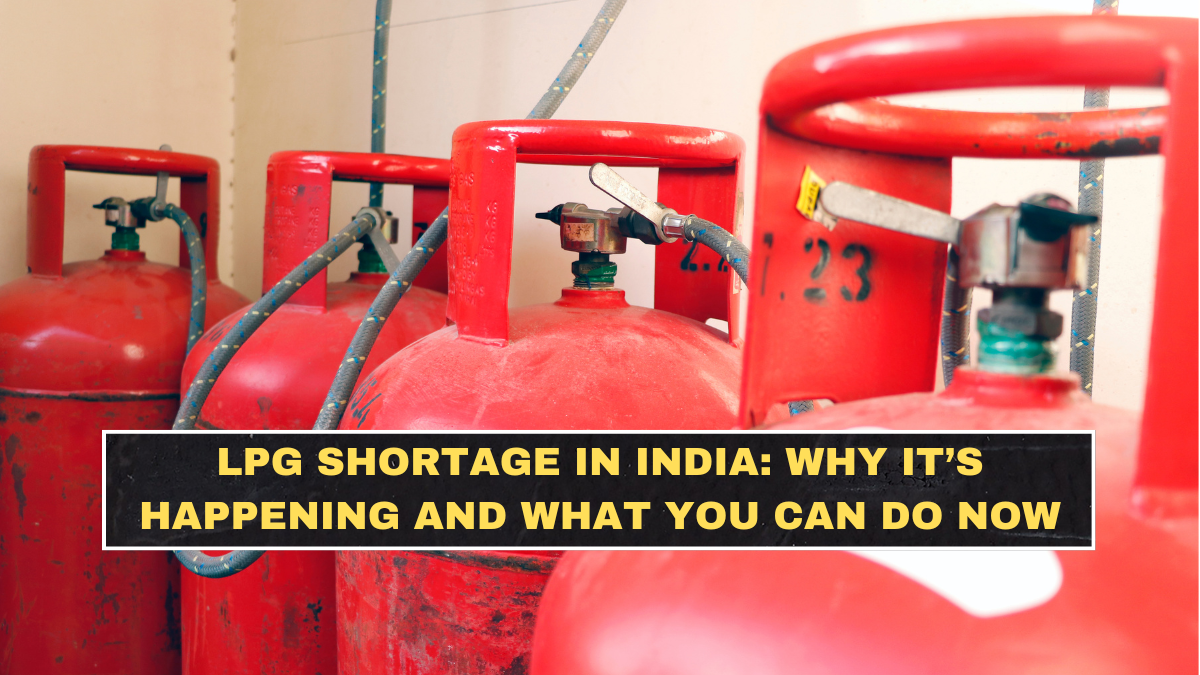
Reports of LPG (liquefied petroleum gas) shortages in parts of India are typically linked to supply chain disruptions, increased demand, and distribution bottlenecks. LPG availability depends on refinery output, import logistics, and last-mile delivery systems.
India relies significantly on imported LPG, and any disruption in global supply routes or domestic distribution can create temporary shortages in certain regions. However, such shortages are usually localized rather than nationwide.
What Is Causing the Current LPG Supply Pressure
The current LPG supply pressure can be traced to a combination of real factors:
-
Higher seasonal demand: Increased usage in households and commercial kitchens
-
Logistics delays: Transportation or bottleneck issues in distribution
-
Import dependency: Global supply fluctuations impacting availability
-
Refill cycle mismatch: Sudden spikes in booking leading to delays
These are operational and demand-driven issues—not permanent supply failures.
Who Is Most Affected by LPG Shortage
| Category | Impact Level | Why It Matters |
|---|---|---|
| Households | Moderate | Delay in cylinder refills |
| Restaurants | High | Daily operations depend on LPG |
| Small Businesses | High | Cost and availability issues |
| Rural Areas | Variable | Distribution delays more common |
Commercial users tend to feel the impact faster because of higher daily consumption.
Signs of LPG Supply Issues You May Notice
-
Delayed cylinder delivery after booking
-
Limited availability with local distributors
-
Increased waiting time for refills
-
Higher dependency on alternative fuels
These are early indicators of localized supply stress.
What You Can Do Right Now
Instead of waiting and reacting late, take practical steps:
-
Book refill early before your cylinder is fully empty
-
Keep a backup cylinder if possible
-
Use LPG efficiently to extend usage
-
Check multiple distributors if delays are long
Most people wait until the last moment—that’s where the real problem starts.
Alternative Cooking Options During Shortage
| Option | Practical Use Case | Limitation |
|---|---|---|
| Induction Stove | Quick cooking, urban homes | Requires electricity |
| Electric Cooker | Rice, basic meals | Limited versatility |
| PNG (if available) | Continuous supply | Not available everywhere |
| Traditional Fuels | Rural fallback | Less efficient |
Induction stoves are becoming the most common backup during LPG disruptions.
Why Restaurants Are Hit Harder
Restaurants rely heavily on continuous LPG supply. Even short disruptions can lead to:
-
Reduced menu options
-
Increased operational cost
-
Temporary closure in extreme cases
This also indirectly affects food pricing and availability for consumers.
Is This a Long-Term Problem
In most cases, LPG shortages in India are temporary and region-specific. The supply chain adjusts over time as logistics normalize and demand stabilizes.
However, increasing demand and dependency on LPG means such situations can recur if not managed efficiently.
What You Should Track
Instead of reacting to panic:
-
Delivery timelines in your area
-
Official announcements from gas agencies
-
Price updates and subsidy changes
-
Availability trends over a few days
This gives a clearer picture than isolated complaints.
Conclusion
LPG shortage reports in India are usually driven by demand spikes and distribution delays rather than a complete supply breakdown. While the situation can be inconvenient, it is often temporary and manageable.
If you wait until your cylinder is empty, you’re creating your own problem. Planning ahead and using alternatives is the smarter approach during such periods.
FAQs
Is there a nationwide LPG shortage in India?
No, shortages are usually localized and temporary.
Why is my LPG delivery delayed?
Due to high demand or distribution issues in your area.
What can I use instead of LPG?
Induction stoves, electric cookers, or PNG where available.
Are LPG prices increasing due to shortage?
Prices depend on global factors and policy, not just local shortage.
How can I avoid LPG issues in future?
Book early, keep backup, and use fuel efficiently.
Click here to know more.