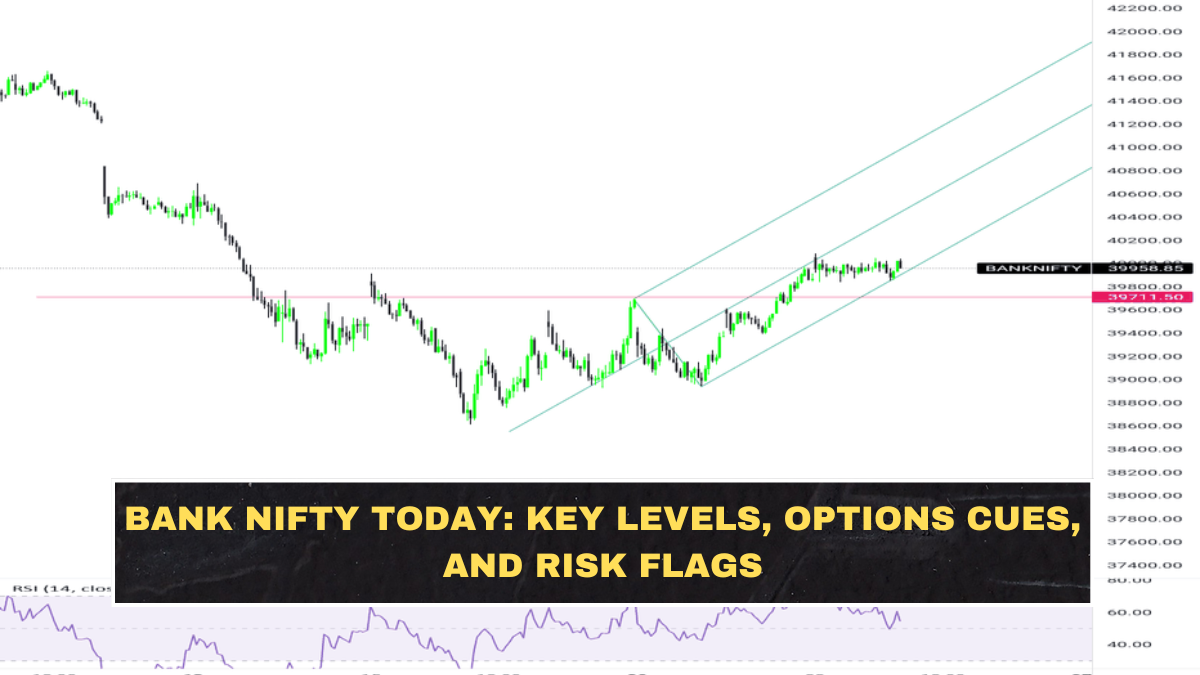
The Bank Nifty index tracks the performance of major banking stocks listed on the National Stock Exchange (NSE). Because banks represent a significant portion of the Indian financial sector, movements in Bank Nifty often influence the broader stock market as well.
Traders closely monitor Bank Nifty due to its high volatility and strong intraday price movements. The index includes leading banking institutions such as private sector banks and public sector banks, making it a key benchmark for financial sector performance in India.
What the Bank Nifty Index Represents
Bank Nifty measures the performance of selected banking stocks with high market capitalization and liquidity. These stocks collectively reflect the health of India’s banking and financial services industry.
| Index Feature | Details |
|---|---|
| Exchange | National Stock Exchange (NSE) |
| Sector Coverage | Banking and financial institutions |
| Index Type | Free-float market capitalization weighted |
| Trading Use | Benchmark for banking sector performance |
| Volatility | Higher compared to broader indices |
Because of the concentration of financial stocks, the index tends to react quickly to economic and policy developments.
Major Banks Included in Bank Nifty
The index includes some of the largest banking institutions in India. Changes in the stock prices of these banks directly affect the index movement.
| Bank Category | Example Institutions |
|---|---|
| Private Sector Banks | Large private banks in India |
| Public Sector Banks | Major government-owned banks |
| Financial Institutions | Selected financial service companies |
These institutions collectively represent the strength and stability of the Indian banking sector.
Key Technical Levels Traders Monitor
Technical analysis plays an important role in Bank Nifty trading. Traders frequently monitor price levels that indicate possible trend changes or market reactions.
| Technical Level | Significance |
|---|---|
| Support Level | Area where buying interest may appear |
| Resistance Level | Area where selling pressure may increase |
| Breakout Level | Price zone indicating potential momentum |
| Consolidation Range | Period of sideways market movement |
Tracking these levels helps traders anticipate potential price movements during the trading session.
Understanding Options Data in Bank Nifty
Options trading activity provides important clues about market sentiment. Traders often analyze open interest data to understand where large positions are being built.
| Options Indicator | What It Suggests |
|---|---|
| Call option concentration | Potential resistance level |
| Put option concentration | Potential support level |
| Rising open interest | Increasing trader participation |
| Changing positions | Possible shift in market sentiment |
These indicators help traders interpret the expectations of market participants.
Factors That Influence Bank Nifty Movement
Several economic and financial factors can affect the direction of the Bank Nifty index.
| Factor | Impact on Bank Nifty |
|---|---|
| Interest rate policies | Influences banking profitability |
| RBI policy announcements | Affects lending and liquidity |
| Economic growth outlook | Impacts loan demand |
| Global financial markets | Influences investor sentiment |
Because banks are closely tied to economic activity, macroeconomic news can significantly move the index.
Risk Flags Traders Should Watch
While Bank Nifty provides strong trading opportunities, its volatility also increases risk. Traders often monitor certain warning signals before entering positions.
| Risk Indicator | Why It Matters |
|---|---|
| Sudden global market swings | Can cause sharp opening gaps |
| Major economic announcements | May increase volatility |
| Large institutional trades | Can quickly shift market direction |
| Unexpected policy changes | Affect financial sector stocks |
Managing risk carefully is essential when trading highly volatile indices.
Conclusion
The Bank Nifty index is one of the most actively traded financial indices in India due to its strong connection to the banking sector and its high volatility. By tracking technical levels, options data, and macroeconomic triggers, traders can better understand market sentiment and identify potential opportunities. However, because of its rapid price movements, proper risk management remains essential when trading the index.
Frequently Asked Questions
What is the Bank Nifty index?
Bank Nifty is a stock market index that tracks the performance of major banking stocks listed on the National Stock Exchange.
Why is Bank Nifty more volatile than other indices?
The index focuses on a single sector—banking—which makes it more sensitive to economic and financial developments.
What is the role of options data in Bank Nifty analysis?
Options data helps traders identify potential support and resistance levels based on market positioning.
Which factors influence Bank Nifty movements?
Interest rate policies, economic growth trends, global market conditions, and banking sector performance influence the index.
Why do traders follow Bank Nifty closely?
Because of its strong intraday movements, Bank Nifty provides active trading opportunities for market participants.