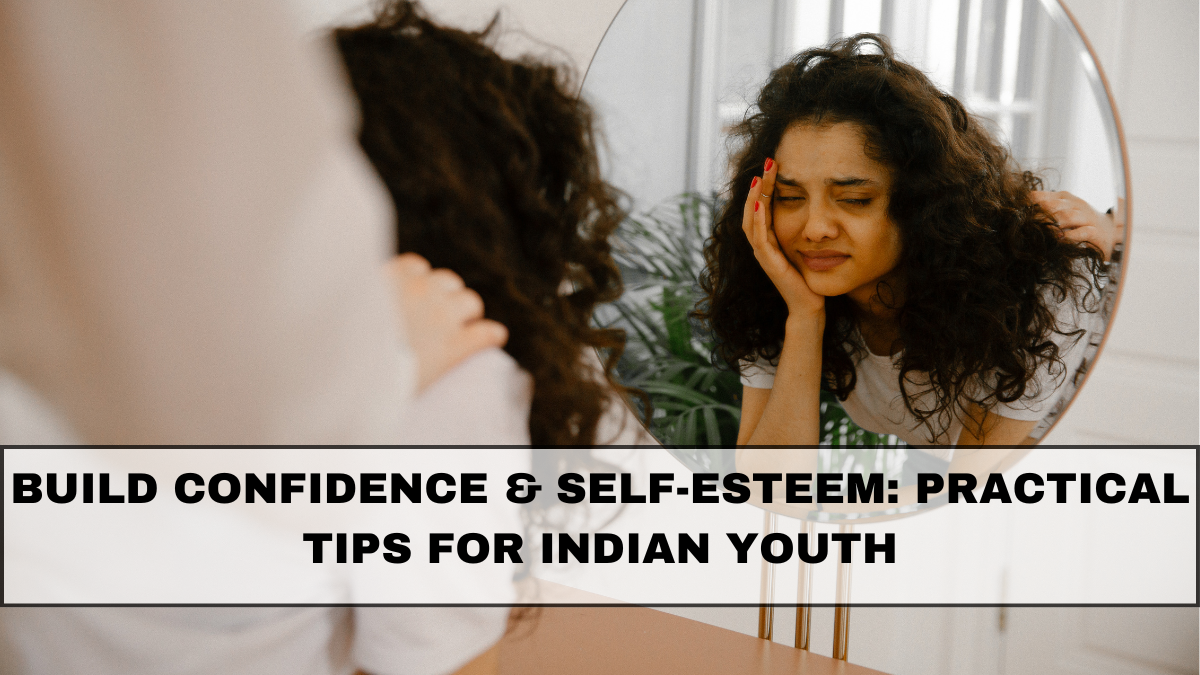
Confidence and self-esteem are two powerful qualities that shape how young people in India see themselves and interact with the world. With academic pressure, social media influence, comparison culture, and expectations from family and society, many teenagers and young adults struggle with self-doubt. The good news is that confidence is not something you are born with—it is something you build daily through consistent habits, mindset shifts, and positive self-belief.
For Indian youth navigating studies, friendships, career choices, and future goals, developing strong self-esteem makes life easier and more fulfilling. It helps you take better decisions, face challenges bravely, express yourself clearly, and stay mentally strong even when things don’t go as planned.

Why Self-Esteem Matters for Indian Youth
Self-esteem affects almost every part of a young person’s life. When you believe in your abilities, you perform better in academics, sports, creative fields, or any passion you pursue. You also communicate better, take initiative, and handle failures without giving up.
In India, where competition is intense and comparison is common, self-esteem protects your mental well-being. Young people who value themselves are less affected by negative comments, unrealistic standards on social media, or pressure from peers. They build healthier relationships, set boundaries, and stay focused on their personal growth rather than comparing themselves to others.
Simple Daily Habits to Build Confidence
Confidence grows through small, everyday actions. You don’t need major life changes—just steady practice of habits that strengthen your mindset.
Practice Positive Self-Talk
The way you speak to yourself matters. Replace thoughts like “I can’t do this” with “I will try my best and improve.” Encourage yourself the way you would encourage a close friend. This shift builds inner strength over time.
Set Small, Achievable Goals
Even small wins boost self-esteem. Instead of setting huge goals, break them into smaller steps:
-
Finish a chapter each day
-
Practice a skill for 15 minutes
-
Wake up 10 minutes earlier
-
Complete one task without distractions
Each small accomplishment builds confidence.
Maintain a Growth Mindset
A growth mindset means believing you can learn anything through effort. If you fail or make mistakes, don’t judge yourself. Instead, ask:
-
What can I learn from this?
-
How can I do better next time?
This mindset makes you resilient.
Improve Body Language
Your posture influences how you feel. Simple changes such as standing straight, making eye contact, and speaking clearly can instantly improve self-confidence.
Limit Social Media Comparison
Scrolling through filtered images and perfect lives increases insecurity. Reduce screen time and follow accounts that inspire positivity rather than comparison.
Building Confidence Through Skill Development
Gaining new skills builds competence and naturally boosts confidence. Indian youth can try:
-
Public speaking or communication skills
-
Creative skills (art, music, writing, design)
-
Fitness or sports
-
Coding or digital skills
-
Language learning
-
Volunteering and social work
Skill development widens opportunities and makes you feel more capable in new situations.
Healthy Lifestyle Habits That Boost Self-Esteem
Mental strength and physical health are connected. When you take care of your body, your mind becomes more confident and energetic.
Exercise Regularly
Even 20 minutes of daily movement improves mood and reduces anxiety.
Eat Balanced Meals
Nutritious food keeps your energy levels high and supports overall well-being.
Practice Mindfulness
Meditation, breathing exercises, journaling, or even spending quiet time away from screens improves clarity and emotional stability.
Sleep Well
Lack of sleep increases irritability and reduces concentration. Aim for consistent and restful sleep.
Building Confidence in Social Situations
Many young Indians feel nervous while speaking in groups, interacting with strangers, or presenting ideas. Confidence comes slowly but consistently with practice.
Start Small Conversations
Talk to classmates, colleagues, or neighbours. Practice asking questions and listening actively.
Join Groups or Clubs
Participating in college societies, sports teams, or hobby clubs exposes you to new people and improves social comfort.
Accept Compliments Gracefully
Instead of rejecting compliments, say “Thank you.” This simple habit boosts self-worth.
Learn Assertiveness
Assertiveness means expressing your thoughts respectfully without fear. It helps you set boundaries and speak confidently in any situation.
How to Handle Failure Without Losing Confidence
Failure is a natural part of life, especially during youth. Instead of letting it break your confidence:
-
Reflect on what went wrong
-
Avoid blaming yourself harshly
-
Take time to learn and improve
-
Try again with a fresh mindset
Failures teach more than successes. What matters is how you rise again.
How Parents and Environment Influence Youth Confidence
Supportive families, understanding teachers, and positive friends play a huge role in building confidence. But even if your environment is not perfect, you can still grow by:
-
Surrounding yourself with positive people
-
Talking to mentors or counsellors
-
Creating your own supportive routines
-
Setting boundaries with negative influences
Your confidence depends more on your actions than your surroundings.
FAQs
How can Indian youth improve confidence quickly?
Start with small goals, positive self-talk, good posture, and limiting negative comparison. Daily practice brings quick changes.
Is confidence something you are born with?
No. Confidence is built through consistent habits, experiences, and mindset shifts.
Can low self-esteem be improved?
Yes. With positive habits, healthy routines, and supportive environments, self-esteem improves over time.
Does social media lower confidence?
Excessive comparison on social media can reduce self-esteem. Balanced use helps maintain a healthy mindset.
How can students build confidence during exams?
Prepare with small study targets, revise consistently, practice mock tests, and maintain a calm daily routine.
Click here to know more.