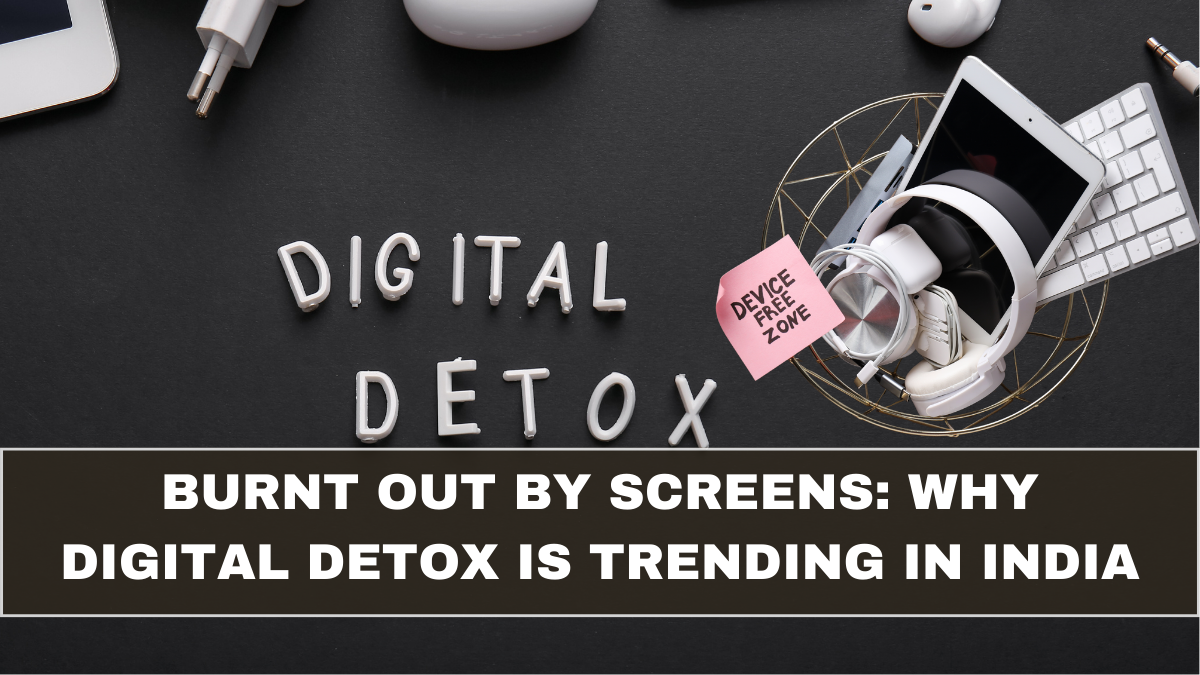
The rapid rise of the Digital detox trend India reflects a growing realization that constant screen exposure is taking a toll on mental, emotional, and physical health. From endless scrolling and work notifications to binge-watching and online meetings, Indians are spending more time on screens than ever before. As screen addiction becomes harder to ignore, many are now choosing to step back to protect their mental wellness.
Across age groups, professions, and cities, the Digital detox trend India is no longer limited to wellness enthusiasts. It has entered mainstream conversations about balance, burnout, and quality of life.

Why Screen Fatigue Is Hitting Indians Hard
India’s digital boom has brought convenience, connectivity, and opportunity—but it has also created a culture of constant availability. The Digital detox trend India is a response to growing screen fatigue caused by lifestyle changes.
Key contributors to screen overload include:
• Long work hours on laptops and phones
• Remote and hybrid work environments
• Heavy social media usage
• Entertainment-driven screen time
• Online education and digital payments
This nonstop exposure is pushing people to reassess their relationship with technology.
What Digital Detox Means Today
The Digital detox trend India does not necessarily mean quitting technology entirely. Instead, it focuses on intentional and mindful usage. People are redefining how, when, and why they use screens.
Digital detox practices commonly include:
• Limiting social media usage
• Turning off non-essential notifications
• Creating phone-free hours
• Avoiding screens before bedtime
• Taking weekend or short-term digital breaks
These small changes are helping individuals regain control over attention and focus.
The Link Between Screen Addiction and Mental Health
One of the strongest drivers of the Digital detox trend India is the link between excessive screen time and declining mental health. Prolonged screen exposure has been associated with anxiety, irritability, poor sleep, and reduced concentration.
Effects of screen addiction often include:
• Constant mental fatigue
• Reduced attention span
• Increased stress levels
• Comparison-driven anxiety
• Emotional burnout
As awareness grows, digital detox is increasingly seen as a preventive mental health strategy.
Social Media Burnout and Emotional Pressure
Social media plays a major role in the Digital detox trend India. While platforms offer connection, they also create emotional pressure through comparison, misinformation, and constant updates.
Common social media-related stressors include:
• Fear of missing out
• Unrealistic lifestyle comparisons
• Information overload
• Negative online interactions
• Pressure to stay constantly updated
Many Indians are choosing to mute, limit, or temporarily quit social media to protect their mental wellness.
How Professionals Are Adopting Digital Detox
Working professionals are among the fastest adopters of the Digital detox trend India. With blurred boundaries between work and personal life, burnout has become common.
Popular workplace-related detox habits include:
• No-work-call hours after office time
• Email-free weekends
• Reducing meeting overload
• Using focus modes during work
• Taking short offline breaks
These changes help restore work-life balance and reduce stress linked to constant connectivity.
Digital Detox Among Students and Young Adults
Students and young adults are also embracing the Digital detox trend India, especially as online education and social media dominate their routines.
Reasons for detox among youth include:
• Academic stress
• Reduced concentration
• Sleep disturbances
• Social comparison anxiety
• Loss of offline social skills
By limiting screen exposure, many report improved focus, better sleep, and stronger real-world connections.
Wellness Benefits of Digital Detox
The popularity of the Digital detox trend India is closely tied to its tangible wellness benefits. People who adopt detox habits often notice positive changes within weeks.
Common benefits include:
• Improved sleep quality
• Better focus and productivity
• Reduced stress and anxiety
• More meaningful offline interactions
• Increased self-awareness
These improvements reinforce the role of digital detox in supporting long-term mental wellness.
How Indians Are Practicing Digital Detox
The Digital detox trend India is highly personalized. Instead of extreme disconnection, most people prefer flexible and realistic approaches.
Trending detox methods include:
• App usage limits
• Scheduled screen-free time
• Digital-free mornings or nights
• Nature walks and offline hobbies
• Mindfulness and journaling
These practices make detox sustainable rather than restrictive.
The Role of Technology in Supporting Detox
Interestingly, technology itself supports the Digital detox trend India. Many devices now include built-in tools to manage screen time.
Helpful features include:
• Screen time trackers
• Focus and do-not-disturb modes
• App usage reminders
• Digital wellbeing dashboards
• Sleep mode settings
These tools encourage conscious usage without complete disconnection.
The Future of Digital Detox in India
The Digital detox trend India is expected to grow as conversations around burnout and balance continue. As awareness spreads, detox is becoming a lifestyle choice rather than a temporary fix.
Future trends may include:
• Workplace digital wellbeing policies
• Digital detox retreats and programs
• Education on healthy screen habits
• Increased focus on offline hobbies
• Cultural shift toward mindful tech use
Digital detox is evolving into a long-term response to modern digital life.
Conclusion
The rise of the Digital detox trend India reflects a collective effort to reclaim focus, peace, and emotional balance in a screen-dominated world. As screen addiction becomes more visible, Indians are choosing mindful technology use to protect their mental wellness. Rather than rejecting digital life, the detox movement encourages healthier boundaries—proving that sometimes, stepping back is the best way to move forward.
FAQs
What is the digital detox trend in India?
It refers to consciously reducing screen time to improve mental and emotional wellbeing.
Why are Indians quitting social media?
Many experience stress, comparison anxiety, and burnout from constant online engagement.
Does digital detox improve mental health?
Yes, many people report better sleep, focus, and reduced stress after detoxing.
Is digital detox only for professionals?
No, students, homemakers, and retirees are also adopting detox habits.
Can digital detox be done without quitting technology completely?
Yes, most people practice mindful and limited usage rather than total disconnection.
Click here to know more.