The Gen Z job hopping trend has become one of the most misunderstood workplace shifts of 2026. Employers call it disloyalty. Managers label it impatience. Headlines frame it as entitlement. But none of those explanations hold up when you look at the actual data and lived reality.
Gen Z isn’t switching jobs because they’re bored. They’re switching because the old promises of stability, growth, and loyalty collapsed before they ever entered the workforce. What looks like recklessness from the outside is, for many, a survival strategy.

Why the Gen Z Job Hopping Trend Is Accelerating

The speed of the Gen Z job hopping trend is directly tied to economic pressure. This generation entered the workforce during layoffs, hiring freezes, and rising living costs—all while being told to “wait it out.”
Key accelerators include:
• Frequent layoffs even in “stable” companies
• Inflation outpacing entry-level salary growth
• Short-term contracts replacing permanent roles
• Promotions slowing or disappearing entirely
When security is already gone, staying loyal feels irrational.
Why Employers Are Interpreting This All Wrong

Many employers frame the Gen Z job hopping trend as a mindset problem. In reality, it’s a trust problem.
Employers still assume:
• Loyalty leads to growth
• Staying longer equals stability
• Hard work guarantees advancement
Gen Z has watched older employees laid off after decades of service. That observation reshaped their expectations permanently.
Career Instability Is the Default, Not the Exception

For Gen Z, career instability isn’t a phase—it’s the baseline.
They’ve experienced:
• Role eliminations within months
• Team restructures without warning
• Salary freezes during record profits
• Managers changing every quarter
Under these conditions, switching jobs isn’t risky. Staying put is.
Why Layoffs Changed Gen Z’s Loyalty Forever

Layoffs didn’t just remove jobs—they removed illusions.
What Gen Z learned early:
• Performance doesn’t guarantee safety
• Culture doesn’t protect jobs
• “We’re a family” doesn’t survive cost-cutting
The Gen Z job hopping trend is rooted in this realization: loyalty is no longer reciprocated.
Why Job Hopping Feels Rational to Gen Z

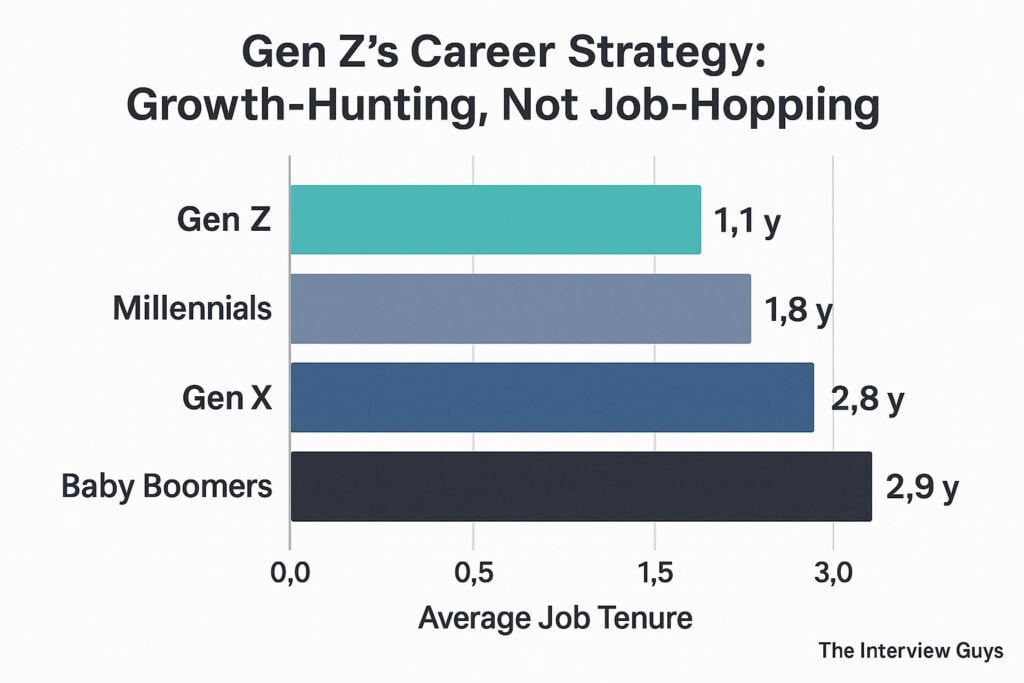
Switching jobs now offers what staying rarely does:
• Faster salary jumps
• Exposure to new skills
• Escape from stagnant roles
• Leverage in negotiations
Gen Z treats jobs as transactions, not identities—because that’s how companies now treat employees.
How This Trend Is Reshaping Hiring
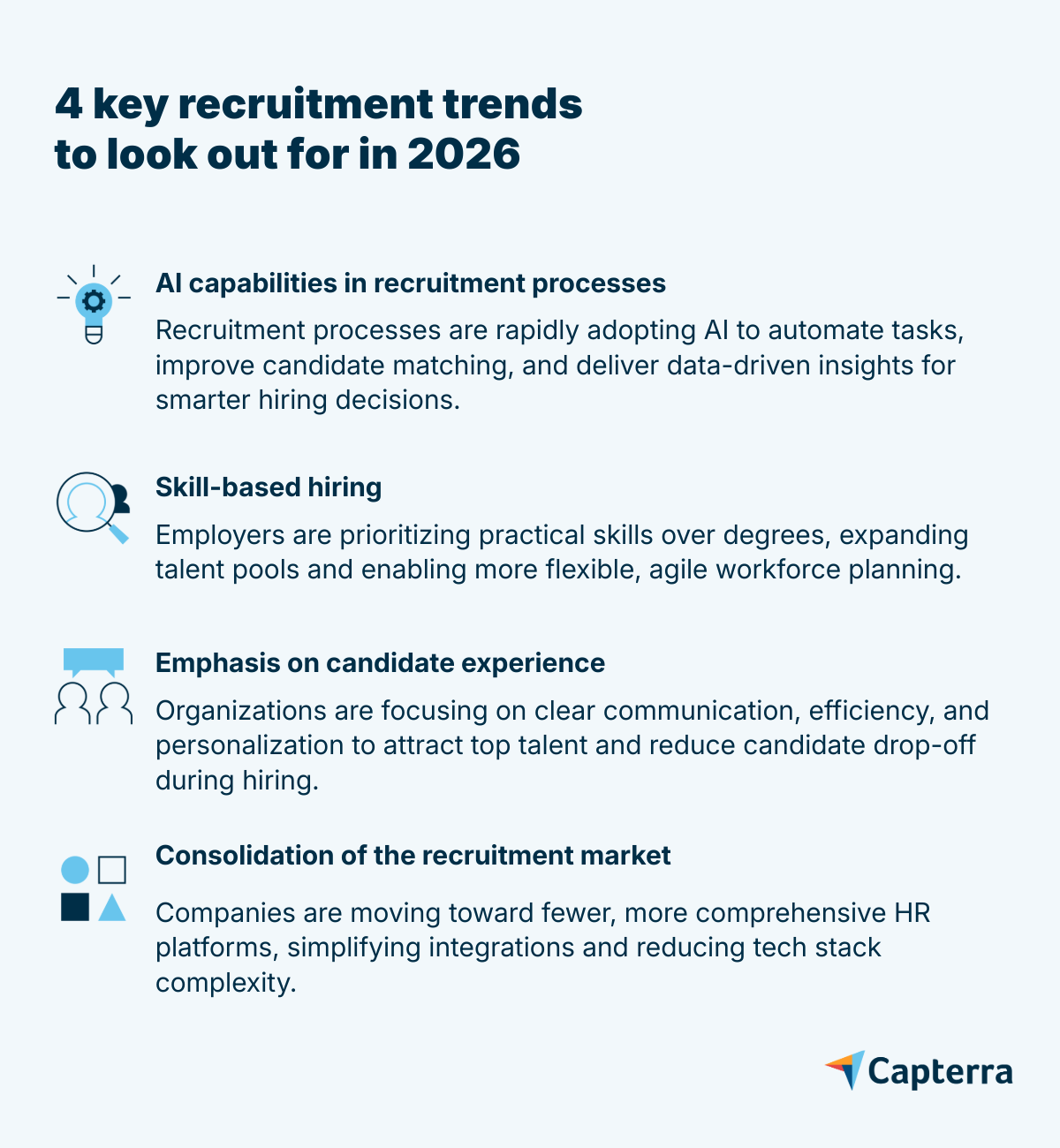

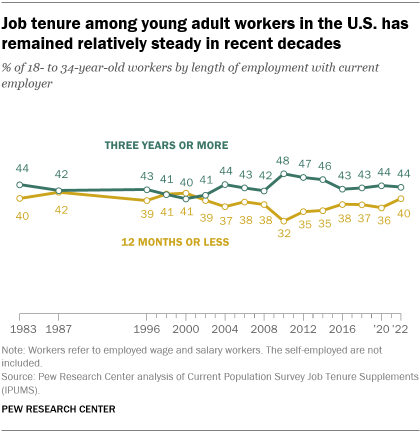
The Gen Z job hopping trend is forcing employers to confront uncomfortable changes.
Hiring teams now face:
• Shorter average tenures
• Higher onboarding costs
• Faster burnout cycles
• Difficulty planning long-term teams
Some companies adapt. Others double down on outdated expectations—and lose talent faster.
Why “Stay 3–5 Years” Advice No Longer Applies

Older career advice assumed:
• Stable companies
• Predictable promotions
• Linear growth
None of those are guaranteed now. The Gen Z job hopping trend exists because the environment that supported long tenures disappeared.
The Psychological Cost of Constant Switching
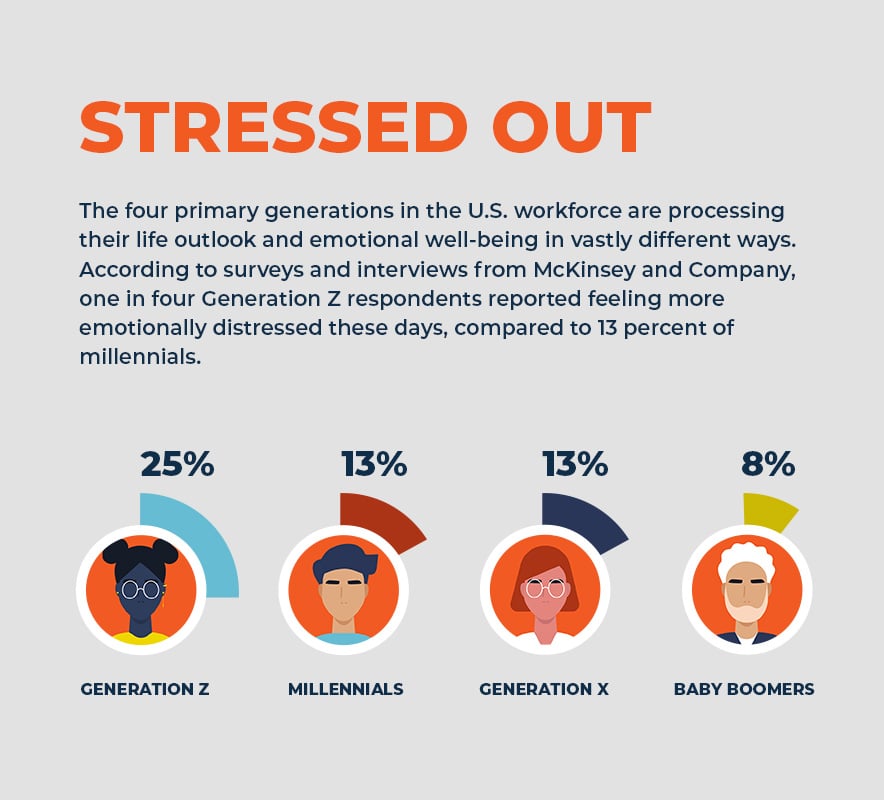
Job hopping isn’t painless.
Hidden costs include:
• Resume anxiety
• Imposter syndrome
• Loss of belonging
• Continuous restart fatigue
Gen Z isn’t carefree about switching. They’re exhausted—but strategic.
What Employers Must Change to Slow the Exodus
To slow the Gen Z job hopping trend, surface-level perks won’t work.
What actually matters:
• Transparent growth paths
• Real salary progression
• Skill-building opportunities
• Honest communication during downturns
Without these, hopping remains the smarter choice.
Conclusion
The Gen Z job hopping trend isn’t a rebellion—it’s a response. A generation raised amid layoffs, inflation, and broken promises learned early that loyalty without security is a liability.
Employers who understand this will adapt their systems. Those who don’t will keep asking the wrong question: “Why won’t they stay?”
The real question is: “Why should they?”
FAQs
Why is Gen Z switching jobs so frequently?
Because job security and growth are no longer guaranteed, making mobility the safest option.
Is job hopping bad for Gen Z careers long-term?
Not necessarily. Strategic moves often lead to faster skill and salary growth.
Are employers wrong to worry about retention?
No—but retention now requires structural change, not just cultural messaging.
Will this trend slow down in the future?
Only if job stability, trust, and progression return meaningfully.
Is Gen Z less loyal than previous generations?
They’re not less loyal—they’re more realistic.
Click here to know more.