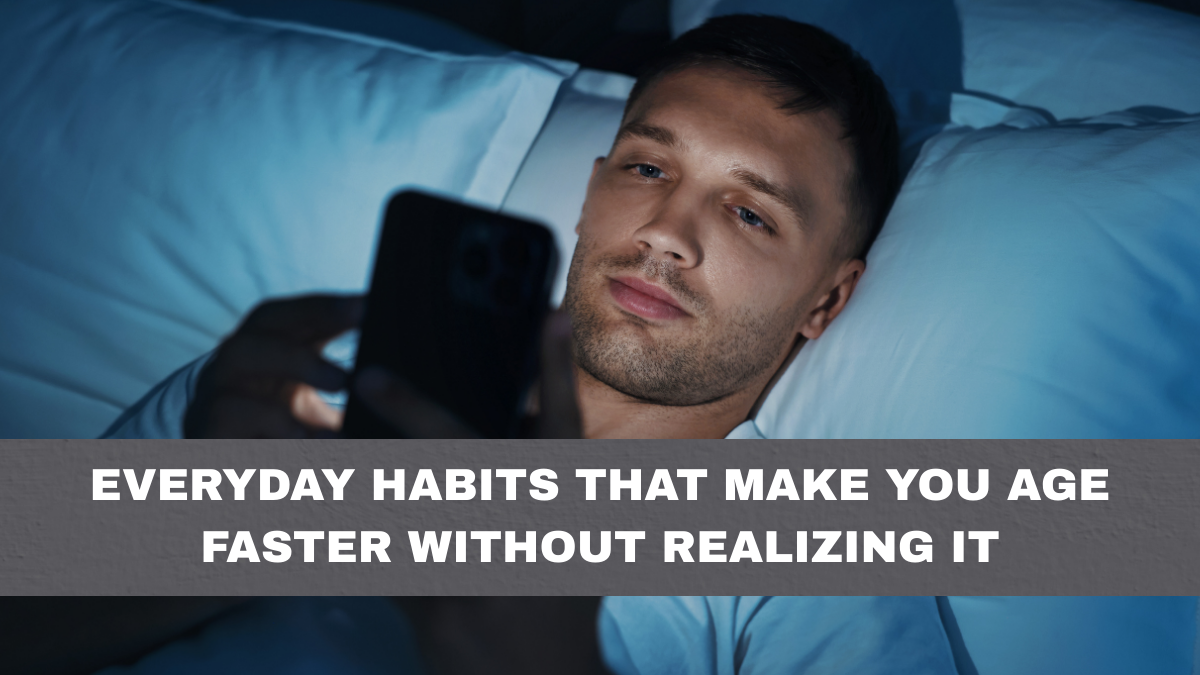
Aging is often blamed on genetics, but that explanation is comforting—and incomplete. Research consistently shows that habits that age you quietly influence how fast your body and mind wear down. These aren’t dramatic self-destructive behaviors. They’re ordinary routines people normalize, defend, and repeat daily without noticing the long-term cost.
What makes lifestyle aging signs hard to spot is that they don’t cause immediate damage. They work slowly, invisibly, and cumulatively. By the time the effects show up—fatigue, stiffness, dull skin, brain fog—the habits feel too ingrained to question.
Why Aging Is More Behavioral Than Genetic
Genes matter, but they don’t operate in isolation. Daily behaviors determine how genes express themselves over time. This means lifestyle choices often accelerate or slow aging more than DNA.
Aging accelerates when habits:
• Increase chronic inflammation
• Disrupt sleep and recovery
• Elevate stress hormones
• Reduce cellular repair
• Limit movement and circulation
These effects compound quietly, making aging feel sudden when it finally becomes visible.
Chronic Sleep Deprivation
Lack of sleep is one of the most powerful habits that age you. Sleep is when the body repairs tissue, clears brain waste, and resets hormonal balance.
Poor sleep leads to:
• Increased cortisol levels
• Reduced collagen production
• Impaired memory and focus
• Slower cellular repair
Even “almost enough” sleep can create long-term damage when repeated.
Sitting for Most of the Day
Extended sitting accelerates aging in ways exercise alone can’t fully reverse. Movement isn’t optional—it’s biological maintenance.
Prolonged sitting causes:
• Reduced circulation
• Joint stiffness
• Muscle loss
• Insulin resistance
This is one of the most overlooked lifestyle aging signs in modern work culture.
Constant Phone and Screen Use
Excessive screen time affects more than eyesight. It impacts posture, sleep rhythms, attention, and stress regulation.
Long-term effects include:
• Neck and spine compression
• Disrupted melatonin release
• Reduced attention span
• Elevated mental fatigue
Digital habits age both body and brain simultaneously.
High Stress Without Recovery
Stress itself isn’t the problem—unrecovered stress is. Constant low-grade stress keeps the nervous system in survival mode.
This leads to:
• Chronic inflammation
• Hormonal imbalance
• Faster cellular aging
• Emotional exhaustion
Many habits that age you hide inside productivity and ambition.
Ultra-Processed Food Dependence
Highly processed foods increase inflammation and reduce nutrient intake—even when calorie counts look “normal.”
Regular consumption causes:
• Blood sugar instability
• Gut microbiome imbalance
• Oxidative stress
• Skin aging
Food choices shape aging at the cellular level.
Avoiding Sunlight Completely
Sun avoidance is often framed as anti-aging, but total avoidance creates deficiencies that accelerate decline.
Lack of sunlight contributes to:
• Vitamin D deficiency
• Weakened immunity
• Mood disruption
• Bone density loss
Balance matters more than extremes.
Neglecting Strength and Mobility
Cardio alone isn’t enough. Strength and mobility preserve independence and metabolic health.
Neglect leads to:
• Muscle loss
• Joint deterioration
• Poor posture
• Slower metabolism
Loss of strength is one of the clearest lifestyle aging signs.
Multitasking as a Default Mode
Constant multitasking fragments attention and increases cognitive strain.
Long-term effects include:
• Mental fatigue
• Reduced memory formation
• Faster cognitive aging
The brain ages faster when it never rests deeply.
Emotional Suppression
Ignoring emotions doesn’t eliminate them—it stores stress in the body.
Suppression leads to:
• Increased stress hormones
• Weakened immune response
• Emotional numbness
Emotional habits influence physical aging more than people realize.
Why These Habits Feel Harmless
These habits persist because they’re normalized.
They:
• Don’t cause immediate pain
• Are socially rewarded
• Feel unavoidable
• Accumulate slowly
By the time results appear, people blame age instead of behavior.
How to Slow Aging Without Obsession
Slowing aging doesn’t require perfection. It requires awareness and consistency.
Small shifts that help:
• Prioritize sleep consistency
• Add daily movement breaks
• Reduce processed foods gradually
• Create tech-free windows
• Manage stress intentionally
Aging isn’t something to fight—it’s something to support.
Conclusion
The most damaging habits that age you are rarely dramatic. They’re quiet, normalized, and repeated daily without reflection. Lifestyle aging signs don’t appear overnight—they emerge after years of small choices adding up.
The good news is that habits can change. Aging may be inevitable, but accelerated aging is not. Awareness gives you leverage—long before damage becomes visible.
FAQs
Do habits really age you faster than genetics?
Yes. Lifestyle choices heavily influence how genes express and how fast aging occurs.
Which habit accelerates aging the most?
Chronic sleep deprivation is one of the strongest accelerators of aging.
Can changing habits reverse aging effects?
Some damage can be improved, and further aging can be slowed significantly.
Is stress worse than poor diet for aging?
Both matter. Chronic stress amplifies the aging effects of other habits.
When should you start caring about aging habits?
Earlier is better. Aging processes begin long before visible signs appear.
Click here to know more.