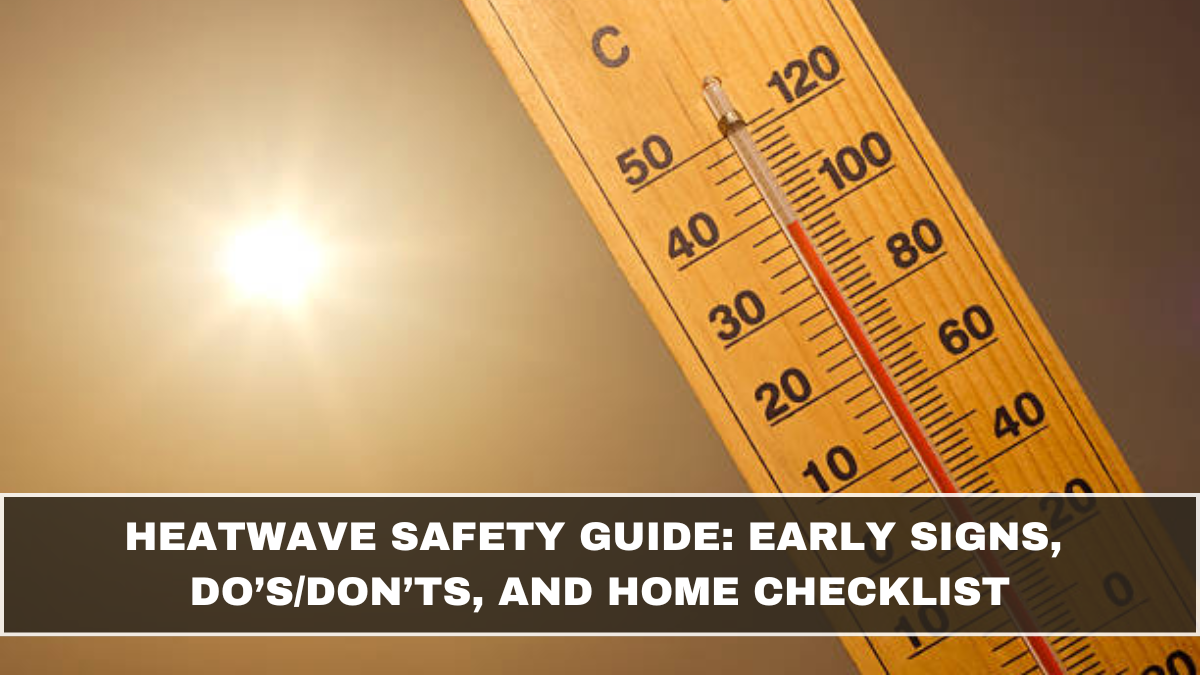
Heatwaves in India during peak summer months can cause serious health risks if preventive steps are ignored. When temperatures remain unusually high for consecutive days, the body struggles to regulate internal temperature, increasing the chances of dehydration and heat-related illness.
Recognizing early warning signs and following simple safety measures can significantly reduce risk. This guide explains symptoms, precautions for vulnerable groups, and a practical home checklist for managing extreme heat conditions.
Early Signs of Heat Exhaustion and Heat Stroke
Heat-related illness usually begins with mild symptoms and can worsen quickly if ignored. Heat exhaustion often causes excessive sweating, weakness, dizziness, headache, nausea, and muscle cramps. The skin may feel cool and moist despite high temperatures.
If not treated promptly, heat exhaustion can progress to heat stroke, which is a medical emergency. Heat stroke symptoms include very high body temperature, confusion, dry or hot skin, rapid pulse, and possible loss of consciousness.
Immediate medical attention is required if heat stroke is suspected.
Hydration Rules That Actually Work
Staying hydrated is the most effective way to prevent heat-related illness. Drinking water regularly throughout the day, even before feeling thirsty, helps maintain body temperature balance.
Oral rehydration solutions, coconut water, and fluids with electrolytes can support hydration during prolonged heat exposure. Avoiding excessive caffeine and alcohol is important because they can increase fluid loss.
Carrying water during travel and outdoor activities reduces risk during peak summer hours.
Safety Precautions for Children and Seniors
Children and elderly individuals are more vulnerable to extreme heat because their bodies regulate temperature less efficiently. Ensuring they stay indoors during peak afternoon hours helps reduce exposure.
Light cotton clothing, frequent fluid intake, and shaded environments are essential. Caregivers should monitor for signs of fatigue, irritability, or unusual weakness.
Rooms should remain well-ventilated, and cooling devices should be used safely to maintain comfortable indoor conditions.
Outdoor Work and Travel Safety Tips
People who work outdoors are at higher risk during heatwave conditions. Adjusting work schedules to avoid peak heat hours can reduce health risks.
Taking frequent breaks in shaded areas, wearing protective clothing, and using head coverings help limit direct sun exposure. Employers and workers should follow local heat advisories and prioritize rest and hydration.
Travelers should avoid long exposure to direct sunlight and ensure access to drinking water at all times.
Home Heatwave Checklist
Preparing the home environment plays a major role in heat safety. Keeping curtains closed during peak sun hours reduces indoor heat gain. Using fans or air conditioning responsibly helps regulate room temperature.
Storing adequate drinking water and maintaining backup power options can be useful during extended heat periods. Checking on neighbors, especially elderly individuals living alone, strengthens community safety.
Regularly monitoring weather alerts allows families to stay informed about rising temperature conditions.
What Not to Do During a Heatwave
Avoid stepping out during the hottest part of the day unless absolutely necessary. Wearing dark, heavy clothing increases heat absorption and should be avoided.
Leaving children or pets inside parked vehicles is extremely dangerous, even for short durations. Ignoring early symptoms of heat exhaustion can lead to serious health complications.
Being proactive rather than reactive is the key to managing heatwave risks effectively.
Conclusion
Heatwaves pose significant health risks, particularly during India’s peak summer months. Recognizing early symptoms of heat exhaustion and heat stroke, maintaining proper hydration, protecting vulnerable individuals, and preparing the home environment can reduce dangers associated with extreme heat. Staying informed through official weather advisories and acting promptly at the first signs of illness ensures better safety during prolonged high-temperature conditions.
FAQs
What are the first signs of heat exhaustion?
Common early signs include heavy sweating, dizziness, weakness, nausea, headache, and muscle cramps.
How much water should be consumed during a heatwave?
Regular water intake throughout the day is recommended, even before feeling thirsty, to prevent dehydration.
Who is most at risk during a heatwave?
Children, elderly individuals, outdoor workers, and people with existing health conditions are more vulnerable.
What is the difference between heat exhaustion and heat stroke?
Heat exhaustion involves milder symptoms, while heat stroke is a severe medical emergency with very high body temperature and confusion.
Where can heatwave updates be checked?
Official updates are provided by national and regional weather authorities through advisories and alerts.