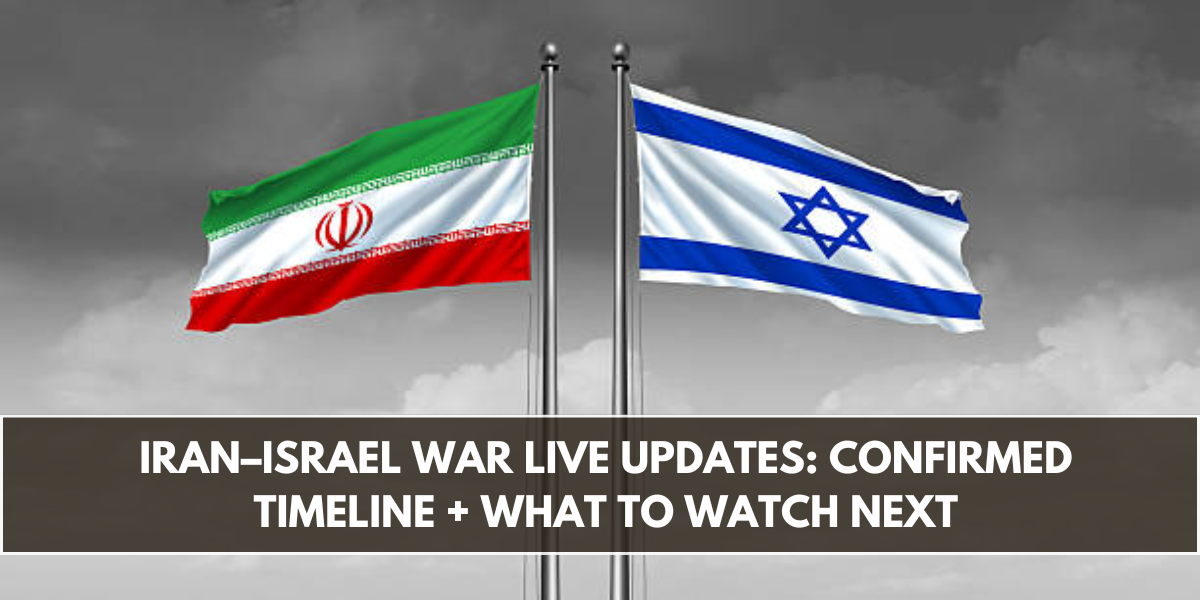
The Iran–Israel conflict has become one of the most closely monitored geopolitical developments in recent years. Tensions between the two countries have existed for decades, but recent military activity, diplomatic reactions, and regional security concerns have pushed the situation back into global headlines. Governments, analysts, and financial markets are closely watching developments because escalation between these countries could affect the wider Middle East.
The conflict also draws attention because the region contains key global energy routes and important international alliances. Any change in the security environment can influence oil markets, international trade, and diplomatic relations between major global powers. As a result, many readers are searching for clear timelines of confirmed events rather than relying on fragmented updates from social media.
Confirmed Timeline of Recent Developments
Understanding the timeline of events helps clarify how the situation has evolved. Verified reporting from international news agencies usually focuses on confirmed statements from governments, military officials, and diplomatic sources.
| Date / Phase | Confirmed Development | Source Type |
|---|---|---|
| Initial escalation | Reports of military activity between regional forces | International media |
| Diplomatic responses | Governments issued official statements regarding security concerns | Government statements |
| Regional alerts | Airspace monitoring and security advisories issued | Aviation authorities |
| Global reactions | International organizations urged restraint | Diplomatic channels |
Because events in conflict situations can develop rapidly, timelines often continue evolving as new information becomes verified.
What Has Been Officially Confirmed
Confirmed information typically comes from government announcements, defence briefings, or verified international media reports. These sources help establish the factual foundation of what has happened rather than relying on speculation.
Authorities often confirm military actions, security alerts, or diplomatic responses through official communication channels. These updates help journalists and analysts build a clearer picture of how the conflict is developing and what actions governments are taking in response.
What Remains Unverified
During periods of geopolitical tension, social media and unofficial sources often circulate claims that are difficult to verify immediately. These may include unconfirmed reports about military damage, casualty figures, or strategic developments that have not yet been acknowledged by official sources.
| Type of Report | Status | Why Verification Takes Time |
|---|---|---|
| Casualty numbers | Often unverified initially | Requires confirmation from authorities |
| Military equipment damage | Unconfirmed | Independent verification needed |
| Future military plans | Speculation | Governments rarely reveal strategy |
| Diplomatic negotiations | Limited details | Talks often happen privately |
Waiting for reliable confirmation helps ensure that public understanding of the situation is based on accurate information rather than rumors.
How the Conflict Could Affect Global Markets
Geopolitical tensions in the Middle East frequently influence financial markets because the region is closely tied to global energy supply chains. Investors often react quickly to signs of instability by adjusting positions in commodities, currencies, and defence-related sectors.
| Market Area | Possible Impact |
|---|---|
| Oil prices | Increased volatility |
| Defence stocks | Rising investor interest |
| Global shipping | Route adjustments |
| Currency markets | Short-term fluctuations |
These market reactions do not always reflect long-term outcomes but often show how sensitive global markets are to geopolitical developments.
What Analysts Are Watching Next
Experts studying the situation usually focus on several indicators that could signal either escalation or de-escalation. Military movement, diplomatic communication, and international mediation efforts are key signals analysts track when assessing the direction of the conflict.
Regional alliances and responses from major global powers also influence how the situation evolves. When international organizations or governments call for restraint or begin diplomatic discussions, it can signal attempts to prevent further escalation.
Why Accurate Information Matters
In fast-moving international situations, misinformation can spread quickly through social media channels. This makes it essential for readers to rely on verified reporting from trusted news organizations and official government statements. Accurate information helps prevent confusion and allows people to understand developments without unnecessary speculation.
Clear timelines and verified updates also help businesses, travelers, and policymakers respond appropriately to changing circumstances in the region.
Conclusion
The Iran–Israel conflict continues to attract global attention because of its potential impact on regional stability and international markets. Confirmed updates show how the situation has developed so far, while many claims circulating online remain unverified until official sources confirm them.
For readers following the situation, focusing on verified timelines and credible reporting provides the clearest understanding of events. As diplomatic and military developments continue to unfold, analysts and governments around the world will keep monitoring the situation closely.
FAQs
Why is the Iran–Israel conflict trending globally?
Recent military developments and diplomatic responses have brought renewed global attention to tensions between the two countries.
Is there an official declaration of war?
The situation involves ongoing tensions and military incidents, but official declarations depend on government statements and international legal definitions.
Why do global markets react to Middle East tensions?
The region plays a major role in global energy supply and trade routes, which means instability can influence oil prices and financial markets.
How can readers follow reliable updates?
Following verified international news organizations and official government announcements is the most reliable way to stay informed.
Could the conflict escalate further?
Analysts monitor military activity, diplomatic discussions, and international responses to assess whether tensions are increasing or moving toward de-escalation.