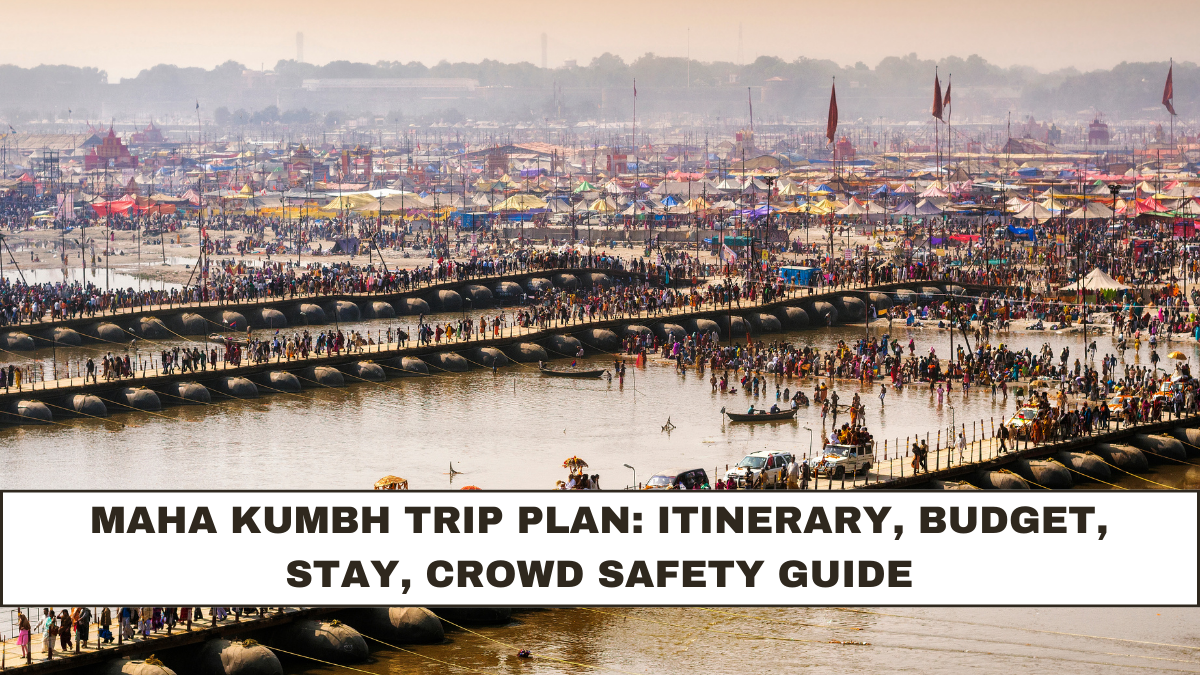
The Maha Kumbh 2026 itinerary is one of the most searched pilgrimage travel topics as millions of devotees prepare for the world’s largest spiritual gathering. With massive crowds, long travel routes, temporary cities, and high demand for accommodation, planning ahead becomes essential. A well-structured travel plan helps pilgrims experience the spiritual energy of Maha Kumbh smoothly while avoiding chaos, confusion, and unnecessary expenses.
This guide explains the complete Maha Kumbh 2026 itinerary, covering travel planning, budget estimation, stay options, safety measures, and crowd management tips so that pilgrims can plan their journey with clarity and confidence.
Understanding the Maha Kumbh 2026 Travel Structure
The Maha Kumbh 2026 itinerary revolves around ritual bathing days, temple visits, akharas, and spiritual events. Unlike normal trips, this pilgrimage requires extra preparation due to scale and movement control. Authorities usually divide the area into sectors, temporary zones, and ghats to manage crowds.
Pilgrims typically follow a structured travel plan that includes arrival, holy dip schedules, rest days, temple visits, and return travel. Knowing this structure early helps reduce stress during peak days.
Key elements that define the Maha Kumbh 2026 itinerary include:
• Entry and exit routes
• Sector-based accommodation zones
• Shahi Snan or main bathing days
• Crowd-controlled movement corridors
• Emergency and medical zones
Understanding these basics makes the entire pilgrimage smoother and safer.
Ideal Travel Plan for Maha Kumbh 2026
A proper travel plan for the Maha Kumbh 2026 itinerary usually spans 3 to 5 days depending on personal comfort and religious goals. Pilgrims arriving early avoid last-minute congestion and get better access to facilities.
A commonly followed travel plan includes:
Day 1
Arrival at the nearest railway station or airport, transfer to the allotted stay zone, rest, and orientation walk.
Day 2
Early morning holy dip at designated ghats, temple visits, spiritual discourses, and exploration of akharas.
Day 3
Second ritual bath if desired, local sightseeing, community meals, and departure preparation.
Longer stays allow flexibility and reduce fatigue, especially for senior citizens.
Budget Planning for Maha Kumbh Trip
Budget planning is an important part of the Maha Kumbh 2026 itinerary. Costs vary depending on travel distance, accommodation type, and duration of stay. With proper planning, the pilgrimage can be completed economically.
Typical budget components include:
• Travel costs (train, bus, or flight)
• Accommodation charges
• Food and daily expenses
• Local transport
• Emergency buffer
Approximate budget ranges:
• Budget travelers: low-cost dharamshalas and public transport
• Mid-range travelers: tent cities or budget hotels
• Comfortable travel: premium camps or private lodges
Early bookings and government-approved facilities help control expenses and avoid last-minute price hikes.
Stay Options During Maha Kumbh
Choosing the right stay is central to the Maha Kumbh 2026 itinerary. Authorities and private operators set up large-scale accommodations to handle the massive crowd.
Popular stay options include:
• Government-arranged tent colonies
• Akhara-managed dharamshalas
• Budget guesthouses
• Premium tent cities
• Nearby hotels in surrounding areas
Each option has different levels of comfort and pricing. Many pilgrims prefer staying close to bathing ghats to minimize travel time. However, quieter zones farther away are suitable for elderly pilgrims.
Booking early ensures better availability and safer locations.
Crowd Guide and Movement Planning
Crowd control is one of the most critical aspects of the Maha Kumbh 2026 itinerary. With millions attending on auspicious days, understanding crowd movement patterns can significantly improve safety.
Helpful crowd management tips include:
• Follow official entry and exit routes
• Avoid peak hours when possible
• Travel in small groups
• Follow volunteer and police instructions
• Avoid pushing or shortcuts
• Stay hydrated and rested
Authorities use barricading, route segregation, and digital announcements to guide pilgrims safely. Being patient and alert plays a key role in a smooth experience.
Safety Tips for Maha Kumbh Pilgrims
Safety is a major concern when planning the Maha Kumbh 2026 itinerary. The scale of the event requires extra awareness, especially for families, seniors, and solo travelers.
Important safety tips include:
• Carry ID and emergency contact details
• Keep valuables minimal
• Use waterproof pouches
• Wear comfortable footwear
• Stick to marked bathing areas
• Avoid overcrowded shortcuts
• Follow official alerts and announcements
Medical camps, ambulances, and help desks are available throughout the area, but personal caution is essential.
Packing Checklist for Maha Kumbh Travel
Packing wisely makes a big difference during the pilgrimage. The Maha Kumbh 2026 itinerary involves walking, waiting, and long outdoor hours.
Essential items include:
• Comfortable clothing
• Shawl or light jacket
• Personal medicines
• Reusable water bottle
• Power bank
• Torch or small flashlight
• Toiletries
• Copies of ID
• Cash in small denominations
Packing light while carrying essentials ensures better mobility and comfort.
Best Time to Visit During Maha Kumbh
Choosing the right dates is crucial when following the Maha Kumbh 2026 itinerary. Main bathing days attract massive crowds, while non-peak days are calmer.
Those seeking spiritual atmosphere with manageable crowds may choose days before or after major snan dates. Elderly visitors often prefer quieter periods for ease of movement.
Checking official schedules and government advisories before finalizing travel dates is strongly recommended.
Why Planning Matters for Maha Kumbh 2026
A well-organized Maha Kumbh 2026 itinerary ensures safety, comfort, and a meaningful spiritual experience. With massive participation expected, structured planning helps pilgrims avoid confusion and overcrowding while focusing on devotion and reflection.
From travel planning and budgeting to stay selection and safety preparation, every detail contributes to a smooth journey. Being informed transforms the pilgrimage into a peaceful and memorable experience.
Conclusion
The Maha Kumbh 2026 itinerary requires thoughtful planning due to its massive scale and spiritual importance. With the right travel plan, budget awareness, safe accommodation, and crowd management strategies, pilgrims can experience the event with confidence and calm. Proper preparation ensures that the journey remains focused on devotion, discipline, and spiritual fulfillment rather than logistical challenges.
FAQs
What is the ideal duration for a Maha Kumbh trip?
A 3 to 5 day plan is ideal to cover bathing rituals, temple visits, and rest comfortably.
Is advance booking necessary for Maha Kumbh 2026?
Yes, booking accommodation and transport early helps avoid last-minute issues and higher costs.
How can I manage crowds during Maha Kumbh?
Follow official routes, avoid peak hours, travel light, and stay alert in crowded areas.
Are there budget-friendly stay options available?
Yes, dharamshalas, government tents, and shared accommodations offer affordable options.
Is Maha Kumbh safe for senior citizens?
Yes, with proper planning, medical support, and non-peak travel days, it can be managed safely.