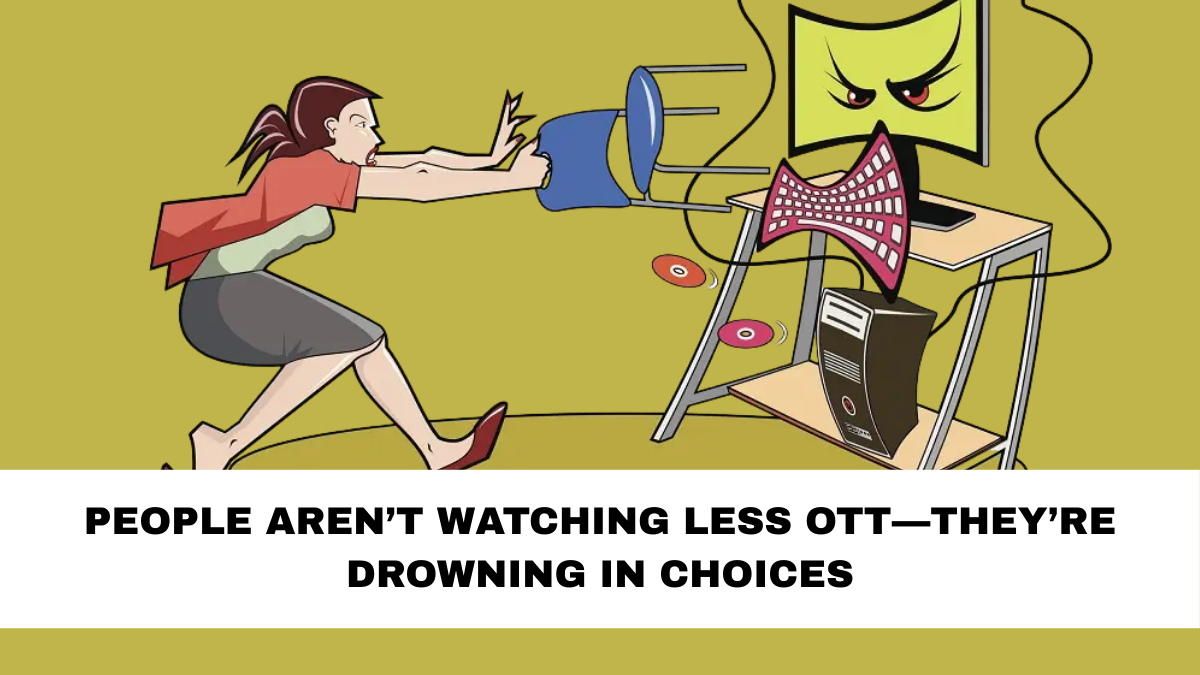
The narrative that people are “losing interest” in streaming is lazy and wrong. In 2026, viewing time hasn’t collapsed—decision-making has. OTT content overload has turned entertainment into a cognitive chore. Viewers don’t lack options; they lack clarity. Endless carousels, overlapping catalogs, and constant “new” badges have created streaming choice paralysis that exhausts people before they press play.
What looks like declining engagement is actually decision fatigue. And platforms are quietly paying the price.
Why OTT Content Overload Is Worse in 2026
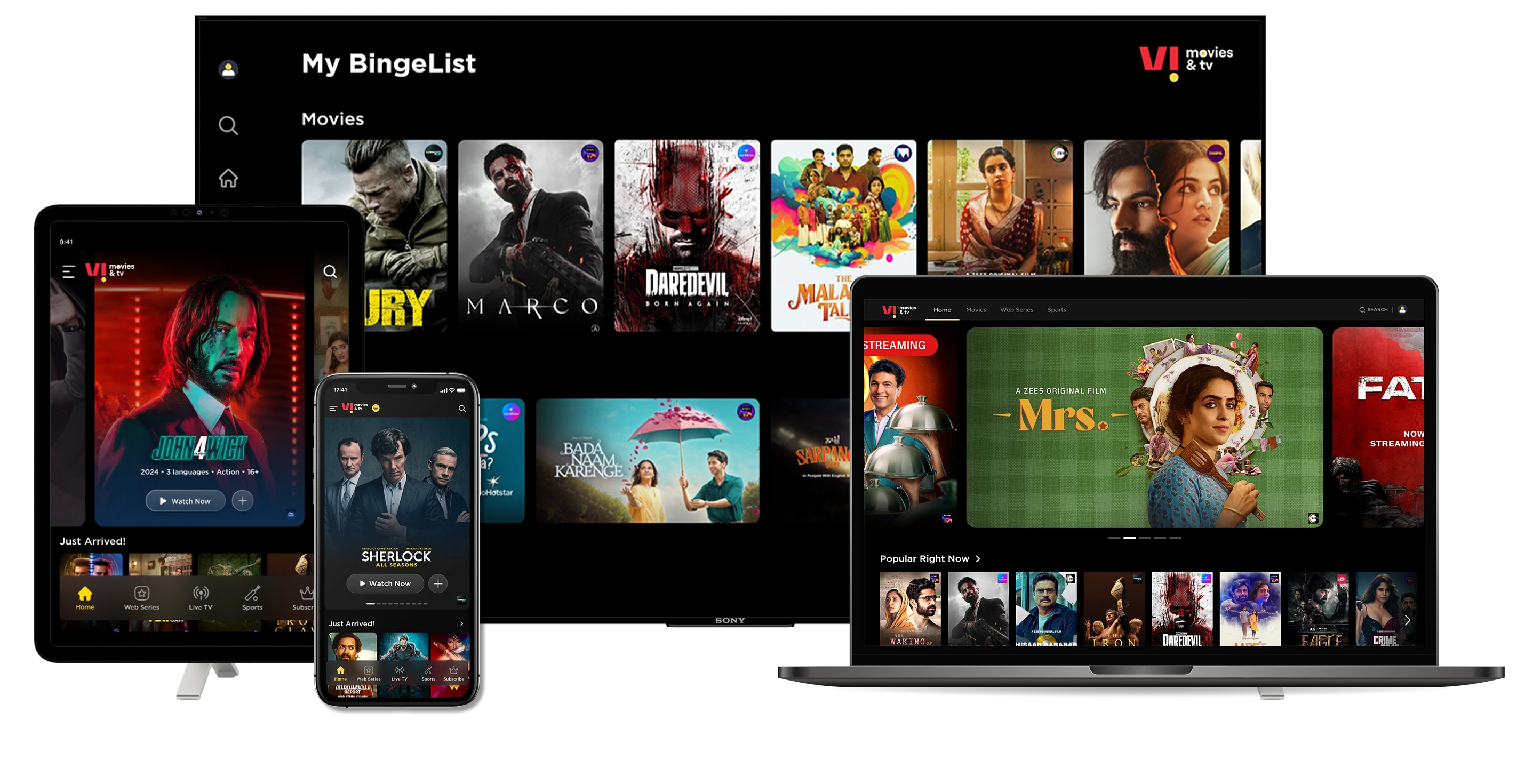
Drivers behind OTT content overload:
• Fragmentation across platforms
• Weekly drops replacing binge clarity
• Algorithmic promotion of “everything”
• Regional + global catalogs stacking together
More content didn’t equal better discovery. It diluted it.
How Streaming Choice Paralysis Actually Works
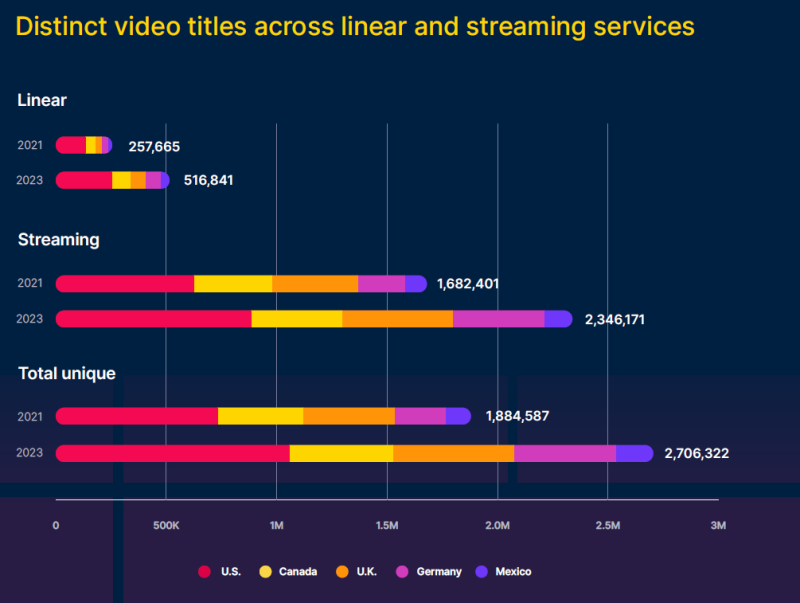
Choice paralysis isn’t indecision—it’s avoidance. When options feel infinite, the brain postpones.
Common behaviors now:
• Scrolling for 20 minutes, then quitting
• Rewatching familiar shows instead of trying new ones
• Saving to watchlists that never get opened
• Defaulting to short-form video instead
OTT content overload pushes viewers away not because content is bad—but because choosing is hard.
Why Algorithms Aren’t Solving the Problem
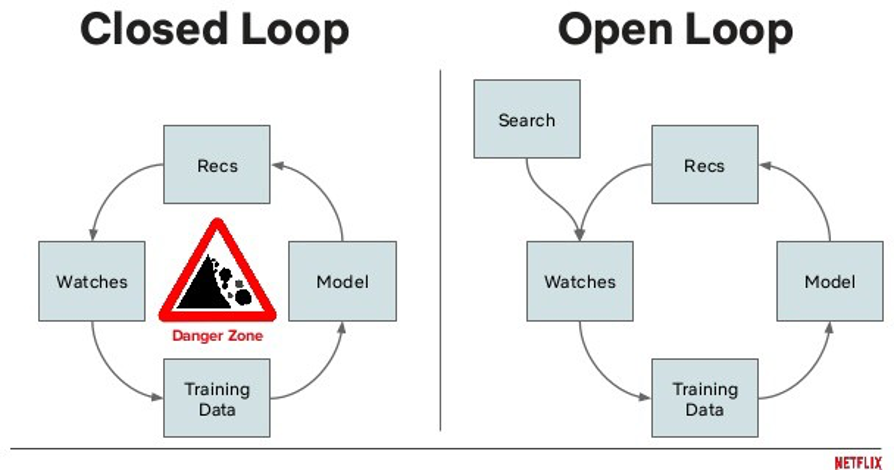
Why recommendations fail:
• Algorithms optimize engagement, not satisfaction
• New releases crowd out older quality titles
• Thumbnails rotate without context
• Trends override taste
When everything is “for you,” nothing feels chosen with you.
The Hidden Cost to Viewers
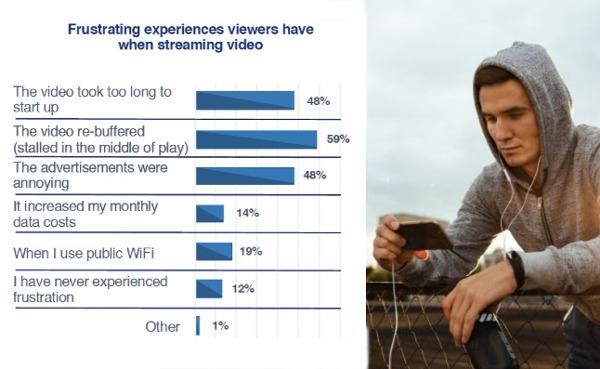
Viewers report:
• Frustration before entertainment even begins
• Feeling behind on “must-watch” culture
• Guilt over unused subscriptions
• Reduced enjoyment once they finally start
OTT content overload turns leisure into low-grade stress.
How Platforms Are Making It Worse
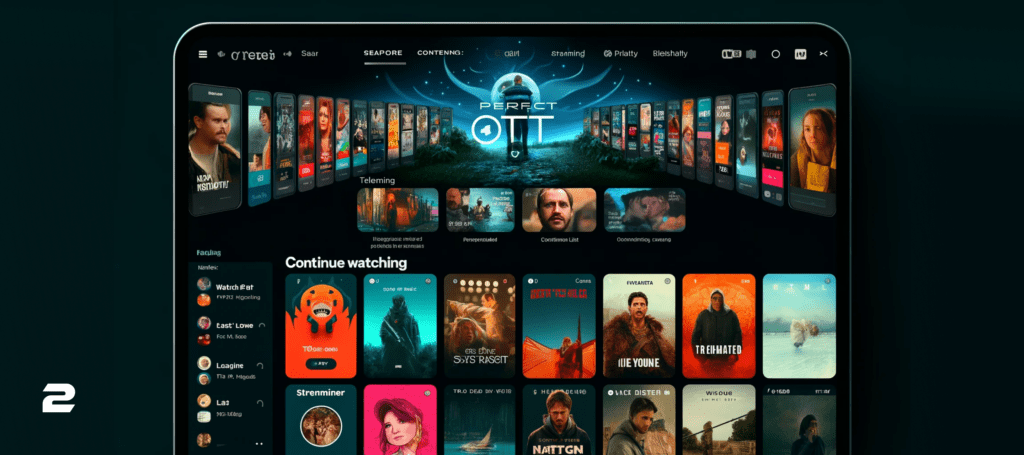
Platform design choices amplify overload.
Common issues:
• Auto-playing trailers hijacking attention
• Multiple “Top 10” lists with no explanation
• Endless horizontal rows without prioritization
• Frequent UI changes breaking familiarity
Instead of curating, platforms broadcast.
Why Viewers Aren’t Cancelling—Yet
Reasons people keep subscriptions:
• Fear of missing future releases
• Shared family accounts
• Bundles masking true cost
• Occasional standout content
But patience is thinning. OTT content overload is eroding perceived value.
What Viewers Are Doing to Cope
New coping strategies:
• Relying on friend recommendations
• Limiting to one platform per month
• Ignoring “new” and seeking finished series
• Using external lists and communities
Curation is moving outside platforms.
Why Less Content Could Actually Win
What would help:
• Editorial curation over algorithm sprawl
• Clear “watch this now” guidance
• Slower release cadence
• Fewer, better-promoted originals
Solving OTT content overload requires subtraction, not addition.
Conclusion
People aren’t watching less OTT—they’re watching less decisively. OTT content overload has turned abundance into friction, and friction kills joy. Until platforms prioritize clarity over catalogs, viewers will keep scrolling, saving, and quitting without watching.
The next streaming advantage won’t be more shows. It will be fewer choices—presented with confidence.
FAQs
What is OTT content overload?
It’s the overwhelm caused by too many streaming options, making it hard to choose what to watch.
Are people actually watching less streaming content?
Not significantly. They’re spending more time deciding—and less time enjoying.
Why don’t algorithms fix discovery?
Because they optimize engagement signals, not decision simplicity.
Why do people keep subscriptions despite frustration?
Inertia, bundles, and fear of missing out keep cancellations low—for now.
What would improve the streaming experience most?
Stronger curation, fewer choices, and clearer recommendations.