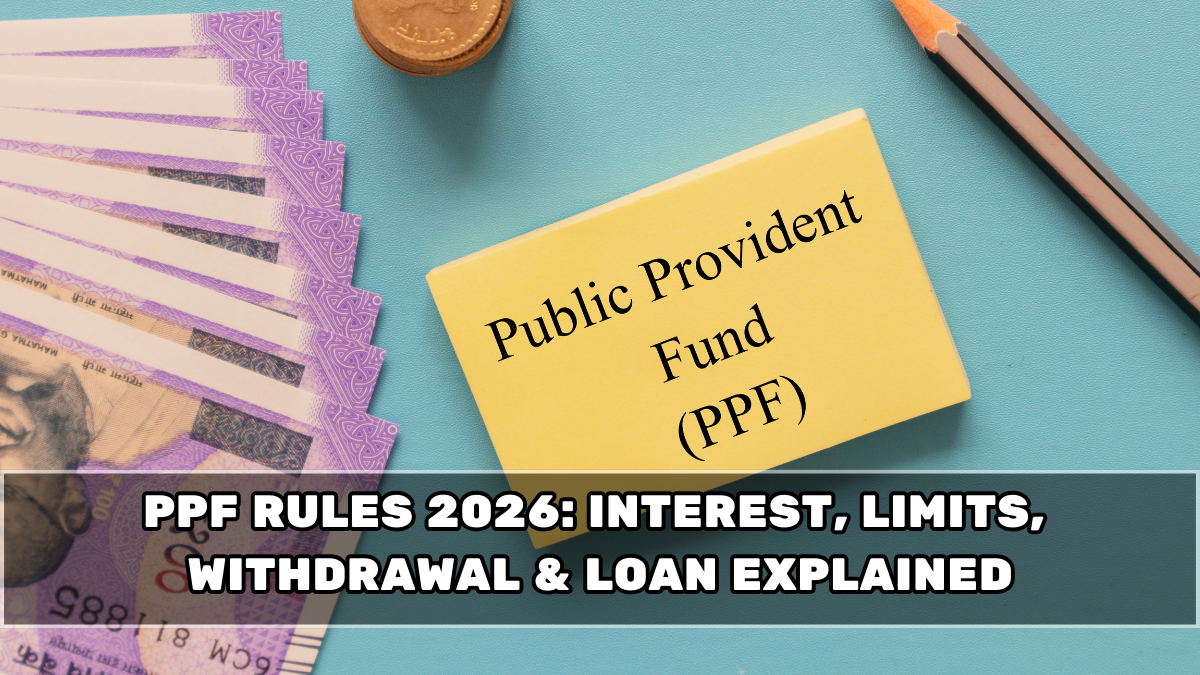
Public Provident Fund has survived every market cycle for one reason—it rewards patience without drama. The ppf interest and rules 2026 haven’t been radically changed, but many small misunderstandings still cost people returns, liquidity, or flexibility. Most PPF mistakes aren’t about choosing the scheme—they’re about using it incorrectly.
If you treat PPF like a fixed deposit, you’ll underuse it. If you treat it like an equity investment, you’ll get frustrated. This guide explains PPF exactly for what it is in 2026: a long-term, tax-efficient, low-risk wealth anchor.
What Is PPF and Why It Still Matters in 2026
PPF is a government-backed savings scheme designed for long-term capital protection and tax efficiency.
Why it remains relevant:
• Sovereign-backed safety
• Tax-free maturity
• Predictable compounding
• Long-term discipline
The ppf interest and rules 2026 continue to favour people who plan early and stay consistent.
PPF Interest Rate: How It Works
PPF interest is announced periodically and compounds annually.
Important points:
• Interest is calculated monthly
• Credited once a year
• Based on lowest balance between 5th and month-end
Depositing after the 5th reduces interest for that month—one of the most ignored rules.
Contribution Limit in PPF (2026 Rules)
The annual contribution structure remains unchanged—but misuse is common.
Key limits:
• Minimum contribution required yearly
• Maximum annual cap applies per person
• Contributions can be split across months
Exceeding limits doesn’t earn interest and creates compliance issues.
Best Time to Deposit for Maximum Interest
Timing affects returns more than amount distribution.
Smart approach:
• Deposit before the 5th of the month
• Prefer lump sum early in the financial year
• Avoid late-month deposits
This single habit significantly improves long-term outcomes under ppf interest and rules 2026.
Withdrawal Rules Explained Simply
PPF is not liquid—and that’s intentional.
Withdrawal structure:
• Partial withdrawals allowed after lock-in period
• Amount linked to account balance history
• Annual withdrawal limits apply
PPF allows access—but only without compromising long-term intent.
Loan on PPF: When and How It Helps
PPF loans are underused but powerful.
Loan basics:
• Available only during a specific window
• Interest rate lower than market loans
• Repaid to your own account
A loan on PPF is often cheaper than personal loans—but timing matters.
PPF Maturity and Extension Options
Maturity doesn’t mean exit is compulsory.
After maturity, you can:
• Withdraw full amount
• Extend with fresh contributions
• Extend without contributions
Each option serves a different financial goal.
Tax Benefits Under PPF
Tax efficiency is PPF’s strongest feature.
Tax advantages:
• Contributions eligible for deduction
• Interest earned is tax-free
• Maturity amount is tax-free
Few instruments match this combination even in 2026.
Common PPF Mistakes People Still Make
These errors quietly reduce benefits.
Avoid:
• Depositing after the 5th
• Forgetting minimum yearly contribution
• Misunderstanding withdrawal rules
• Treating PPF as emergency fund
PPF rewards discipline—not convenience.
Who Should Prioritise PPF in 2026
PPF is ideal if:
• You want tax-free stability
• You’re planning long-term goals
• You dislike market volatility
• You already invest elsewhere for growth
It complements risk assets—it doesn’t replace them.
Conclusion
The ppf interest and rules 2026 are simple—but unforgiving if ignored. Those who understand deposit timing, limits, and withdrawal structure quietly build a strong, tax-free corpus. Those who treat it casually leave money on the table.
PPF doesn’t shout. It compounds.
FAQs
Is PPF interest taxable in 2026?
No. Interest earned is fully tax-free.
What is the maximum PPF contribution limit?
There is an annual cap per individual.
Can I withdraw money early from PPF?
Partial withdrawals are allowed after the specified lock-in period.
Is loan on PPF a good idea?
Yes, if used during the allowed window and repaid on time.
Should I extend my PPF account after maturity?
Yes, if you want continued tax-free compounding.