The Indian rail fare hike 2026 is no longer a rumor—it’s a reality that quietly reshapes everyday travel costs. For daily commuters, monthly pass holders, and families planning regular intercity trips, even small per-kilometre increases compound fast. The challenge isn’t just paying more; it’s understanding where the increase hits hardest and how to adjust a travel budget without sacrificing necessary trips.
This guide breaks down the impact clearly—by train type, class, and travel pattern—so you can plan, not panic.
Why Rail Fares Are Increasing in 2026
Railways face rising operational costs that can’t be absorbed indefinitely. The Indian rail fare hike 2026 reflects pressure from:
-
Energy and fuel costs
-
Maintenance and safety upgrades
-
Modernization of rolling stock
-
Capacity expansion on busy corridors
Rather than a single sharp jump, the changes are layered across services—some obvious, others subtle.
Which Trains Are Affected the Most
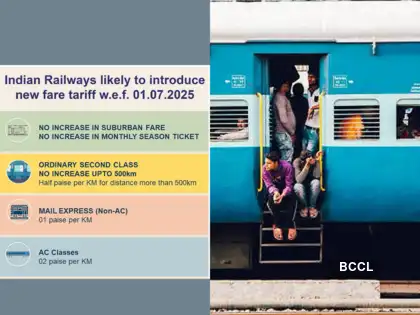
Not all services feel the hike equally. The biggest changes typically show up in:
-
Mail and express trains with long routes
-
Popular intercity services
-
Premium services during peak demand
Passenger and suburban services may see softer adjustments, but frequent long-distance travelers feel the impact sooner.
AC vs Non-AC: Where the Budget Shifts
The difference between AC non-AC fares becomes more pronounced after the hike.
What changes in practice:
-
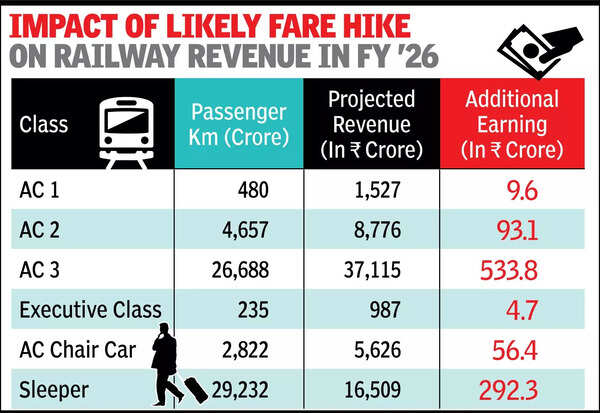
AC classes see higher absolute increases
-
Non-AC fares rise modestly but add up for frequent travel
-
Reservation and ancillary charges amplify the final bill
For families and group travel, choosing class strategically matters more than before.
How the Fare Hike Hits Monthly Travel Budgets
A small per-trip increase becomes significant over a month.
Common scenarios:
-
Daily office commute on express services
-
Weekly intercity trips
-
Monthly hometown visits
When you total tickets, reservations, and last-mile travel, the Indian rail fare hike 2026 can add a noticeable percentage to monthly expenses.
Estimating Your Real Cost Increase
Don’t rely on headline percentages. Do a route-level calculation.
Steps:
-
List your most-used routes
-
Note train type and class
-
Multiply by monthly frequency
-
Add reservation and service charges
This gives a realistic travel budget delta—not a vague estimate.
Smart Ways to Offset Higher Rail Fares
You can’t control fares, but you can control strategy.
Practical adjustments:
-
Book earlier to avoid premium options
-
Compare classes instead of defaulting to AC
-
Use alternative trains with similar timings
-
Club trips to reduce frequency
Small optimizations soften the blow.
Are Concessions and Passes Affected?
Concessions don’t always move in lockstep with base fares, but their value changes.
What to watch:
-
Monthly and quarterly passes
-
Student or senior concessions
-
Route-specific discounts
Reviewing pass economics after the Indian rail fare hike 2026 is essential—what made sense last year may not now.
Why Short Trips Feel the Hike More
Short-distance travelers notice increases more acutely because:
-
Fixed charges form a bigger share of the ticket
-
Savings per kilometre are lower
-
Alternatives (bus, metro) are often available
That makes mode-switching a real option for some routes.
Planning Travel Around Peak Pricing
Peak times amplify fare pain.
Tips:
-
Avoid peak-day departures where possible
-
Travel midweek for non-urgent trips
-
Monitor route demand patterns
Timing flexibility can protect your travel budget more than class changes.
Conclusion
The Indian rail fare hike 2026 isn’t about one expensive journey—it’s about cumulative impact. Understanding how mail express trains, AC non-AC choices, and travel frequency interact helps you adapt without stress. With realistic budgeting and smarter booking habits, you can absorb the increase without letting it derail your finances.
FAQs
Why are rail fares increasing in 2026?
Rising operational costs, maintenance, and modernization needs are driving the increase.
Which travelers are most affected?
Frequent intercity travelers and AC class users feel the impact the most.
Are mail and express trains affected more than others?
Yes, long-distance and high-demand services typically see higher adjustments.
How can I reduce the impact on my travel budget?
Plan bookings early, compare classes, and reduce peak-time travel.
Do concessions still apply after the hike?
Yes, but their effective savings should be reviewed against new base fares.