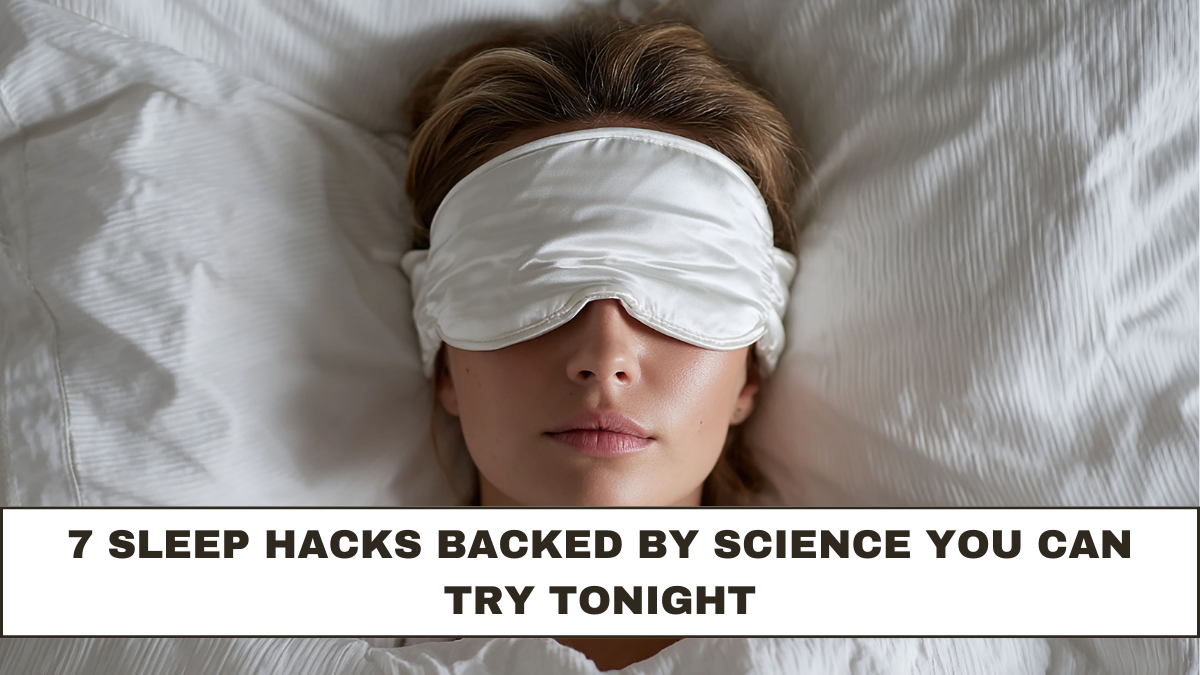
Quality sleep has become one of the most searched wellness topics as more people struggle with fatigue, late-night scrolling, and irregular routines. The growing interest in sleep optimization hacks reflects a deeper awareness of how sleep affects mood, immunity, focus, and long-term health. Backed by science sleep research, small daily changes can significantly improve rest without complicated routines or expensive tools.
From improving bedtime habits to understanding how the brain enters deeper rest, these deep sleep tips are practical, realistic, and easy to start tonight.
Why Sleep Optimization Matters More Than Ever
Modern lifestyles have disrupted natural sleep cycles. Artificial lighting, stress, screen exposure, and inconsistent schedules reduce sleep quality even if total hours seem sufficient. This is why sleep optimization hacks focus not just on duration but on quality.
Science shows that deep sleep plays a key role in:
• Memory consolidation
• Muscle recovery
• Hormone balance
• Emotional regulation
• Immune strength
Improving sleep quality helps the body repair itself more effectively, making science sleep strategies essential for everyday health.
Hack 1: Fix Your Sleep-Wake Timing First
One of the most powerful sleep optimization hacks is maintaining a consistent sleep schedule. Going to bed and waking up at the same time helps regulate your circadian rhythm.
Research in science sleep shows that consistency matters more than sleeping in on weekends. Even small timing shifts can disrupt melatonin production.
To apply this hack:
• Choose a realistic bedtime
• Wake up at the same time daily
• Avoid major schedule shifts
• Get morning light exposure
This habit alone improves sleep depth within days.
Hack 2: Reduce Light Exposure Before Bed
Light directly affects your brain’s sleep hormone. Artificial light, especially blue light, delays melatonin release and reduces deep sleep.
One of the most effective deep sleep tips is controlling evening lighting.
Try these steps:
• Dim lights 1–2 hours before bed
• Avoid bright overhead lighting
• Use warm light tones
• Reduce phone and laptop use
• Enable night mode on devices
This aligns with science sleep research showing that softer lighting signals the brain to prepare for rest.
Hack 3: Control Your Pre-Sleep Thoughts
Mental overactivity is a major sleep disruptor. Racing thoughts prevent the nervous system from entering rest mode. Many sleep optimization hacks focus on calming the mind.
Simple mental techniques include:
• Writing tomorrow’s to-do list early
• Practicing slow breathing
• Journaling worries before bed
• Using gratitude reflection
• Avoiding emotional content late at night
These methods help reduce mental noise and promote deeper rest.
Hack 4: Optimize Your Sleep Environment
Your bedroom plays a direct role in sleep quality. According to science sleep studies, temperature, noise, and comfort strongly affect deep sleep cycles.
Helpful environment adjustments include:
• Keeping the room cool
• Using comfortable bedding
• Blocking outside noise
• Keeping the room dark
• Removing unnecessary electronics
These small changes significantly improve sleep optimization hacks effectiveness without effort.
Hack 5: Be Smart With Food and Drinks at Night
What you consume before bed can either support or disrupt sleep. Certain habits interfere with digestion and melatonin levels.
Effective deep sleep tips related to food include:
• Avoid heavy meals late at night
• Reduce caffeine intake in the evening
• Limit sugary snacks before bed
• Stay hydrated earlier in the day
• Avoid alcohol as a sleep aid
According to science sleep, alcohol may induce drowsiness but reduces sleep quality later in the night.
Hack 6: Use Breathing Techniques to Trigger Relaxation
Breathing patterns directly influence the nervous system. Slow breathing activates the parasympathetic response, helping the body relax.
Popular breathing-based sleep optimization hacks include:
• 4-7-8 breathing
• Box breathing
• Slow nasal breathing
• Extended exhale breathing
These methods calm the heart rate and prepare the body for deep rest.
Hack 7: Create a Simple Night Routine
Routines signal the brain that sleep is approaching. A predictable sequence helps transition from activity to rest.
Effective routines may include:
• Light stretching
• Reading (non-stimulating content)
• Gentle breathing exercises
• Low lighting
• Calm music or silence
Consistency strengthens the association between routine and sleep, reinforcing science sleep principles.
How Deep Sleep Impacts Daily Performance
Deep sleep supports memory, creativity, immunity, and emotional balance. Without it, people often feel tired even after long sleep hours.
Benefits of better deep sleep include:
• Improved focus
• Better mood stability
• Faster recovery
• Stronger immunity
• Sharper thinking
These outcomes explain why sleep optimization hacks are becoming essential wellness tools.
Common Sleep Mistakes to Avoid
Even with good intentions, certain habits undermine progress. Avoiding these mistakes can enhance the impact of deep sleep tips.
Common mistakes include:
• Scrolling in bed
• Sleeping at irregular hours
• Overthinking bedtime routines
• Using stimulants late
• Ignoring daylight exposure
Fixing these habits supports long-term improvement.
Why Science-Backed Sleep Tips Work Better
Unlike trends or viral advice, science sleep strategies are based on biological rhythms and neurological research. They focus on how the body naturally functions rather than forcing quick fixes.
This is why sleep optimization hacks rooted in research show consistent benefits when practiced regularly.
Conclusion
Improving sleep does not require complicated routines or expensive products. With the right sleep optimization hacks, anyone can begin sleeping better starting tonight. By applying simple, science-backed habits and following proven deep sleep tips, you can support your body’s natural rhythms and wake up feeling more refreshed.
As awareness grows, science sleep continues to show that small, consistent changes can create powerful improvements in rest, energy, and overall well-being.
FAQs
What are the best sleep optimization hacks?
Consistent sleep timing, reduced light exposure, calm routines, and breathing techniques are among the most effective.
How can I get deeper sleep naturally?
Follow deep sleep tips like limiting screen use, keeping your room cool, and practicing relaxation before bed.
Does science support sleep hacks?
Yes, science sleep research confirms that habits affecting light, routine, and relaxation improve sleep quality.
Can I improve sleep in just a few days?
Yes, many people notice improvements within days when applying consistent sleep optimization hacks.
Are sleep hacks safe for daily use?
Most science-backed sleep strategies are safe and beneficial when practiced regularly.
Click here to know more.