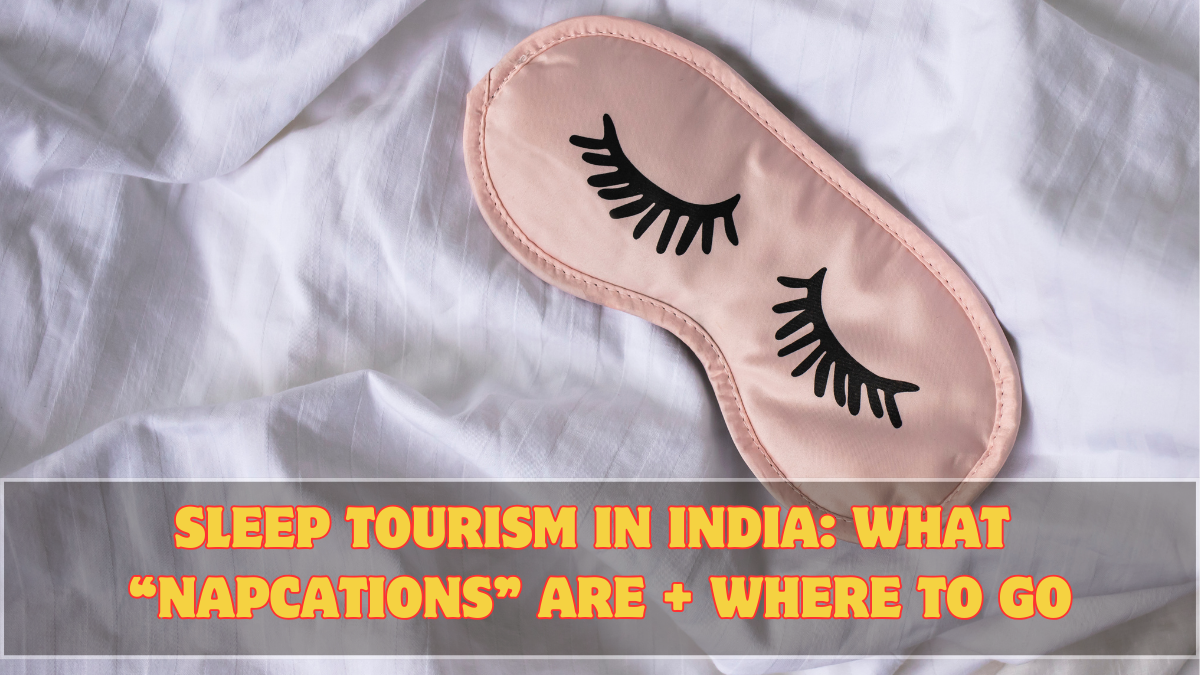
Sleep tourism India is trending for a reason people don’t like admitting: a normal vacation no longer fixes burnout. Packed itineraries, early checkouts, and “must-see” lists often leave people more tired than before. That’s why a new travel idea—napcations—is gaining traction. And no, it’s not laziness. It’s exhaustion meeting honesty.
What’s different this time is that people are travelling specifically to sleep better—not to explore more.
Why Sleep Tourism Is Suddenly Trending in India
This isn’t a luxury fad. Searches are rising because:
• Work-from-anywhere has blurred rest boundaries
• Sleep disorders and anxiety complaints are up
• Wellness travel is shifting from fitness to recovery
People don’t want another hill-station checklist. They want deep rest.
Napcation Meaning: What It Actually Is (And Isn’t)
The napcation meaning is simple: a vacation designed around rest, sleep quality, and nervous-system recovery.
Napcations usually include:
• Late wake-up schedules
• Quiet environments
• Sleep-optimised rooms
• Minimal activity pressure
What they are not:
• Party trips
• Adventure travel
• “Do-everything” itineraries
The goal is recovery, not productivity.
How Sleep Tourism Differs From Regular Wellness Travel
Traditional wellness travel focuses on doing.
Sleep tourism focuses on undoing.
Key differences:
• Fewer activities, more downtime
• Focus on circadian rhythm, not calories
• Silence over stimulation
It’s about removing stressors, not adding routines.
Why India Is Perfect for Sleep Tourism
India already has natural advantages:
• Quiet hill regions
• Ayurveda-based sleep therapies
• Slow-living destinations
• Affordable long stays
This makes sleep tourism India more accessible than in many global markets.
Best Places in India for Napcations
Some regions naturally support rest better than others.
Popular napcation-friendly regions include:
• Coorg and Wayanad (quiet, green, low noise)
• Rishikesh outskirts (away from crowds)
• Himalayan foothills (slow pace, cool climate)
• Parts of Kerala focused on wellness
These places reduce sensory overload instantly.
Wellness Resorts That Focus on Sleep (Not Hustle)
The right wellness resorts don’t overschedule guests.
What to look for:
• No early-morning mandatory sessions
• Dark, sound-insulated rooms
• Optional therapies, not fixed timetables
• Tech-light or tech-free zones
If the resort pushes constant activities, it defeats the purpose.
What Happens During a Sleep Retreat
A true sleep retreat is intentionally boring—in a good way.
Typical elements:
• Flexible meal times
• Guided relaxation or breathing
• Gentle therapies (massage, oil treatments)
• Minimal social pressure
The absence of urgency is the therapy.
Who Sleep Tourism Is Actually For
This matters.
Sleep tourism works best for:
• Burnt-out professionals
• Caregivers and parents
• People with sleep debt
• Anyone mentally overloaded
It’s not ideal if you:
• Get bored easily
• Need constant stimulation
• Treat vacations as achievement
Expectation alignment is crucial.
Why Napcations Feel “Weird” at First
Many people feel uneasy doing nothing.
Common reactions:
• Guilt about resting
• Restlessness on day one
• Urge to “make the trip worth it”
This passes once the nervous system slows down.
How Long a Sleep-Focused Trip Should Be
You don’t need weeks.
Effective napcation lengths:
• 2–3 days: noticeable relief
• 4–5 days: real reset
• 7 days: habit-level change
Even short trips help if designed well.
What Not to Expect From Sleep Tourism
Important reality check:
• It won’t solve chronic medical insomnia
• It’s not a productivity hack
• Results aren’t instant
Sleep tourism supports recovery—it doesn’t replace treatment.
How to Make a Napcation Actually Work
Before going:
• Reduce caffeine intake
• Inform people you’ll be less reachable
• Avoid overplanning
During the stay:
• Follow natural wake times
• Resist filling free hours
• Let boredom happen
That’s where recovery starts.
Why This Trend Is Likely to Grow
As burnout normalises, recovery becomes aspirational.
Sleep tourism offers:
• Permission to rest
• A reset without explanation
• A healthier relationship with time
That’s powerful in 2026.
Conclusion
Sleep tourism India reflects a deeper shift in how people value rest. Napcations and sleep retreats aren’t about indulgence—they’re about repair. In a culture that celebrates busyness, choosing sleep-focused travel is quietly radical.
If your last vacation left you tired, this trend might be exactly what you need.
FAQs
What is sleep tourism?
Travel focused on rest, sleep quality, and mental recovery rather than activities.
What does napcation mean?
A vacation designed primarily for sleeping, resting, and slowing down.
Are sleep retreats medical treatments?
No. They support relaxation but don’t replace medical care.
Is sleep tourism expensive in India?
It can be affordable, especially for longer, slower stays.
Who should avoid napcations?
Those who need constant stimulation or packed itineraries may not enjoy it.