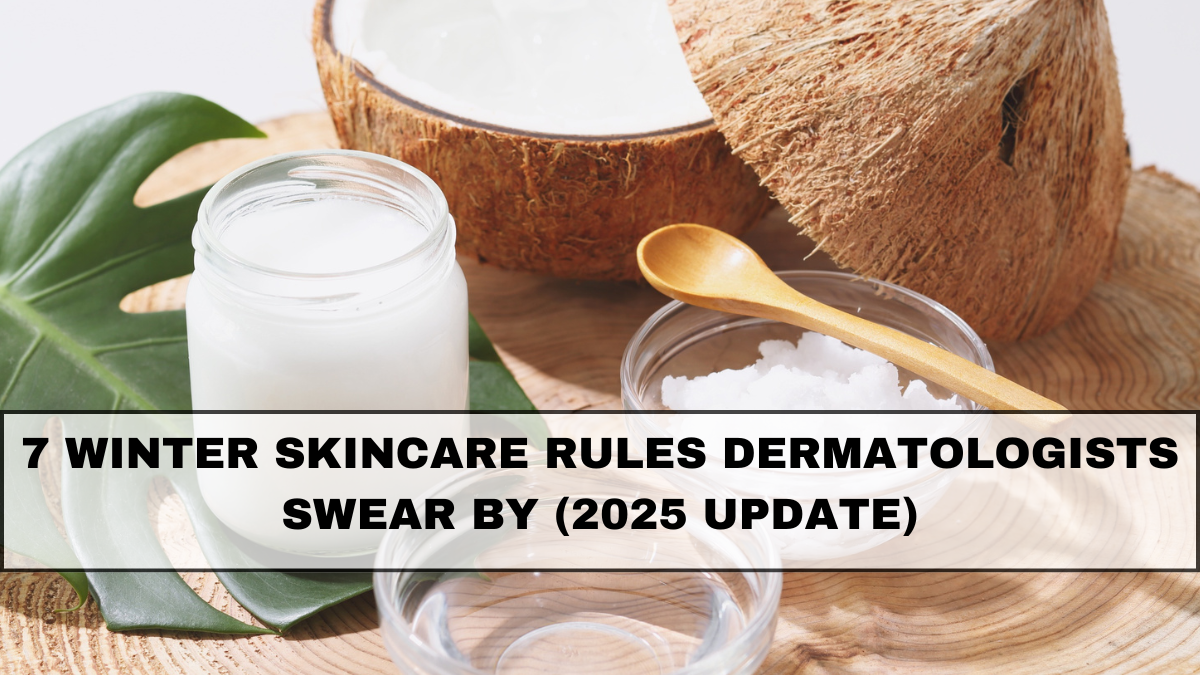
Winter brings unique challenges for skincare enthusiasts. Low humidity, chilly winds, and indoor heating can strip the skin of moisture, leaving it dry, flaky, and sensitive. The winter skincare routine 2025 emphasizes hydration, protection, and gentle care, ensuring skin remains healthy, glowing, and comfortable throughout the season. Here are seven dermatologist-approved rules to follow this winter.

Prioritize Hydration With the Right Moisturizers
Hydration is the foundation of any winter skincare routine. Moisturizers help lock water into the skin, preventing dryness caused by cold, harsh conditions. Dermatologists suggest switching from lightweight lotions to richer creams during winter months.
Tips for effective hydration:
-
Apply moisturizer immediately after washing your face or bathing to seal in moisture.
-
Look for ingredients like hyaluronic acid, glycerin, and ceramides that strengthen the skin barrier.
-
Use occlusive ingredients such as shea butter, squalane, or petrolatum for extremely dry areas.
-
Layer a nourishing facial oil over your moisturizer for added protection and glow.
Proper hydration reduces dryness, flakiness, and tightness while keeping the skin supple and radiant.
Use Gentle Cleansers to Avoid Stripping Skin
Cleansing is essential, but harsh soaps and foaming cleansers can strip the skin of natural oils, worsening winter dryness. For the winter skincare routine 2025, dermatologists recommend gentle cleansing practices.
Key tips include:
-
Opt for cream-based, hydrating, or oil cleansers that remove dirt without drying out the skin.
-
Wash your face with lukewarm water instead of hot water to preserve natural oils.
-
Limit cleansing to twice a day unless your skin becomes oily.
-
Pat skin dry with a soft towel rather than rubbing to prevent irritation.
Gentle cleansing maintains the skin’s protective barrier while keeping it clean and fresh.
Incorporate Face Oils for Extra Moisture
Face oils have gained popularity as a winter essential. They lock in moisture, reinforce the skin barrier, and add a natural glow. Dermatologists suggest using oils such as jojoba, rosehip, or argan, especially on drier areas.
Tips for using face oils:
-
Apply a few drops over moisturizer for added hydration.
-
Focus on areas prone to dryness like cheeks, nose, and forehead.
-
Avoid heavy oils on oily or acne-prone skin to prevent breakouts.
Integrating oils into your routine enhances the skin’s resilience against harsh winter conditions.
Exfoliate, But Gently
Exfoliation helps remove dead skin cells and allows moisturizers to penetrate effectively. During winter, it’s crucial to choose gentle exfoliants to avoid irritation.
Winter exfoliation tips:
-
Use chemical exfoliants like AHAs or BHAs in mild concentrations.
-
Limit exfoliation to 1–2 times per week.
-
Avoid harsh scrubs that can damage the skin barrier.
A gentle exfoliation routine ensures smooth, soft skin while supporting hydration efforts.
Protect With Sunscreen Every Day
Even in winter, UV exposure can damage skin, causing dryness, pigmentation, and premature aging. Dermatologists recommend daily sunscreen use as part of the winter skincare routine 2025.
Sunscreen tips:
-
Choose a broad-spectrum SPF 30 or higher.
-
Apply 15–20 minutes before stepping outdoors.
-
Reapply if you are exposed to sunlight for extended periods.
Using sunscreen daily helps maintain healthy skin and prevents sun-induced winter damage.
Stay Hydrated From Within
External skincare alone isn’t enough. Drinking water and consuming hydrating foods are critical for skin health in winter.
Internal hydration tips:
-
Drink at least 6–8 glasses of water daily.
-
Include fruits and vegetables with high water content, like cucumber, oranges, and watermelon.
-
Limit excessive caffeine or alcohol, which can dehydrate skin.
Proper internal hydration complements topical moisturizers and oils, ensuring skin stays soft and supple.
Adjust Your Skincare Routine Gradually
Winter often requires temporary changes in your skincare routine. Dermatologists advise adapting routines slowly to prevent irritation.
Adjustment tips:
-
Swap lighter moisturizers for richer creams as temperatures drop.
-
Reduce exfoliation or retinol use if the skin becomes overly dry or sensitive.
-
Monitor your skin’s reaction and tweak routines based on hydration needs.
A flexible skincare routine ensures your skin receives optimal care without stress during seasonal transitions.
FAQs
What is the best winter skincare routine for dry skin?
Use gentle cleansers, apply a rich moisturizer immediately after washing, layer face oils, exfoliate 1–2 times per week, and always wear sunscreen.
Can I use the same moisturizer in summer and winter?
It’s better to switch to a richer cream or oil-based moisturizer during winter to maintain hydration.
How often should I exfoliate my skin in winter?
Exfoliate 1–2 times per week with gentle chemical exfoliants to remove dead skin without causing irritation.
Are facial oils necessary for winter skincare?
Facial oils help lock in moisture, strengthen the skin barrier, and add natural glow, especially on dry areas.
Does sunscreen really matter in winter?
Yes. UV rays are present year-round and can damage skin, causing dryness, pigmentation, and premature aging.
Click here to know more.