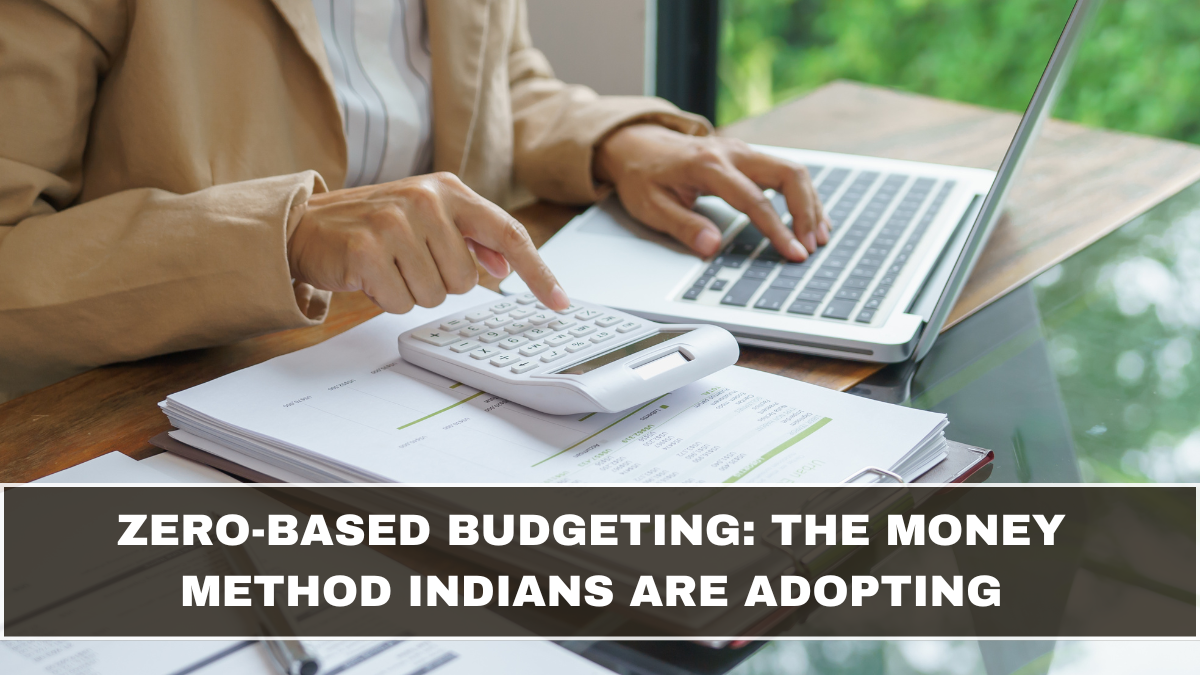
The growing interest in Zero-based budgeting India reflects a major shift in how Indian households approach money planning and savings. With rising living costs, unpredictable expenses, and increasing financial awareness, more families are moving away from casual budgeting toward structured, intentional financial systems.
Zero-based budgeting is not about restricting spending. Instead, it focuses on giving every rupee a clear purpose, helping households gain control, reduce stress, and improve long-term financial stability.
What Is Zero-Based Budgeting?
Zero-based budgeting is a method where income minus expenses equals zero. This does not mean spending everything carelessly. It means every rupee is assigned a job—whether for bills, savings, investments, or personal enjoyment.
In Zero-based budgeting India, families plan where each portion of their income goes before the month begins, rather than tracking expenses after money is already spent.
Why Zero-Based Budgeting Is Growing in India
Several factors have pushed Indian households toward Zero-based budgeting India.
Key reasons include:
• Rising household expenses
• Increased awareness of financial discipline
• Easy access to budgeting apps
• Growing focus on emergency funds
• Desire for better money planning
Indian families want clarity and predictability in their finances, and zero-based budgeting provides both.
How Zero-Based Budgeting Works in Real Life
The process of Zero-based budgeting India starts with calculating total monthly income. Once income is clear, expenses are planned in advance.
Typical expense categories include:
• Rent or home loan
• Groceries and household supplies
• Utilities and mobile bills
• Transportation
• Education and childcare
• Insurance premiums
• Savings and investments
• Personal spending
Every rupee is allocated until the balance reaches zero.
Difference Between Traditional Budgeting and Zero-Based Budgeting
Traditional budgeting often involves estimating expenses loosely and saving whatever remains. Zero-based budgeting flips this approach.
Key differences include:
• Planning before spending
• Intentional savings
• Clear spending boundaries
• Monthly financial awareness
• Reduced impulse purchases
This is why Zero-based budgeting India feels more disciplined and effective.
How Indian Families Are Using This Method
Indian households across income levels are adapting zero-based budgeting in practical ways.
Common adaptations include:
• Separate categories for festivals and family events
• Dedicated education and tuition funds
• Monthly EMIs planned first
• Emergency funds treated as non-negotiable
• Clear guilt-free spending limits
This approach fits well with Indian financial priorities.
Role of Savings in Zero-Based Budgeting
Unlike traditional budgeting, savings are treated as an expense in Zero-based budgeting India.
Savings categories may include:
• Emergency fund
• Short-term goals
• Long-term investments
• Retirement planning
• Child education fund
This ensures savings happen consistently, not occasionally.
How Zero-Based Budgeting Helps Reduce Financial Stress
One of the biggest benefits of Zero-based budgeting India is reduced money-related anxiety.
It helps by:
• Eliminating financial uncertainty
• Preventing overspending
• Improving control over cash flow
• Encouraging mindful spending
• Supporting long-term planning
Families know exactly where their money is going.
Zero-Based Budgeting for Salaried Professionals
Salaried employees benefit significantly from structured money planning.
Benefits include:
• Better EMI management
• Controlled lifestyle inflation
• Consistent savings growth
• Clear monthly expense tracking
This method works especially well with fixed incomes.
How Self-Employed Individuals Use It
Self-employed professionals adjust Zero-based budgeting India by using average monthly income.
They often:
• Budget conservatively
• Prioritize essential expenses
• Increase emergency funds
• Plan variable expenses carefully
This adds stability to unpredictable income cycles.
Digital Tools Supporting Zero-Based Budgeting
Budgeting apps and spreadsheets have made Zero-based budgeting India easier to follow.
Popular features include:
• Category-wise expense tracking
• Monthly planning templates
• Automatic reminders
• Visual spending charts
These tools simplify money planning and accountability.
Common Mistakes Beginners Make
Some people struggle initially with zero-based budgeting.
Common mistakes include:
• Over-restricting personal spending
• Forgetting irregular expenses
• Ignoring buffer categories
• Not adjusting monthly plans
Flexibility is key to long-term success.
How to Start Zero-Based Budgeting in India
Simple steps include:
• Calculate total monthly income
• List all fixed and variable expenses
• Assign every rupee a purpose
• Track expenses regularly
• Review and adjust monthly
Consistency is more important than perfection.
Why This Method Suits Indian Financial Culture
Indian households value planning, stability, and future security. Zero-based budgeting India aligns naturally with these values.
It supports:
• Family responsibilities
• Long-term goals
• Cultural spending patterns
• Financial discipline
This makes it easy to adopt and maintain.
Future of Zero-Based Budgeting in India
As financial literacy improves, more Indians are expected to adopt structured budgeting.
Future trends include:
• App-based zero budgeting tools
• Youth financial education
• Increased household savings rates
• Smarter money planning
This method is becoming a financial lifestyle rather than a trend.
Conclusion
The rise of Zero-based budgeting India shows how Indian households are becoming more intentional with money planning and savings. By assigning every rupee a role, families gain clarity, reduce stress, and build stronger financial foundations. Whether salaried or self-employed, this method empowers Indians to take control of their finances with confidence.
FAQs
What is zero-based budgeting?
It is a budgeting method where every rupee is assigned a purpose before spending.
Is zero-based budgeting suitable for Indian families?
Yes, it aligns well with Indian household expenses and financial goals.
Does zero-based budgeting increase savings?
Yes, savings are treated as planned expenses, ensuring consistency.
Can beginners follow this method?
Yes, with simple planning and regular review, anyone can start.
Is zero-based budgeting time-consuming?
Initially it takes effort, but it becomes easier with practice.
Click here to know more.