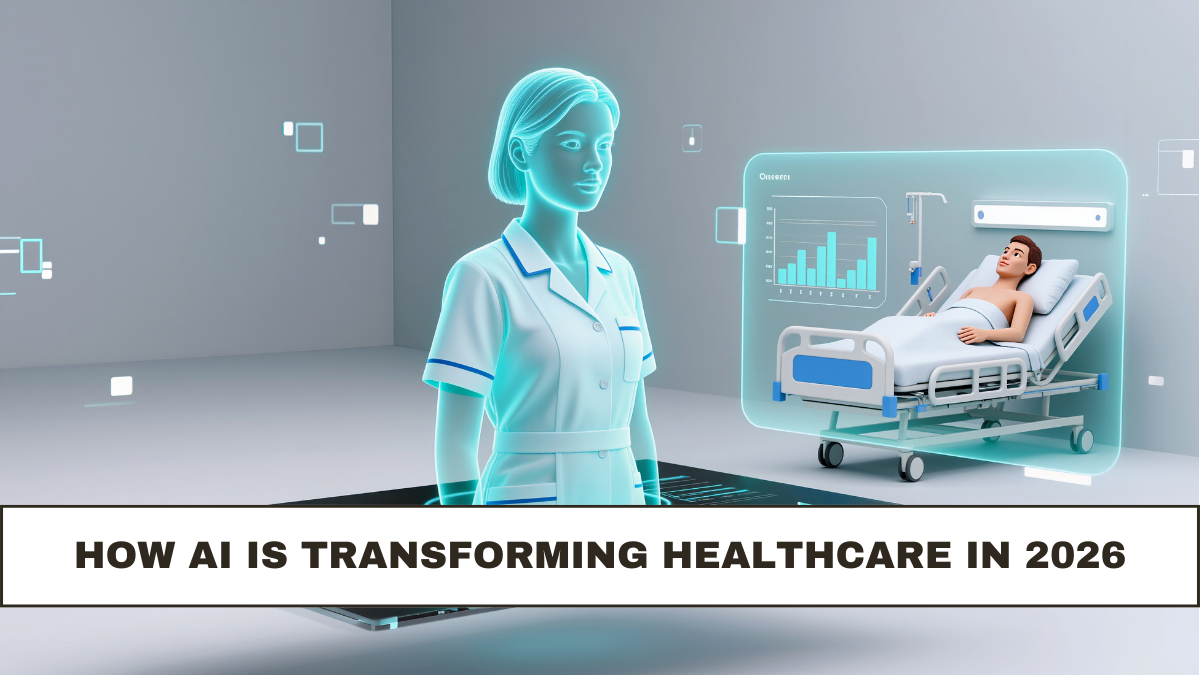
The role of AI in healthcare has expanded rapidly as hospitals, clinics, and health systems adopt digital tools to improve accuracy, efficiency, and patient outcomes. Artificial intelligence is no longer experimental in medicine — it is actively supporting doctors, nurses, and administrators in real-world healthcare environments.
From diagnostics to hospital management, medical AI is reshaping how care is delivered. As health technology continues to evolve, AI is becoming an essential layer that enhances decision-making rather than replacing human professionals.
Why AI Is Being Adopted Across Healthcare Systems
Healthcare systems worldwide face growing pressure due to rising patient loads, limited staff, and complex data. AI in healthcare helps address these challenges by automating repetitive tasks and supporting clinical decisions.
Key reasons for adoption include:
• Faster data processing
• Improved diagnostic support
• Reduced administrative workload
• Better patient monitoring
• More efficient resource use
These benefits make AI a practical tool for modern healthcare operations.
AI in Medical Diagnosis and Imaging
One of the most established uses of medical AI is in medical imaging and diagnostics. AI systems can analyze X-rays, MRIs, CT scans, and pathology images to identify patterns that assist clinicians.
Common applications include:
• Detecting abnormalities in scans
• Supporting early disease detection
• Highlighting risk indicators
• Assisting radiologists with reviews
• Reducing diagnostic delays
These tools help improve accuracy while allowing doctors to focus on patient care.
AI for Clinical Decision Support
Clinical decision support systems powered by AI help healthcare professionals evaluate patient data more efficiently. These tools analyze medical history, symptoms, and test results to provide structured insights.
Functions often include:
• Treatment suggestions based on data
• Risk assessment support
• Medication interaction checks
• Alerts for abnormal readings
• Evidence-based guidance
Such systems strengthen decision-making while keeping clinicians in control.
AI in Patient Monitoring and Remote Care
Remote monitoring has become an important part of modern health technology, especially for chronic conditions. AI-enabled systems help track patient health data in real time.
Examples include:
• Monitoring vital signs remotely
• Detecting irregular patterns
• Alerting care teams when thresholds are crossed
• Supporting home-based care
• Tracking recovery progress
This use of AI in healthcare improves continuity of care and reduces unnecessary hospital visits.
Administrative and Operational Benefits of AI
Beyond clinical care, medical AI plays a major role in healthcare administration. Many hospitals use AI to streamline operations and reduce paperwork.
Administrative uses include:
• Automating appointment scheduling
• Managing medical records
• Assisting billing and coding
• Predicting patient flow
• Optimizing staff allocation
These improvements help healthcare systems operate more efficiently.
AI in Personalized Treatment Planning
Personalized medicine is another area where AI in healthcare is making progress. AI systems can analyze patient-specific data to support tailored care approaches.
This includes:
• Evaluating patient history
• Analyzing treatment responses
• Supporting customized care plans
• Identifying suitable therapies
• Monitoring long-term outcomes
Such personalization improves patient experience and treatment effectiveness.
Role of AI in Medical Research
AI is also accelerating medical research by processing large datasets quickly and accurately. Researchers use medical AI to identify patterns that would take much longer through manual analysis.
Applications include:
• Analyzing clinical trial data
• Identifying research trends
• Supporting drug discovery
• Organizing medical literature
• Detecting correlations in datasets
This speeds up research workflows and supports innovation.
AI and Patient Engagement Tools
Many healthcare platforms now use AI-powered tools to improve patient communication and engagement.
These tools can:
• Answer common health-related questions
• Send reminders for medications or appointments
• Provide basic health guidance
• Help patients understand reports
• Improve accessibility to information
Such features enhance patient involvement without replacing professional advice.
Challenges and Ethical Considerations
Despite its benefits, AI in healthcare comes with important challenges that must be addressed responsibly.
Key concerns include:
• Data privacy and security
• Bias in algorithms
• Transparency of decisions
• Regulatory compliance
• Need for human oversight
Healthcare providers continue to balance innovation with safety and ethics.
Why AI Will Continue Shaping Healthcare
The continued adoption of health technology ensures that AI will remain a key part of healthcare systems. Its ability to process large volumes of data and support decision-making makes it valuable across many areas of care.
Rather than replacing medical professionals, AI serves as a supportive tool that enhances accuracy, efficiency, and accessibility.
Conclusion
AI in healthcare is transforming how medical services are delivered by improving diagnostics, streamlining operations, and supporting patient care. Through responsible use of medical AI and evolving health technology, healthcare systems are becoming more efficient, data-driven, and patient-focused.
As adoption grows, AI will continue to play a supportive role in strengthening global healthcare systems while keeping human expertise at the center.
FAQs
What is AI in healthcare?
AI in healthcare refers to the use of artificial intelligence to support medical diagnosis, treatment, administration, and patient care.
How does AI help doctors?
AI helps doctors by analyzing data, identifying patterns, and supporting clinical decision-making.
Is AI replacing healthcare professionals?
No, AI supports healthcare workers but does not replace their expertise or judgment.
Where is medical AI commonly used?
It is used in diagnostics, imaging, patient monitoring, administration, and research.
Is AI in healthcare safe?
When properly regulated and monitored, AI tools are considered safe and beneficial for healthcare use.
Click here to know more.