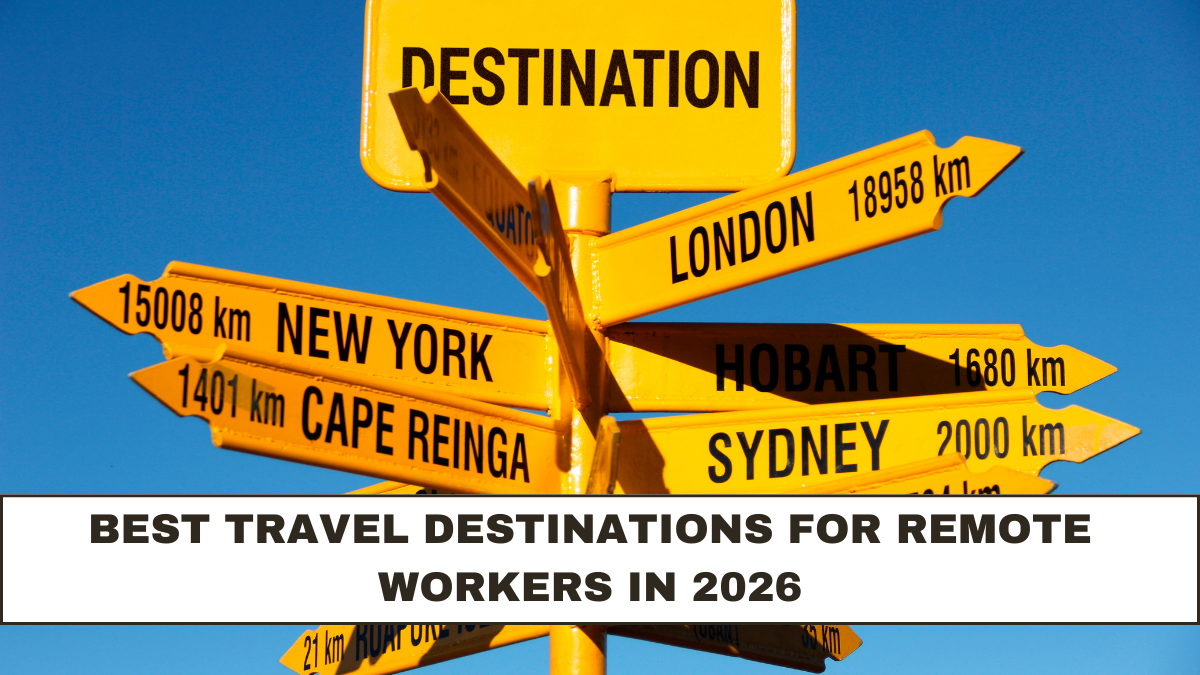
The rise of flexible jobs and location-independent careers has made remote work travel destinations more popular than ever. In 2026, professionals are no longer tied to one city or country, allowing them to combine work with exploration. From affordable hubs to lifestyle-focused locations, many places are adapting to attract remote workers through infrastructure, community support, and friendly visas.
As global work culture evolves, digital nomad cities are becoming smarter, more connected, and better suited for long-term stays.
Why Remote Work Travel Is Growing in 2026
The demand for remote work travel destinations continues to rise due to changing workplace expectations and improved digital infrastructure. More companies now support hybrid or fully remote models, giving workers freedom to choose where they live and work.
Key reasons behind this growth include:
• Widespread remote job opportunities
• Reliable global internet access
• Flexible working schedules
• Growth of freelancer and creator economies
• Rising interest in work-life balance
These factors have made location independence more accessible than ever.
What Makes a City Ideal for Remote Workers
Not every destination suits remote professionals. The best digital nomad cities share common features that support productivity and lifestyle needs.
Important factors include:
• Stable and fast internet
• Affordable living costs
• Safe and comfortable environment
• Co-working and café culture
• Strong community of remote workers
• Availability of long-stay or digital nomad visas
Cities offering these benefits often become long-term favorites among remote professionals.
Popular Digital Nomad City Trends in 2026
Rather than only focusing on famous hotspots, remote workers are now exploring emerging remote work travel destinations that offer better balance and affordability.
Common trends shaping destination choices include:
• Preference for mid-sized cities over crowded capitals
• Demand for quieter, lifestyle-oriented locations
• Interest in cultural immersion
• Focus on wellness-friendly environments
• Long-term stay flexibility
These trends are redefining how digital nomad cities evolve.
Role of Visas in Remote Work Travel
Specialized visas play a major role in shaping global remote work movement. Many countries now offer visa options designed specifically for remote professionals.
Key features often include:
• Legal permission to work remotely
• Extended stay durations
• Simple application processes
• Income-based eligibility
• Flexibility for renewals
Such visa programs make it easier for professionals to legally live and work abroad without traditional employment ties.
Cost of Living and Lifestyle Balance
Affordability remains a top priority when choosing remote work travel destinations. Many workers look for locations where income stretches further without compromising quality of life.
Important lifestyle considerations include:
• Housing affordability
• Daily living expenses
• Healthcare access
• Transportation convenience
• Food and cultural options
Balancing cost with comfort helps sustain long-term remote living.
Infrastructure and Connectivity Matters
Strong digital infrastructure is essential for anyone working remotely. The best digital nomad cities prioritize connectivity and reliability.
Key infrastructure features include:
• High-speed internet availability
• Stable power supply
• Multiple coworking options
• Mobile network coverage
• Tech-friendly environments
These factors directly impact productivity and work consistency.
Community and Networking Opportunities
Remote work can sometimes feel isolating, which is why community plays a major role in choosing remote work travel destinations.
Popular destinations often offer:
• Coworking communities
• Networking events
• Social meetups
• Skill-sharing groups
• Cultural exchange opportunities
Such ecosystems help remote workers build friendships and professional connections.
Safety and Quality of Life Considerations
Safety and well-being strongly influence destination choices. Remote professionals increasingly look for locations that offer a peaceful and supportive environment.
Key considerations include:
• Personal safety
• Political stability
• Healthcare quality
• Clean surroundings
• Comfortable lifestyle pace
These factors contribute to long-term satisfaction while working remotely.
Travel Trends Shaping Remote Work in 2026
Several travel trends are influencing how people choose remote work travel destinations in 2026.
Notable trends include:
• Slow travel instead of frequent moves
• Preference for longer stays
• Blending work with wellness
• Eco-conscious living
• Community-focused travel
These trends align with sustainable and balanced remote lifestyles.
How Remote Workers Choose Their Next Destination
Choosing the right place involves both practical and personal factors. Many remote professionals research extensively before relocating.
Common decision factors include:
• Internet quality
• Visa options
• Cost comparisons
• Climate preferences
• Time zone compatibility
These considerations help identify suitable digital nomad cities for long-term stays.
Benefits of Remote Work Travel in 2026
The benefits of choosing remote work travel destinations go beyond scenery and affordability.
Advantages include:
• Improved work-life balance
• Cultural exposure
• Personal growth
• Flexible schedules
• Enhanced creativity
Remote travel supports both professional productivity and personal fulfillment.
Future Outlook for Digital Nomad Travel
The future of digital nomad cities looks promising as more countries adapt policies and infrastructure to attract remote workers. Governments, businesses, and communities are increasingly recognizing the economic and cultural value of this workforce.
Expected developments include:
• Expanded remote work visa programs
• Improved coworking ecosystems
• Smarter urban planning
• Better digital services
• Increased global mobility
These trends will continue shaping remote work travel destinations in the coming years.
Conclusion
The growing popularity of remote work travel destinations reflects a shift in how people approach careers and lifestyle choices. With improved infrastructure, flexible visas, and thriving digital nomad cities, 2026 offers more opportunities than ever to work while exploring the world. By choosing destinations that balance connectivity, affordability, and quality of life, remote professionals can build fulfilling and sustainable global lifestyles.
FAQs
What are remote work travel destinations?
They are cities or regions that support working remotely with good internet, lifestyle amenities, and legal options.
What makes a city good for digital nomads?
Reliable internet, affordable living, safety, community, and visa options are key factors.
Do all countries offer digital nomad visas?
No, but many countries now provide special visas for remote workers.
Is remote work travel suitable for long-term stays?
Yes, many professionals choose long-term stays to build routine and stability.
How do remote workers choose destinations?
They consider cost, connectivity, lifestyle, safety, and visa requirements.
Click here to know more.