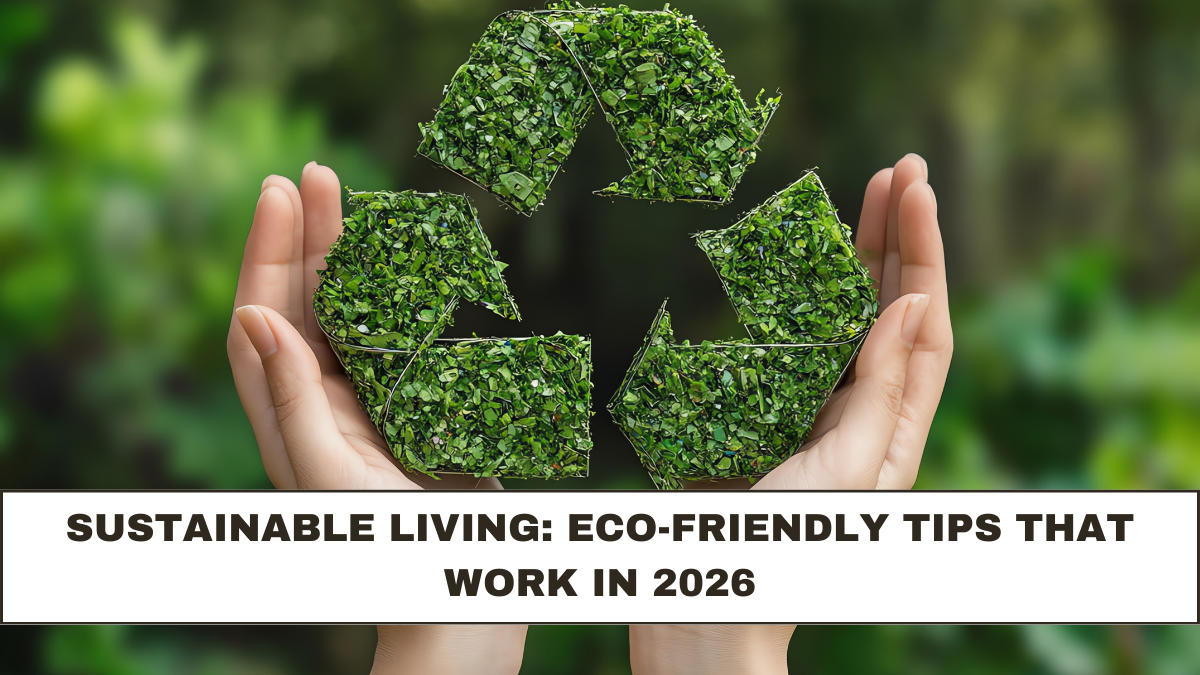
Adopting sustainable living tips has become more important than ever as people look for ways to reduce waste, cut daily expenses, and live more responsibly. In 2026, sustainability is no longer just a trend but a practical lifestyle choice supported by smarter habits, better awareness, and accessible eco-friendly products. Small changes in daily routines can lead to meaningful long-term impact for both the environment and personal finances.
With growing awareness around climate impact and conscious consumption, more individuals are embracing a zero waste life approach that focuses on reducing unnecessary consumption while improving quality of life.
Why Sustainable Living Matters More in 2026
The need for practical sustainable living tips continues to grow due to rising resource consumption and environmental concerns. People are now more aware of how daily habits influence waste generation, pollution, and household spending.
Key reasons sustainability matters today include:
• Increasing waste generation
• Rising utility and living costs
• Environmental awareness
• Demand for responsible consumption
• Long-term financial savings
These factors are encouraging households to adopt realistic and achievable eco-friendly routines.
Simple Daily Habits That Support Sustainable Living
One of the easiest ways to begin is by adjusting everyday habits. Effective sustainable living tips focus on consistency rather than perfection.
Simple habits include:
• Using reusable bags and containers
• Avoiding single-use plastics
• Turning off unused electrical devices
• Choosing refillable household items
• Buying only what is needed
These actions support a smoother transition toward a zero waste life without overwhelming lifestyle changes.
Choosing Eco-Friendly Products Wisely
Switching to eco-friendly products is a core part of sustainable living. In 2026, many affordable and durable options are available across personal care, cleaning, and household categories.
Popular eco-conscious product choices include:
• Refillable cleaning solutions
• Bamboo or metal alternatives
• Biodegradable packaging
• Reusable kitchen essentials
• Energy-efficient appliances
Choosing quality over quantity reduces long-term costs while supporting environmental responsibility.
Reducing Waste at Home Effectively
Waste reduction remains central to most sustainable living tips. A structured approach helps households minimize unnecessary trash.
Effective waste-reduction practices include:
• Composting organic waste
• Recycling correctly
• Avoiding over-packaged goods
• Repairing instead of replacing items
• Donating usable materials
These habits make adopting a zero waste life more manageable and rewarding.
Sustainable Food and Grocery Choices
Food choices significantly impact sustainability. Making thoughtful decisions helps reduce waste while saving money.
Helpful sustainable food habits include:
• Planning meals in advance
• Buying seasonal produce
• Choosing local sources
• Storing food properly
• Avoiding food waste
These practices align with practical sustainable living tips that fit easily into daily routines.
Energy-Saving Habits That Reduce Bills
Energy efficiency plays a major role in sustainability. Small changes can lead to noticeable cost savings over time.
Useful energy-focused tips include:
• Using LED lighting
• Switching off standby devices
• Maximizing natural light
• Choosing energy-efficient appliances
• Monitoring electricity usage
Such habits support eco-conscious goals while improving household efficiency.
Water Conservation Made Simple
Saving water is another essential part of sustainable living tips that often goes overlooked. Minor adjustments can lead to significant reductions in water usage.
Practical water-saving habits include:
• Fixing leaks promptly
• Using low-flow fixtures
• Reusing water where possible
• Reducing unnecessary usage
• Being mindful during daily activities
These steps support long-term sustainability with minimal effort.
Sustainable Shopping and Consumption Habits
Mindful shopping is key to maintaining a zero waste life. Conscious purchasing decisions help reduce clutter and environmental impact.
Smart consumption habits include:
• Buying only essentials
• Choosing durable products
• Supporting ethical brands
• Avoiding impulse purchases
• Prioritizing quality over quantity
These habits also align with budget-friendly living.
Building Long-Term Sustainable Routines
Long-term success comes from creating realistic systems. The most effective sustainable living tips focus on gradual improvement rather than instant perfection.
Helpful strategies include:
• Setting achievable goals
• Tracking progress
• Involving family members
• Learning continuously
• Staying consistent
This approach makes sustainability sustainable in itself.
How Sustainability Saves Money Over Time
Many people adopt eco-friendly habits for financial reasons. Living sustainably often reduces recurring expenses.
Cost-saving benefits include:
• Lower utility bills
• Reduced shopping frequency
• Less waste disposal
• Longer product lifespan
• Smarter consumption
Combining financial awareness with eco-friendly products makes sustainability practical and rewarding.
The Future of Sustainable Living
The future of sustainability focuses on accessibility, affordability, and awareness. As technology and innovation evolve, more people can adopt sustainable living tips without major lifestyle disruption.
Expected developments include:
• More affordable eco products
• Improved recycling systems
• Community-driven sustainability
• Better awareness campaigns
• Smarter household solutions
These trends support a broader shift toward a balanced and responsible way of living.
Conclusion
Embracing sustainable living tips in 2026 is about making thoughtful choices that benefit both the environment and daily life. Through mindful habits, responsible consumption, and the use of eco-friendly products, anyone can move closer to a zero waste life. Small, consistent actions create lasting impact, making sustainability not just achievable but deeply rewarding.
FAQs
What are sustainable living tips?
They are practical habits and choices that help reduce environmental impact and promote responsible living.
How can beginners start sustainable living?
Start by reducing waste, using reusable items, and choosing eco-friendly alternatives.
Are eco-friendly products expensive?
Many are affordable and save money long-term through durability and reuse.
What is a zero waste life?
It focuses on minimizing waste through mindful consumption and reuse.
Can sustainable living really save money?
Yes, it often reduces energy, water, and shopping expenses over time.
Click here to know more.