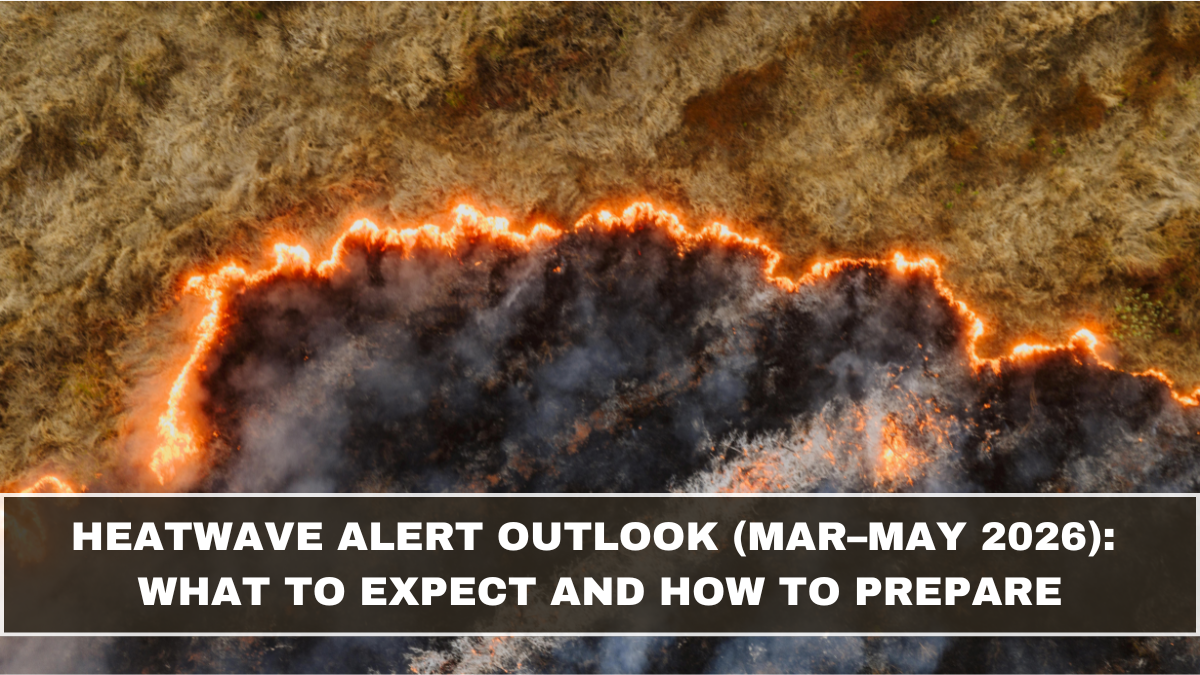
Heatwave conditions during India’s summer months typically occur between March and May, when temperatures rise significantly across several regions. The India Meteorological Department (IMD) releases seasonal outlooks and warnings based on temperature patterns, rainfall trends, and atmospheric conditions.
Understanding how heatwaves develop, which regions are commonly affected, and how to prepare helps individuals and communities manage extreme heat conditions safely.
What Is a Heatwave According to IMD
The India Meteorological Department defines a heatwave based on temperature thresholds and deviation from normal seasonal temperatures. Heatwave conditions are declared when maximum temperatures exceed specific limits in plains, coastal areas, or hilly regions.
In general, heatwave situations occur when temperatures remain unusually high for consecutive days, increasing health risks and environmental stress. IMD regularly issues alerts and advisories to help people take precautionary measures during extreme heat events.
These definitions help authorities monitor weather conditions and issue region-specific warnings.
Why Heatwaves Occur in India During March to May
Heatwaves in India are primarily caused by intense solar radiation, dry atmospheric conditions, and delayed pre-monsoon rainfall. During summer months, land surfaces heat up quickly, especially in northwestern, central, and interior regions.
Low humidity, clear skies, and hot winds further increase temperature levels. Urban areas often experience higher temperatures due to the heat island effect caused by dense infrastructure and limited green cover.
Seasonal weather patterns and climate variability also influence the intensity and duration of heatwave conditions.
Regions Commonly Affected by Heatwave Conditions
Heatwave conditions are typically more frequent in northwestern, central, and interior parts of India. States such as Rajasthan, Delhi, Uttar Pradesh, Madhya Pradesh, and parts of Maharashtra and Gujarat often record higher temperatures during peak summer months.
Coastal regions generally experience lower peak temperatures due to sea influence but may face high humidity levels. Hilly areas are less affected by extreme heat compared to plains.
Actual temperature conditions vary each year based on weather patterns and seasonal rainfall.
Impact of Heatwaves on Health and Daily Life
Prolonged exposure to extreme heat can affect health, infrastructure, and daily routines. Heat-related illnesses such as heat exhaustion and heat stroke become more common during severe temperature conditions.
High temperatures can also affect water supply, electricity demand, and agricultural productivity. Outdoor workers, children, and elderly individuals are particularly vulnerable during heatwave periods.
Public awareness and preparedness play an important role in reducing risks.
How to Prepare for Heatwave Conditions
Preparation for heatwave conditions involves practical safety measures and awareness of weather updates.
Staying hydrated, avoiding direct sun exposure during peak afternoon hours, and wearing light clothing help reduce heat-related risks. Keeping homes ventilated, using cooling methods, and monitoring official weather advisories also support safety.
Local authorities often release guidelines during extreme heat periods, and following these advisories helps manage risk effectively.
Role of Weather Alerts and Early Warnings
Weather alerts issued by IMD and local authorities provide advance information about rising temperatures and possible heatwave conditions. These warnings help individuals plan activities, adjust work schedules, and take preventive measures.
Monitoring official weather updates ensures access to reliable information and reduces dependence on unverified forecasts.
Early warning systems are an important part of disaster preparedness and public safety.
Conclusion
Heatwave conditions in India between March and May are driven by seasonal weather patterns, high temperatures, and atmospheric conditions. Understanding how heatwaves develop, recognizing commonly affected regions, and following safety measures can help reduce health risks and improve preparedness. Staying informed through official weather advisories remains essential for managing extreme heat situations effectively.
FAQs
What is a heatwave according to IMD?
A heatwave is declared when temperatures exceed defined thresholds above normal levels for consecutive days in specific regions.
Which months experience heatwaves in India?
Heatwaves commonly occur between March and May, before the arrival of the monsoon season.
Which regions are most affected by heatwaves?
Northwestern, central, and interior regions of India often experience higher temperatures during peak summer months.
How can heatwave risks be reduced?
Staying hydrated, avoiding peak sun exposure, and following official weather advisories help reduce heat-related risks.
Where can I check heatwave warnings in India?
Official updates and alerts are issued by the India Meteorological Department and local weather authorities.