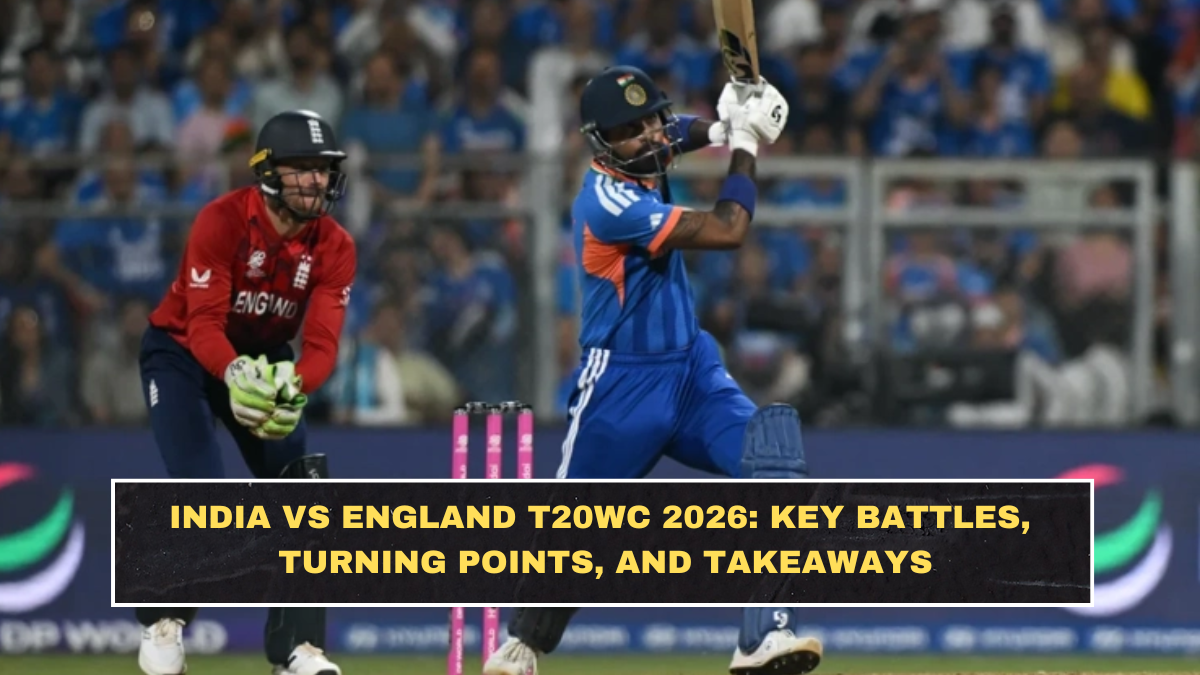
The India vs England match in the ICC T20 World Cup 2026 was one of the most anticipated fixtures of the tournament. Both teams entered the game with strong lineups and a history of competitive encounters in global T20 events. The match showcased a mix of aggressive batting, disciplined bowling spells, and tactical decisions that ultimately determined the outcome.
Encounters between India and England often feature high scoring because both teams rely on power hitters in the top order. However, the match also highlighted the importance of controlling the middle overs and executing bowling plans effectively during the final overs of the innings.
Understanding the key phases of the game helps explain how momentum shifted and why the result unfolded the way it did.
Match Scorecard Overview
The scoreboard reflects how closely contested the match was, with both teams producing competitive totals.
| Team | Runs | Wickets | Overs | Run Rate |
|---|---|---|---|---|
| India | 171 | 7 | 20 | 8.55 |
| England | 164 | 9 | 20 | 8.20 |
The narrow margin between the totals shows how a few crucial overs and individual performances influenced the final result.
Powerplay Battle Set the Early Tone
The first six overs played a significant role in shaping the direction of the match. India managed to build early momentum through aggressive batting, taking advantage of field restrictions during the powerplay.
England’s bowlers attempted to counter this by attacking with pace and swing to secure early wickets. The contest between opening batters and fast bowlers created an intense start to the match.
Strong powerplay performances often give teams a platform to post competitive totals in T20 cricket.
Key Player Battles That Defined the Match
Several individual matchups between batters and bowlers played a major role in influencing the game. These player battles often determine momentum shifts in high-pressure matches.
| Player Battle | Key Moment | Impact |
|---|---|---|
| Indian opener vs England pacer | Early boundary scoring | Set attacking tempo |
| Middle-order batter vs spinner | Wicket in middle overs | Slowed scoring |
| Finisher vs death bowler | Final overs boundary attempt | Pressure finish |
| Fast bowler vs England captain | Key wicket | Shifted momentum |
These confrontations illustrate how individual contests between players can shape the outcome of T20 matches.
Middle Overs Slowed the Run Flow
The middle phase of the innings saw England’s bowlers regain control through disciplined line and length bowling. Spinners and slower deliveries played an important role in restricting boundaries during this period.
This phase forced Indian batters to rely more on strike rotation rather than aggressive boundary hitting. The resulting slowdown allowed England to stay competitive despite the strong start by India.
Controlling the middle overs is often a key tactical objective in T20 matches.
Death Overs Became the Turning Point
The final overs of the match proved decisive. India’s bowlers executed yorkers and slower balls effectively to limit England’s scoring opportunities during the chase.
A crucial wicket during the closing overs prevented England from building a final surge toward the target. These moments of pressure frequently determine results in closely contested T20 matches.
Teams that maintain composure and execute their bowling plans during the death overs often secure victory.
Key Statistical Highlights from the Match
The data from the match reflects several important trends that influenced the final outcome.
| Match Metric | Match Data |
|---|---|
| Total boundaries | 20 fours, 8 sixes |
| Highest partnership | 72 runs |
| Powerplay runs | 56 |
| Middle overs run rate | 7.0 |
| Death overs run rate | 9.8 |
These statistics highlight how the game progressed across different phases of the innings.
Conclusion
The India vs England clash in the T20 World Cup 2026 delivered a competitive contest between two strong cricketing nations. The match demonstrated how powerplay momentum, middle-over control, and effective death-over bowling can collectively determine the outcome.
While both teams produced strong performances, the side that executed its plans more effectively during the key moments ultimately secured victory. Matches like this continue to showcase the tactical depth and excitement that define modern T20 cricket.
FAQs
What was the result of the India vs England match in T20 World Cup 2026?
The match was closely contested, with the winning team defending or chasing the target successfully after key turning points during the final overs.
Why are India vs England matches important in T20 tournaments?
Both teams have strong batting lineups and competitive bowling attacks, making their encounters among the most anticipated fixtures.
What were the turning points in the India vs England match?
Important moments included powerplay scoring momentum, middle-over wickets, and crucial breakthroughs during the death overs.
Which players performed well in the match?
Top performers included key batters who built partnerships and bowlers who delivered crucial overs in the middle and final stages.
Why are death overs critical in T20 cricket?
The last few overs often determine the final score because teams attempt to accelerate scoring during this period.