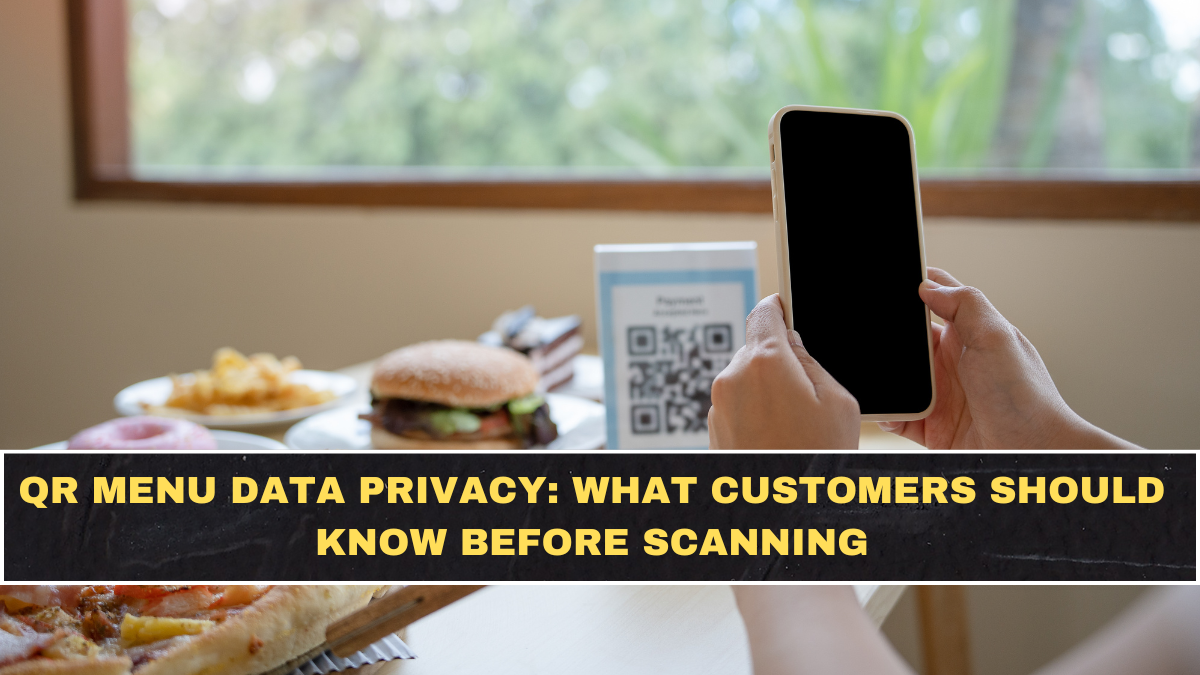
QR menus became common because they are fast, cheap and convenient for restaurants. Customers scan a code, open the menu and place an order without waiting for a physical card. But the recent Pune restaurant privacy row has exposed a serious blind spot: many customers do not know what data they may be sharing when they use QR-based ordering systems.
A basic QR code only opens a link, but the website behind that link can ask for a phone number, name, email, table number, payment details or location permission. That is where the risk begins. India’s Digital Personal Data Protection Act, 2023 recognises the right of individuals to protect their digital personal data, which makes restaurant data handling a serious issue, not a casual technical detail.
What Data Can A QR Menu Collect?
Not every QR menu collects personal data. Some only show a digital PDF or webpage, while others connect to full ordering platforms that may store customer details. The difference matters because scanning a menu is harmless in many cases, but entering your phone number or logging in can create a data trail.
The danger is not the QR code alone. The real issue is the platform, permissions and staff access behind it. If a restaurant’s system allows employees to view phone numbers without restriction, one careless or dishonest worker can misuse customer information, as alleged in the recent Pune case reported by India Today.
| QR Menu Type | Data Risk Level | What Customers Should Notice |
|---|---|---|
| PDF menu link | Low | Usually no phone number needed |
| Web menu page | Low to medium | Check URL and permissions |
| Ordering platform | Medium | May ask for name and phone number |
| Loyalty or offers page | Medium to high | Marketing consent may be involved |
| Payment-linked QR system | High | Financial and contact data may be stored |
Why Is This A Bigger Privacy Issue?
The problem is that customers often scan QR menus without thinking. In a restaurant setting, people are relaxed, hungry and in a hurry. They may enter a phone number just to see the menu or place an order, even when that data is not strictly necessary for showing food items.
The Digital Personal Data Protection framework in India is built around lawful handling of digital personal data. PRS notes that the law applies when personal data is collected online or collected offline and later digitised, and personal data means information that can identify an individual. That makes phone numbers, names and order histories sensitive enough to require responsible handling.
What Should You Check Before Scanning?
Customers do not need to reject QR menus completely, but blindly scanning and entering details is a bad habit. The smarter approach is to treat every QR code like a doorway. Before walking through it, check where it is taking you and what it is asking from you.
Use this quick safety checklist:
- Scan only QR codes placed officially on the table, bill folder or restaurant counter.
- Check whether the link looks like the restaurant’s real domain or a trusted ordering platform.
- Do not enter your phone number just to view a simple menu.
- Refuse unnecessary permissions like contacts, files, microphone or location.
- Use printed menus if the QR page looks suspicious or asks for too much data.
Can QR Codes Also Be Used For Scams?
Yes, QR codes can also be misused for phishing and fake payment fraud. CERT-In has warned that because QR code information is hidden from the user before scanning, attackers can trick people into visiting harmful websites or fake pages. This is why checking the destination link after scanning is not optional; it is basic digital hygiene.
This risk is not limited to restaurants. Fake QR codes can be pasted over real payment codes, shared through messages or placed in public areas. Customers should be especially careful when a QR code asks for login details, OTPs, banking information or app permissions that have nothing to do with ordering food.
What Should Restaurants Do Differently?
Restaurants need to stop treating customer data like casual table information. If a restaurant collects phone numbers, it must restrict staff access, keep logs, use secure ordering tools and train employees on privacy rules. One viral complaint is enough to damage trust that took years to build.
They should also show a short privacy notice before collecting any personal information. If the number is needed for order updates, say so clearly. If it is being used for marketing, that should require separate consent. Customers should not be forced to surrender personal data just to read a menu.
Conclusion
QR menus are not the enemy, but careless data collection is. The recent privacy debate shows that digital convenience becomes risky when restaurants collect more information than needed and fail to control who can access it. Customers must scan carefully, but businesses carry the bigger responsibility.
The simple rule is this: a food menu should not demand unnecessary personal details. If a QR page asks for your phone number, location or login before showing basic menu items, question it. Convenience is useful only when it does not quietly trade away privacy.
FAQs
Can A QR Menu Get My Phone Number Automatically?
A basic QR code usually cannot automatically access your phone number. However, if the menu opens an ordering website that asks you to enter your number, that information may be stored by the restaurant or platform.
Is It Safe To Scan Restaurant QR Menus?
It is generally safe if the QR code opens a simple menu page and does not ask for unnecessary personal details. The risk increases when the page asks for phone numbers, permissions, login details or payment information without clear reason.
What Data Should I Avoid Sharing On QR Menus?
Avoid sharing your phone number, email, location, OTP, banking details or social login unless it is clearly needed. A restaurant menu should normally not require sensitive information just to show food items and prices.
What Should I Do If A Restaurant Staff Misuses My Data?
Save screenshots, note the restaurant details, contact the restaurant management and report the incident if needed. If harassment or threats are involved, escalate it to the police or cybercrime reporting channels instead of ignoring it.