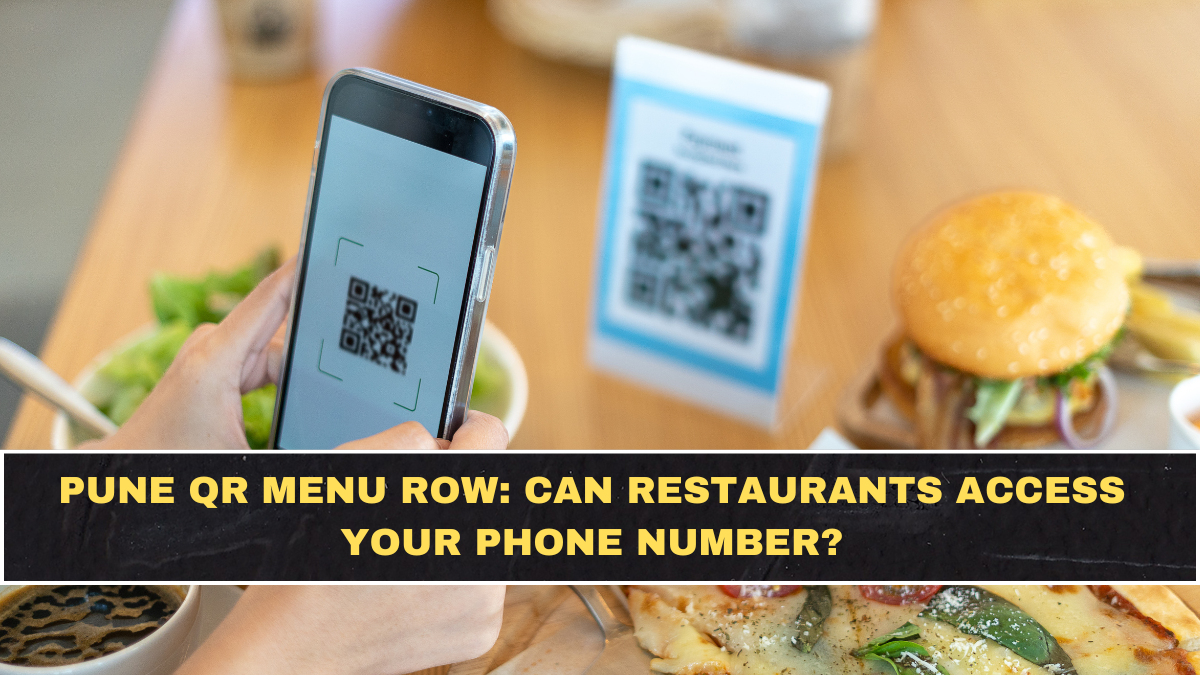
A Pune woman’s claim about receiving late-night messages from a restaurant staff member has turned a normal QR-menu scan into a serious privacy debate. According to multiple reports, Rishika Dutta said she visited a restaurant on Pune’s FC Road, scanned a QR code to access the menu or ordering system, and later received messages from an unknown number. She alleged that the number was accessed through the restaurant’s digital system.
The case went viral because it touched a fear many customers never think about while eating out: what happens to the personal data collected by digital menus? Reports say the restaurant later took action and terminated the employee involved, but the larger issue remains. If a restaurant collects phone numbers through ordering software, who inside the business can see that data, and how safely is it stored?
What Happened In The Pune Case?
The incident reportedly began after the woman visited a restaurant on FC Road on April 28 and used the QR-code system like most customers do today. Later that night, she allegedly received personal messages from someone who was later identified as a restaurant staff member. She claimed she had not directly shared her number with him, which led to suspicion that it may have been accessed through the digital ordering system.
This is exactly why the story spread so quickly online. The issue was not just one employee’s behaviour; it was the possibility that a customer’s phone number could be visible to staff without clear consent. Restaurants need digital tools, but they also need strict internal controls, because convenience without privacy protection can quickly become unsafe for customers.
| Key Question | Why It Matters |
|---|---|
| Was the number collected by the QR system? | Customers may not know what data is captured |
| Who could access the customer data? | Internal misuse becomes possible without controls |
| Was clear consent taken? | Users should know before sharing personal details |
| Did the restaurant act? | Reports say the employee was terminated |
| What should customers do? | Scan carefully and avoid unnecessary data sharing |
Can QR Menus Really Collect Data?
A basic QR code only opens a link, so scanning it alone does not automatically give away your phone number. But many restaurant systems do more than show a menu. Some ask customers to enter a phone number, log in, place an order, join Wi-Fi, pay online, or share contact details for offers and billing. That is where personal data can enter the restaurant’s system.
The risky part is not the QR code itself; the risky part is the website or ordering platform behind it. If the platform collects phone numbers and staff members have access to customer records, misuse becomes possible. This is why customers should not casually enter personal details unless the restaurant clearly explains why the information is needed.
Why Did This Story Hit A Nerve?
The story became viral because it connects privacy with women’s safety. A customer going out for food should not have to worry that someone working there may use her phone number later. That feeling of being watched or contacted without permission is exactly what makes the case disturbing for many people.
It also exposes a blind spot in India’s fast digital adoption. Restaurants moved quickly from printed menus to QR menus, but many customers were never told what data is collected, who stores it, and who can access it. Businesses love convenience, but customers are now asking whether that convenience came at the cost of basic privacy.
What Should Customers Check Before Scanning?
Customers do not need to stop using QR menus completely, but they need to become less careless. The biggest mistake is entering a phone number, email, OTP, location access, or login details without checking why the website is asking for it. A menu should not normally need excessive personal information just to show food items.
Useful safety checks include:
- Scan only QR codes placed officially on the table, bill folder or restaurant counter.
- Avoid entering your phone number unless it is clearly needed for ordering or payment.
- Check whether the link opens a trusted restaurant or ordering platform.
- Do not allow unnecessary permissions like location, contacts or file access.
- Report suspicious messages immediately and save screenshots as evidence.
What Should Restaurants Change Now?
Restaurants cannot hide behind “digital convenience” after incidents like this. If they collect customer data, they must treat it like sensitive information, not casual staff-access material. Every restaurant using QR ordering should limit employee access, track who views customer data, and train staff on privacy rules.
They should also display a clear privacy notice before collecting phone numbers. If a phone number is only needed for billing or order updates, say that clearly. If it is being used for marketing, consent should be separate. Businesses that fail to control data access are not just risking bad reviews; they are risking customer trust.
Conclusion?
The Pune QR menu row is not just another viral restaurant story. It is a warning about how quickly digital convenience can become a privacy problem when customer data is not protected properly. A QR menu may look harmless, but the system behind it can collect and expose personal details if businesses are careless.
Customers should stay alert, but the bigger responsibility is on restaurants and digital menu providers. They must collect less data, protect it better, and restrict employee access. Otherwise, one dinner visit can become something far more uncomfortable than anyone expected.
FAQs?
Can A QR Menu Automatically Get My Phone Number?
A simple QR scan usually cannot automatically collect your phone number. However, if the QR menu opens a website or ordering system that asks you to enter your number, that information may be stored by the restaurant or platform.
What Happened In The Pune QR Menu Case?
A Pune woman alleged that a restaurant staff member contacted her after she used a QR-based menu or ordering system at a restaurant on FC Road. Reports say the employee was later terminated, but the case raised wider concerns about customer data privacy.
Should I Stop Scanning Restaurant QR Menus?
No, you do not need to stop completely, but you should scan carefully. Avoid entering unnecessary personal details, check the link, and do not give permissions that a menu page does not need. Printed menus are safer when you are unsure.
What Should Restaurants Do To Protect Customers?
Restaurants should limit access to customer data, train staff, use secure software, and clearly tell customers why any phone number is being collected. They should also keep logs so misuse can be traced quickly if something goes wrong.