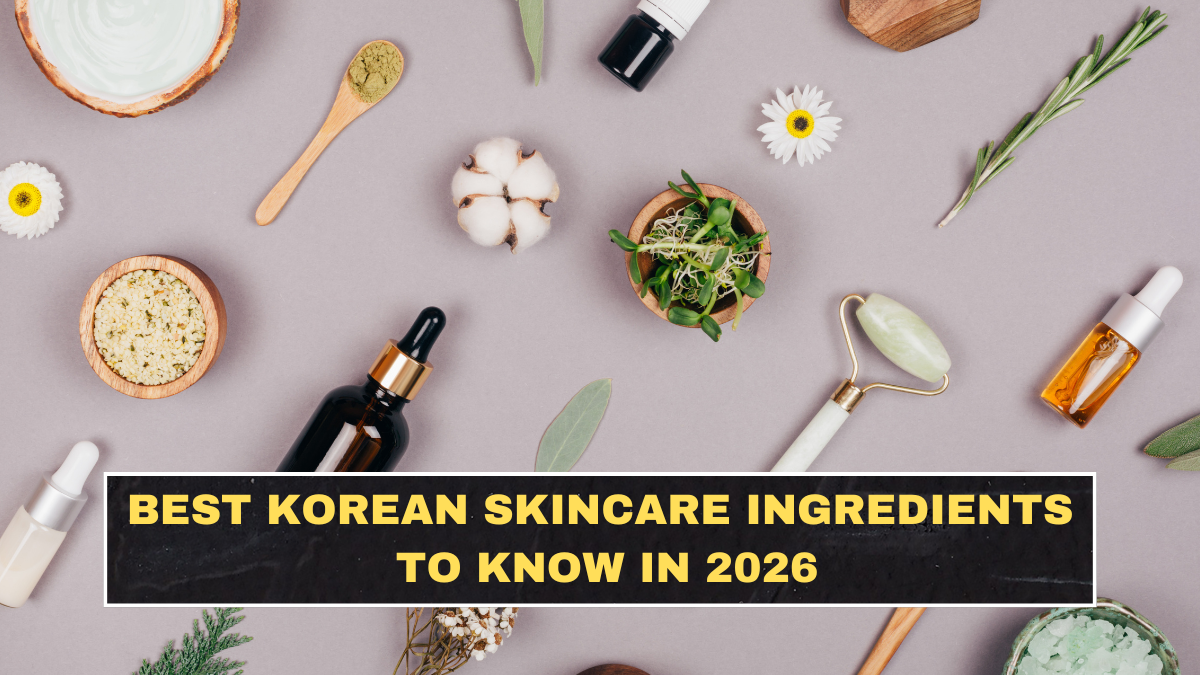
Korean skincare ingredients keep trending because K-beauty is usually faster at turning specific skin concerns into easy-to-understand product categories. But most ingredient roundups are lazy. They throw around words like glass skin, barrier repair, and glow without explaining what any ingredient is actually doing. In 2026, the ingredients worth knowing are still the ones tied to clear outcomes: hydration, soothing, brightening, barrier support, acne control, and smoother texture. Recent beauty coverage still keeps circling the same ingredient families in Korean products, especially snail mucin, centella asiatica, niacinamide, rice extract, hyaluronic acid, ceramides, and newer buzz ingredients like PDRN and collagen-focused formulas.
Why do Korean skincare ingredients get so much attention?
Because K-beauty is usually built around texture, layering, and targeted ingredient stories rather than one harsh “fix everything” product. Recent 2026 editor-tested coverage from Byrdie and Allure still highlights hydration-first, barrier-supportive, and gentle-but-effective formulas as standout strengths of Korean skincare. That matters because a lot of users are no longer looking for aggressive routines. They want ingredients that help skin look calmer, more even, and more hydrated without wrecking the barrier.
Which Korean skincare ingredients matter most in 2026?
The strongest ingredient categories are not mysterious. They are the ones that keep showing up because they match real skin needs. Snail mucin is still big for hydration and glow, centella is still central for soothing, niacinamide is still everywhere for tone and oil balance, and hyaluronic acid plus ceramides remain core for barrier support. Rice-based ingredients also keep appearing in toners and serums aimed at brightness and softness, while collagen- and PDRN-themed products are getting more attention in 2026 beauty coverage.
| Ingredient | What it is usually used for | Who it may suit best |
|---|---|---|
| Snail mucin | Hydration, glow, softer texture | Dry, dehydrated, dull skin |
| Centella asiatica | Calming, barrier support, less visible redness | Sensitive or irritated skin |
| Niacinamide | Tone support, oil balance, brightness | Oily, acne-prone, uneven skin |
| Hyaluronic acid | Water-binding hydration | Dehydrated skin types |
| Ceramides | Barrier support and moisture retention | Dry, sensitive, over-exfoliated skin |
| Rice extract | Brightness and softness | Dull or rough-looking skin |
| Retinal/retinoid formulas | Smoother texture, anti-aging support | Experienced users needing texture support |
Why is snail mucin still everywhere?
Because it is one of the easiest K-beauty ingredients for people to understand once they try it. In 2026 Allure coverage, snail mucin still shows up repeatedly in bestselling essences and masks, usually paired with hydrating helpers like hyaluronic acid and soothing ingredients like allantoin. That repeated positioning tells you what the market sees it as: a hydration and glow ingredient, not some miracle cure. It is especially common in products aimed at dull, dehydrated, or compromised-looking skin.
Why is centella asiatica such a staple in K-beauty?
Because irritated skin is common, and centella fits the barrier-repair era perfectly. Allure’s 2026 cica coverage describes centella asiatica as an ingredient known for calming visible redness and supporting barrier recovery, with dermatologist commentary explaining that it helps reactive skin feel less hot, tight, and stressed. That is why centella keeps showing up in cleansers, serums, sunscreens, and creams. It is not just a trend ingredient anymore. It is basically a K-beauty default for sensitive-skin positioning.
Why does niacinamide keep showing up in Korean products?
Because it is one of the most flexible cosmetic ingredients on the market. In recent Allure toner and product coverage, niacinamide appears repeatedly in products aimed at brightness, clogged pores, and tone support. That matters because it explains why brands use it so often: one ingredient story can appeal to people worried about dullness, oiliness, and post-acne marks at the same time. It is popular because it is versatile, not because it is magical.
Why are hyaluronic acid and ceramides still important?
Because trendy ingredients mean very little if skin is dehydrated or the barrier is irritated. Byrdie’s 2026 tested roundup and Allure’s current Korean skincare coverage keep highlighting hydrating and barrier-supportive formulas, often with hyaluronic acid, ceramides, squalane, and similar support ingredients. This is the part many people miss: a glowing routine is usually built on moisture retention and barrier comfort first, not just on actives. That is why hyaluronic acid and ceramides remain boring but essential.
Are rice extract, collagen, and PDRN worth watching?
Yes, but with some caution. Rice-based toners and serums are still being highlighted in 2026 K-beauty coverage for brightness and softness. Collagen-focused masks and serums also remain visible, especially in formulas chasing bounce and plump-looking skin. PDRN is one of the newer ingredient stories getting more buzz in beauty-industry reporting. But this is where people get gullible. A trending ingredient can be interesting without being essential. The real question is always whether the full formula fits your skin concern, not whether one ingredient sounds futuristic.
What should people be careful about when buying Korean skincare?
Do not buy products just because the ingredient name sounds exciting. Also do not assume “Korean” means automatically gentler, safer, or better for your skin. In the United States, the FDA says cosmetic products and ingredients generally do not need FDA premarket approval, except for color additives, and companies are responsible for product safety. That means users still need to read labels, patch test where appropriate, and stop acting as if hype is regulation. Good ingredients matter, but the formula, concentration, fragrance profile, and your own skin tolerance matter too.
How should someone choose the right Korean skincare ingredient?
Choose by skin problem, not by trend. If your skin feels tight and dehydrated, hydration and barrier ingredients make more sense than stronger actives. If your skin is reactive, centella and ceramide-heavy formulas are smarter than aggressive exfoliation. If your concern is dullness or uneven tone, niacinamide and rice-based products may be more relevant. If your skin is already irritated and you keep layering trendy actives anyway, the problem is probably not that you need another serum. The problem is that you are overdoing it.
Conclusion?
The best Korean skincare ingredients to know in 2026 are still the ones tied to clear, repeatable results. Snail mucin, centella asiatica, niacinamide, hyaluronic acid, ceramides, and rice extract keep showing up because they match real skin concerns like dehydration, irritation, dullness, and barrier weakness. Newer buzz around collagen and PDRN may keep growing, but the basic rule stays the same: do not chase ingredient hype without knowing what your skin actually needs. K-beauty is useful when it simplifies your routine, not when it turns it into a trend-chasing mess.
FAQs
What is the most popular Korean skincare ingredient right now?
Snail mucin, centella asiatica, niacinamide, and hyaluronic acid are still among the most visible Korean skincare ingredients in current 2026 beauty coverage.
Is centella better than niacinamide?
They do different jobs. Centella is usually used for calming and barrier support, while niacinamide is more often used for brightness, oil balance, and tone support.
Is snail mucin actually good for skin?
It is commonly used in Korean skincare for hydration and glow support, especially in products aimed at dull or dehydrated skin.
Are Korean skincare ingredients FDA approved?
Not in the way many people assume. FDA says cosmetic products and ingredients generally do not require premarket approval, except for color additives, and companies are responsible for safety.
What is the biggest mistake people make with K-beauty ingredients?
Buying based on trend names instead of skin needs. The ingredient might be good, but if the formula does not match your skin problem, the product can still be a bad buy.