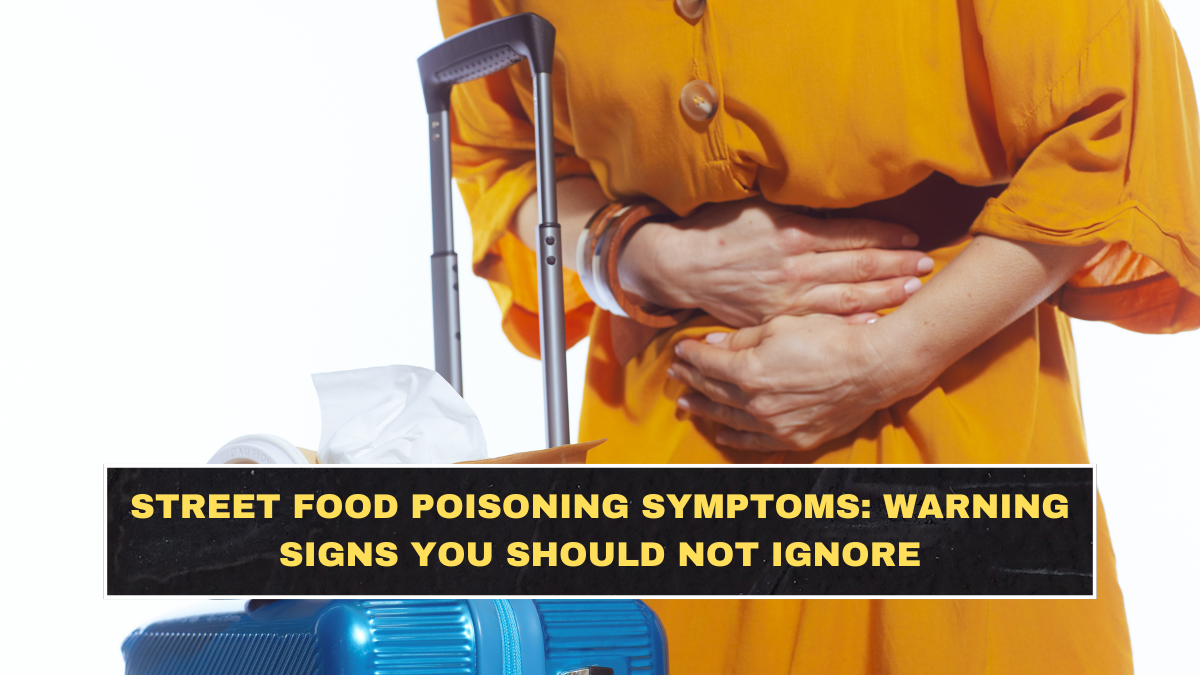
Street food poisoning symptoms usually include diarrhoea, stomach pain, cramps, nausea, vomiting, fever, weakness, and sometimes headache. The CDC says symptoms depend on the germ swallowed, but the most common signs are diarrhoea, stomach cramps, nausea, vomiting, and fever. Symptoms may begin within hours or days after eating contaminated food or drinking unsafe water.
In India, the risk can rise during summer because food spoils faster in heat, especially if it is kept uncovered or handled without clean water. Chaat, golgappa, cut fruits, chutneys, cold drinks, ice, and sauces can become risky if prepared with contaminated water or stored badly. The food may taste normal, but that does not mean it is safe.
The dangerous mistake people make is ignoring early symptoms because they think it is “just acidity” or “normal loose motion.” Mild stomach upset can settle, but repeated vomiting, diarrhoea, fever, or dehydration should not be taken lightly. Food poisoning can become serious faster in children, elderly people, pregnant women, and people with weaker immunity.
How Soon Do Symptoms Start After Eating Unsafe Street Food?
Symptoms can start within a few hours, but they can also appear after one or more days depending on the germ, toxin, or contamination source. Mayo Clinic explains that food poisoning symptoms can begin within hours or days after eating contaminated food, and dehydration is one of the most common serious complications.
For example, vomiting soon after eating may happen when food contains certain toxins. Diarrhoea and fever may appear later when bacteria, viruses, or parasites infect the gut. This is why tracing the exact food item can be difficult, especially when someone eats from multiple places in a day.
If several people who ate the same food fall sick around the same time, the suspicion becomes stronger. Families should note what was eaten, where it was bought, when symptoms started, and who else became unwell. This information can help doctors and local health authorities identify a possible outbreak.
Which Symptoms Are Mild And Which Are Dangerous?
Not every case of food poisoning becomes an emergency. Mild symptoms may include slight stomach discomfort, one or two loose motions, mild nausea, or temporary weakness. These can improve with rest, clean fluids, oral rehydration solution, and light food, as long as the person remains alert and hydrated.
Dangerous symptoms are different. The CDC says severe warning signs include bloody diarrhoea, diarrhoea lasting more than three days, fever over 102°F, frequent vomiting that prevents keeping liquids down, and signs of dehydration such as low urination, dry mouth, dry throat, or dizziness when standing.
| Symptom | Risk Level | What It Means |
|---|---|---|
| Mild stomach pain | Low to moderate | Monitor and stay hydrated |
| Vomiting once or twice | Moderate | Replace fluids and watch closely |
| Repeated vomiting | High | Dehydration risk increases |
| Blood in stool | High | Needs medical attention |
| High fever | High | Possible serious infection |
| Very little urination | High | Warning sign of dehydration |
When Should You See A Doctor Immediately?
You should see a doctor immediately if there is blood in stool, high fever, repeated vomiting, severe stomach pain, confusion, extreme weakness, dizziness, or signs of dehydration. Waiting too long is not bravery; it is poor judgment. Food poisoning can quickly become dangerous when the body loses too much water and electrolytes.
The NIDDK says dehydration symptoms include thirst, dry mouth, urinating less than usual, lack of energy, no tears when crying, sunken eyes or cheeks, and reduced skin elasticity. It also says anyone with signs or symptoms of dehydration should see a doctor or go to an emergency room right away.
Children need extra caution. If a child has repeated vomiting, loose motions, fever, dry mouth, sunken eyes, unusual sleepiness, or fewer wet diapers, do not wait for the situation to become worse. Dehydration can become serious quickly in children because their bodies have less fluid reserve than adults.
What Should You Do First At Home?
The first step is to prevent dehydration. Give clean water, oral rehydration solution, coconut water, thin dal water, or other safe fluids in small sips. If vomiting is frequent, large amounts at once may worsen nausea, so small repeated sips are better than forcing a full glass immediately.
Mayo Clinic advises replacing fluids and electrolytes after vomiting or loose stools, because serious dehydration may require hospital treatment with intravenous fluids. Light foods such as rice, curd, banana, toast, khichdi, or plain soup may be used once vomiting reduces, but oily, spicy, and heavy foods should be avoided.
Do not randomly take antibiotics, strong anti-diarrhoea tablets, or painkillers without medical advice. This is where people make themselves worse. Some infections should not be suppressed blindly, and unnecessary antibiotics can create side effects or resistance. If symptoms are severe, get proper medical help instead of copying someone’s WhatsApp remedy.
How Can You Reduce The Risk While Eating Street Food?
You can reduce risk by checking hygiene before eating, not after falling sick. Avoid stalls where food is uncovered, water is stored in open containers, flies are present, utensils look dirty, or the vendor handles money and food together without washing hands. A crowded stall is not automatically a clean stall.
Be extra careful with golgappa water, chutneys, cut fruits, salads, ice, and cold drinks made with unknown water. These items are high-risk because they are often served without reheating, which means germs may survive. Hot food that is cooked fresh in front of you is usually safer than food sitting outside for hours.
Also avoid eating from places near open drains, garbage piles, stagnant water, or heavy dust. This sounds obvious, but people ignore it when the food looks tempting. Your stomach does not care how famous the stall is if the water and handling are unsafe.
Conclusion?
Street food poisoning can look like a normal stomach problem at first, but it should not be ignored when symptoms become severe. Vomiting, diarrhoea, fever, cramps, and weakness are common, but blood in stool, high fever, repeated vomiting, and dehydration are serious warning signs.
The smart approach is simple: hydrate early, monitor symptoms, avoid random medicines, and seek medical help when red flags appear. Street food can be enjoyed, but hygiene must come before taste. Ignoring basic safety for one plate of chaat or golgappa is not worth risking your health.
FAQs
What Are The First Signs Of Street Food Poisoning?
The first signs may include stomach cramps, nausea, vomiting, diarrhoea, fever, weakness, and headache. Symptoms can begin within hours or days after eating contaminated food or drinking unsafe water.
How Long Does Food Poisoning Usually Last?
Mild food poisoning may improve within one to three days, but this depends on the cause and the person’s health. If diarrhoea lasts more than three days, fever is high, or symptoms worsen, medical advice is needed.
What Is The Biggest Danger In Food Poisoning?
The biggest danger is dehydration, especially when vomiting and diarrhoea continue. Children, older adults, pregnant women, and people with weak immunity are more likely to develop serious dehydration.
Should You Take Antibiotics For Food Poisoning?
No, antibiotics should not be taken without a doctor’s advice. Many food poisoning cases do not need antibiotics, and wrong use can cause side effects or resistance. Severe symptoms should be checked by a healthcare professional.