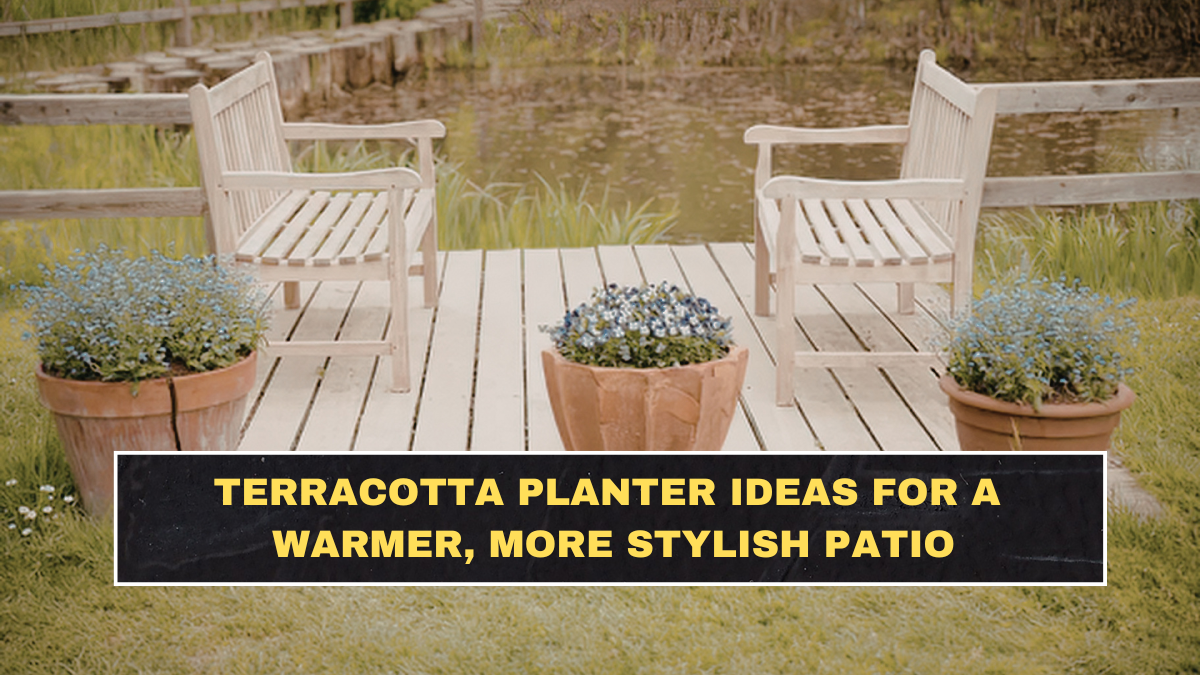
Terracotta planters keep showing up because they do something plastic pots usually do not: they make a patio feel warmer, older, and more intentional. That is the appeal. The color adds instant warmth, the texture softens hard surfaces, and the material works with both classic and modern outdoor spaces. But people also romanticize them too much. A patio full of terracotta only looks good if the setup is thought through. Otherwise, it becomes a scattered collection of drying pots and stressed plants. The Royal Horticultural Society notes that terracotta and clay containers are attractive, but unglazed pots are porous and dry out more quickly than other materials, which is the exact tradeoff people need to understand before copying the look.
Why do terracotta planters make patios look better?
They work because they create visual warmth without needing loud color. That is the real advantage. Terracotta sits somewhere between neutral and statement material, so it makes patios feel styled without making them look overdesigned. University of Maryland Extension points out that containers offer aesthetic flexibility through color, shape, size, and material, which is why container choice itself can shape the whole look of a space rather than just holding plants. On a patio, terracotta helps unify the scene because even different pot sizes still share one recognizable material and tone.
Another reason terracotta works is repetition. A patio usually looks expensive when the materials feel repeated and edited, not when every planter is different. That is the mistake a lot of people make. They buy random pots one at a time, then wonder why the space looks messy. A group of terracotta pots in related shapes usually looks more polished than a mix of plastic, resin, metal, and bright ceramic fighting each other for attention. The material does a lot of the design work for you, which is exactly why it stays popular. This is an inference based on container-design guidance emphasizing the creative and aesthetic role of container type and the RHS advice on terracotta’s visual appeal.
What practical drawbacks should you know before styling with terracotta?
This is the part people skip because it ruins the fantasy mood. Terracotta looks great, but it dries out faster than less porous materials. The RHS says unglazed terracotta dries out more quickly, and its watering guidance adds that terracotta pots dry out quickly while shallow pots lose moisture faster than larger, deeper ones. Penn State Extension also notes that plastic containers do not dry out as quickly as porous materials such as terracotta. So the material is not “bad,” but it does demand smarter plant choice and smarter positioning.
Terracotta also needs climate awareness. The RHS warns that terracotta is prone to cracking in winter unless the pots are frost-proof rather than merely frost-resistant. That matters if a patio is exposed and the pots stay outside year-round. People often focus so much on the Mediterranean look that they ignore whether the container will actually survive their weather. A stylish patio that needs replacing every season is not a good setup.
Which terracotta planter ideas are easiest to copy?
The easiest idea is clustering pots in threes or fives near a seating area or doorway. Use one tall planter, one medium planter, and one lower wider pot so the grouping feels layered rather than flat. That usually looks better than lining identical small pots across the whole patio. Another easy approach is creating one anchor planter on each side of a door, bench, or patio step, then repeating smaller terracotta accents nearby. Because terracotta already has a strong visual identity, you do not need complicated styling tricks. The pots themselves carry enough character if they are grouped well.
A third idea is using terracotta for one zone only, such as the dining corner, the sunny edge, or the patio steps. This is smarter than covering the whole patio in clay just because the material is trendy. University of Maryland’s container guidance emphasizes that container type and placement help match plants to site conditions, and that control over light exposure and growing conditions improves results. In plain language, that means not every patio corner should get the same pot or the same plant. Style should follow conditions, not just Pinterest logic.
| Terracotta planter idea | Why it works | Best spot |
|---|---|---|
| Clustered pot group | Creates a layered, designed look fast | Patio corner or beside seating |
| Entry framing with two large pots | Adds structure and symmetry | Doorway or steps |
| One-material patio zone | Makes the space feel edited, not cluttered | Dining area or sunny edge |
| Mixed heights with drought-tolerant plants | Matches terracotta’s quicker drying habit | Hot, exposed patios |
| Larger statement pots instead of many tiny ones | Reduces visual mess and slows drying a bit | Small patios and balconies |
Which plants suit terracotta planters best?
Plants that tolerate quicker drying usually make the most sense. The RHS advises using drought-loving plants and avoiding small pots if you want to cut down on watering, especially in exposed balcony or patio conditions. It also notes that drought-tolerant plants with small, fleshy, or silvery leaves can usually go longer between waterings. That makes Mediterranean-style herbs, lavenders, salvias, and similar sun-loving plants a more natural match than thirsty plants that sulk the moment compost dries a little.
Pot size matters too. Larger and deeper containers hold moisture longer than shallow ones, according to the RHS, and Maryland Extension stresses matching container size to plant size rather than squeezing large plants into undersized pots. So if you want the terracotta look without constant watering, use fewer, larger pots instead of a lot of tiny decorative ones. That is the practical move most people resist because small pots are cute. Cute dries out fast.
How can you make terracotta styling easier to maintain?
First, stop treating every pot like a standalone decoration. A patio is easier to manage when the containers are grouped by similar watering needs. Second, use larger pots where possible because they buffer moisture better. Third, place the thirstiest containers where they are easiest to water, not where they look best for a photo. The RHS says plants in containers dry out more quickly than those in garden soil and depend on us for water, but that the right containers, compost, and positioning help keep them healthy while minimizing water use.
If you are using unglazed clay for repotting or new planting, Penn State also notes that a new porous container such as unglazed clay may need soaking beforehand so it does not pull moisture too aggressively from the compost. That is a small detail, but it is the kind that separates a patio that stays healthy from one that looks good for a week.
Conclusion
Terracotta planter ideas work because the material adds instant warmth and structure to a patio without needing flashy colors or expensive landscaping. But the look only stays stylish when it is handled intelligently. Terracotta dries faster, smaller pots need more attention, and exposed patios punish bad plant choices. The best approach is simple: use larger pots, repeat the material, group containers well, and pair them with plants that tolerate the drier conditions terracotta naturally creates. That is how the patio looks warmer without becoming harder to live with.
FAQs
Are terracotta planters better than plastic pots?
Not universally. Terracotta is more attractive to many people, but unglazed terracotta is porous and dries out more quickly than plastic, so it usually needs more careful watering.
Which plants work best in terracotta pots?
Drought-tolerant plants are often a better fit, especially those that can handle quicker drying between waterings. The RHS specifically notes that drought-tolerant plants can usually go longer between watering sessions.
Do terracotta pots crack in winter?
They can. The RHS says terracotta is prone to cracking in winter, so frost-proof pots are a safer choice for exposed outdoor use.
Should I use lots of small terracotta pots?
Usually not. Larger, deeper pots hold moisture longer than shallow ones, so a few larger terracotta containers are often easier to manage and look cleaner than many small ones.