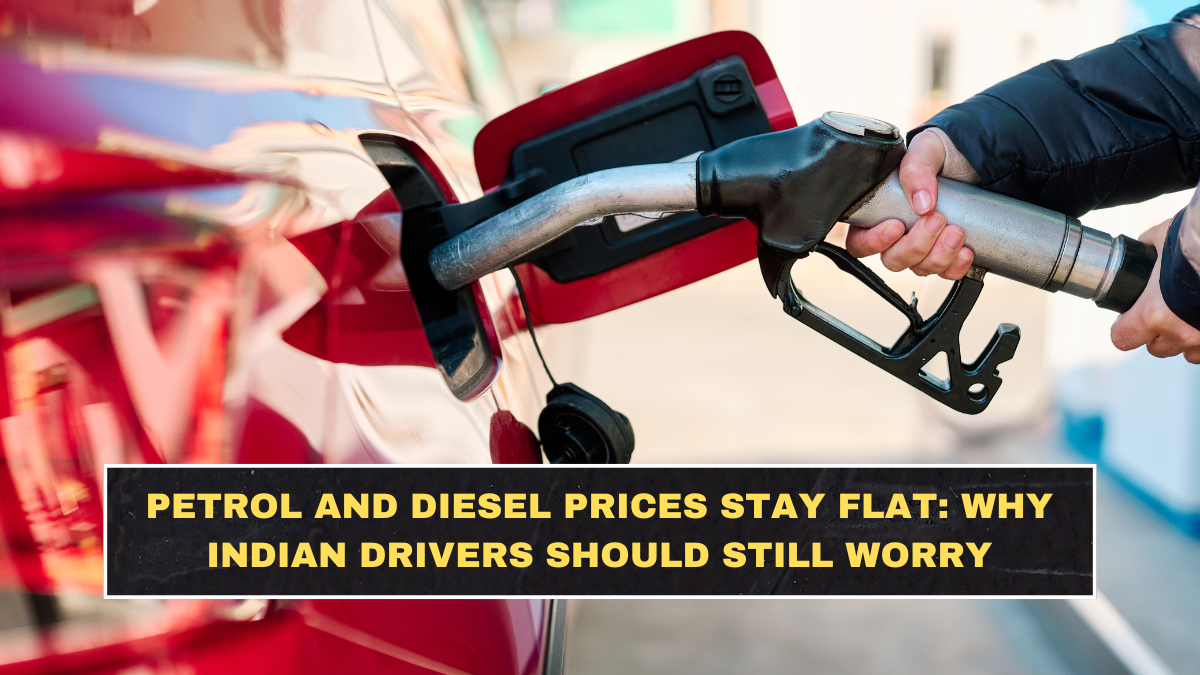
Petrol and diesel prices are trending today because fuel rates in most major Indian cities remained largely unchanged on April 30, 2026, even while global crude oil prices surged sharply due to US-Iran tensions and Strait of Hormuz supply fears. This gap between stable pump prices and rising crude prices is exactly why people are searching whether a fuel price hike is coming next.
Business Today reported that fuel prices across India held steady on April 30 despite pressure from West Asia tensions and key shipping-route disruptions. At the same time, Reuters reported Brent crude crossed $122 per barrel and briefly touched $126.41, the highest level since 2022, as markets feared prolonged disruption in Middle East oil supplies.
What Are Petrol And Diesel Prices In Major Indian Cities Today?
Fuel prices vary from city to city because of state taxes, dealer commission, freight costs and local levies. That is why petrol is much cheaper in Delhi than in cities like Mumbai, Kolkata or Hyderabad. Even when the base crude pressure is the same, the final pump price seen by consumers is different across India.
Livemint’s April 30 city-wise fuel update listed petrol at ₹94.77 per litre in New Delhi, ₹103.54 in Mumbai, ₹105.41 in Kolkata and ₹100.84 in Chennai. The same report showed most prices were either unchanged or moved only slightly in selected cities, which confirms that pump rates have not yet reflected the full global oil shock.
| City | Petrol Price Today | Price Change |
|---|---|---|
| New Delhi | ₹94.77/litre | 0.00 |
| Mumbai | ₹103.54/litre | 0.00 |
| Kolkata | ₹105.41/litre | 0.00 |
| Chennai | ₹100.84/litre | -₹0.22 |
| Bengaluru | ₹102.96/litre | 0.00 |
| Hyderabad | ₹107.46/litre | -₹0.04 |
| Jaipur | ₹104.65/litre | -₹0.38 |
| Lucknow | ₹94.69/litre | 0.00 |
Why Are Prices Flat If Crude Oil Is So Expensive?
This is where many readers get confused. Petrol and diesel prices do not automatically rise every time crude oil jumps in the global market. Indian pump prices are influenced by oil marketing companies, government taxes, exchange rates, political timing, inventories and pricing strategy. So, a crude spike can take time to appear at the fuel station.
The government and oil retailers can absorb pressure for some time, especially when price stability is politically important. But this does not mean the pressure disappears. It only shifts temporarily from consumers to oil companies, government revenue, margins or future price revisions. If crude stays high for weeks, the system eventually has to adjust somewhere.
How Dangerous Is The Current Crude Oil Spike?
The current crude spike is dangerous because it is not just a normal demand-supply movement. It is linked to geopolitical fear around the Strait of Hormuz, one of the most important oil shipping routes in the world. When markets fear disruption in such a route, prices can rise even before actual shortages reach consumers.
Reuters reported that Brent crude rose above $122 per barrel on April 30 and touched $126.41 intraday amid worries over a prolonged US-Iran conflict and disrupted Middle East supplies. The US Energy Information Administration has earlier described Hormuz as a critical chokepoint for global oil flows, which explains why traders react so aggressively when this route is threatened.
How Can This Affect Ordinary Indian Households?
The obvious impact is petrol and diesel, but the real damage can be wider. Diesel powers trucks, buses, agriculture equipment, construction movement and supply chains. If diesel becomes costlier, transporting food, FMCG products, building material and online deliveries also becomes costlier. That is how a crude shock enters household budgets indirectly.
A weak rupee can make the situation worse because India pays for crude imports in dollars. If oil becomes expensive and the rupee weakens at the same time, India’s import bill rises faster. That can push inflation, affect the trade deficit and increase pressure on the economy. For ordinary families, this may show up as higher travel costs, grocery prices and service charges.
Why Should Drivers Worry Even Without A Price Hike Today?
Drivers should worry because flat prices today do not guarantee flat prices tomorrow. If crude remains above dangerous levels, oil marketing companies may face pressure to revise retail prices or recover losses later. A short-term freeze can protect consumers temporarily, but it cannot permanently cancel global oil economics.
There is also a behavioural risk. Many people see unchanged prices and assume there is no problem. That is weak thinking. The problem is already visible in crude markets, currency pressure and investor sentiment. Pump prices are only the last stage of the chain. By the time petrol and diesel prices rise, the pressure has usually been building for days or weeks.
What Should Consumers And Businesses Watch Next?
Consumers should watch three things: Brent crude price, rupee-dollar movement and official fuel price updates from oil companies. If crude stays elevated and the rupee weakens, the chance of future price pressure increases. Rumours on WhatsApp and social media should be ignored unless confirmed by official or credible sources.
Businesses should be even more alert. Transporters, delivery companies, airlines, retailers and manufacturers are more exposed to fuel costs than regular households. If diesel or logistics costs rise, they may pass some of that cost to consumers. That is why fuel-price stability matters not just for drivers, but for the entire economy.
Conclusion?
Petrol and diesel prices stayed mostly flat across Indian cities on April 30, 2026, but that should not make anyone relaxed. Global crude oil has moved into a dangerous zone because of US-Iran tensions and Hormuz-related supply fears. India may not feel the full impact at the fuel pump immediately, but the pressure is real.
The blunt truth is this: unchanged fuel prices today are not proof that India is safe from an oil shock. They only show that the shock has not fully reached consumers yet. If crude remains high, Indian drivers, businesses and households may still face the cost through fuel prices, inflation or higher transport expenses.
FAQs
Why Are Petrol And Diesel Prices Unchanged Today?
Petrol and diesel prices are unchanged in most major Indian cities because retail fuel prices do not move instantly with every global crude oil change. Government taxes, oil company pricing, inventories, political timing and currency movement all affect the final pump price.
What Is The Petrol Price In Delhi Today?
Petrol price in New Delhi was listed at ₹94.77 per litre on April 30, 2026, with no change from the previous update. Prices can vary slightly by pump and location, so users should still check official fuel-rate updates before relying on viral claims.
Can Crude Oil Above $120 Increase Petrol Prices In India?
Yes, crude oil above $120 can create pressure on Indian petrol and diesel prices if it remains high for a longer period. A one-day spike may be absorbed, but a sustained crude shock can affect oil companies, government revenue, inflation and future pump prices.
Should People Believe Viral Fuel Price Hike Messages?
No, people should not blindly believe viral fuel price hike messages. Fuel prices should be checked through credible news sources, official oil company updates or trusted fuel-rate trackers because fake social media posts often spread quickly during crude oil shocks.