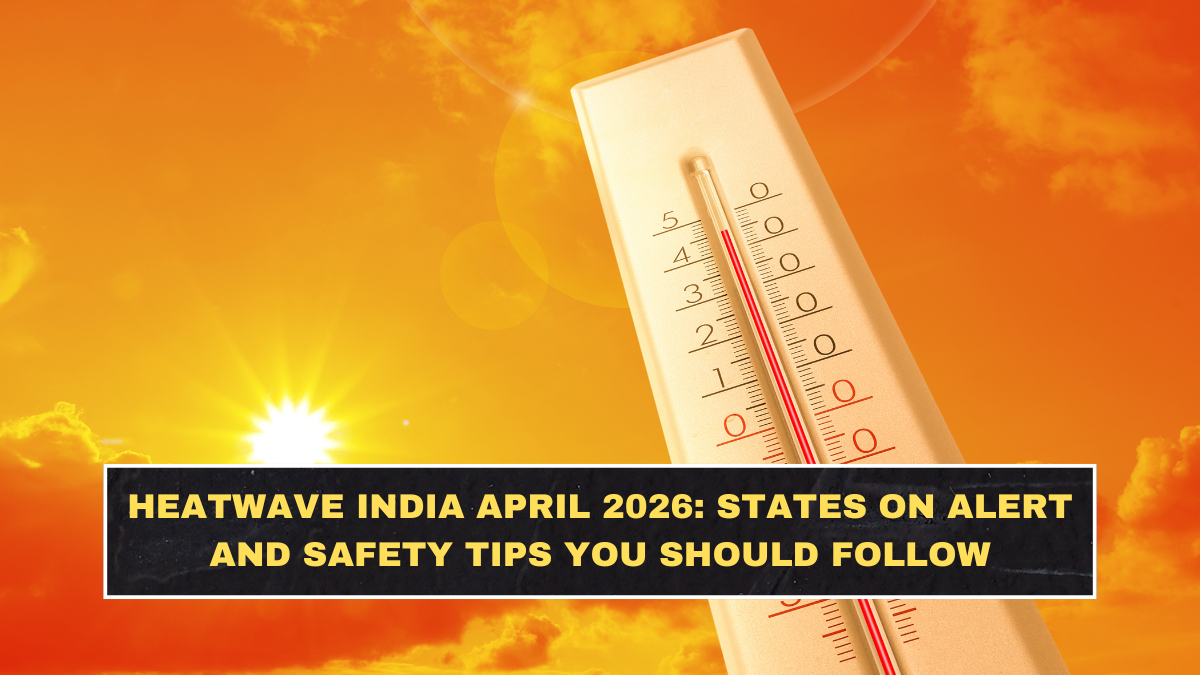
India is facing a sharp heatwave spell in late April 2026, with the India Meteorological Department issuing heatwave warnings across several northern, central and western regions. On April 25, IMD warnings covered parts of Delhi, Chhattisgarh, Haryana, Chandigarh, Madhya Pradesh, Punjab, Rajasthan, Uttar Pradesh and Vidarbha. That means this is not a one-city weather issue; it is a wider heat stress event affecting millions of people.
The dangerous part is not just the daytime temperature. Warm nights are also being reported in some areas, which reduces the body’s ability to recover after a hot day. IMD’s April 24 bulletin noted that maximum temperatures were between 40°C and 44°C across many parts of northwest, central and adjoining peninsular India, including Rajasthan, Uttar Pradesh, Madhya Pradesh, Chhattisgarh, Telangana and Andhra Pradesh.
Which States Are Under Heatwave Alert Right Now?
Several states are under alert because temperatures are either already very high or expected to remain high over the next few days. The official warning list includes Delhi, Haryana, Chandigarh, Rajasthan, Uttar Pradesh, Punjab, Madhya Pradesh, Chhattisgarh and Vidarbha. These regions are especially vulnerable because many areas are touching or crossing the 40°C mark during the day.
The situation is serious in Uttar Pradesh, where Prayagraj reportedly recorded 45.2°C on Friday, making it one of the hottest places in the country at that time. Lucknow also touched 42.5°C, showing that the heat is not restricted to one pocket. In Gujarat, Ahmedabad recorded 42.1°C and was expected to move close to 43°C, while Amreli touched 43.3°C.
| Region / City | Reported Or Forecast Heat Level | Why It Matters |
|---|---|---|
| Prayagraj, Uttar Pradesh | 45.2°C reported | Severe heat stress risk |
| Lucknow, Uttar Pradesh | 42.5°C reported | High urban heat exposure |
| Ahmedabad, Gujarat | 42.1°C reported | Road activity reduced due to heat |
| Amreli, Gujarat | 43.3°C reported | Among hottest Gujarat locations |
| Delhi-NCR | Heatwave alert | High population exposure |
| Rajasthan | Heatwave likely during April 23–29 | Longer heat spell risk |
| Vidarbha | Warning through late April | Central India heat hotspot |
Why Are 40°C To 45°C Temperatures Dangerous?
Temperatures between 40°C and 45°C are dangerous because the human body struggles to cool itself, especially when people are outdoors, dehydrated or exposed to direct sunlight for long periods. Heat becomes more dangerous for children, elderly people, outdoor workers, delivery riders, traffic police, construction workers and people with heart or kidney conditions.
The real mistake people make is treating heatwave days like normal summer days. They are not normal. When temperatures cross 42°C or 45°C, even short exposure during peak afternoon hours can cause dizziness, dehydration, heat exhaustion or heat stroke. If humidity is also high, sweating becomes less effective, and the body overheats faster.
What Are The Early Signs Of Heat Exhaustion?
Heat exhaustion usually starts before heat stroke, and this is the stage where people should act quickly. Common warning signs include heavy sweating, weakness, headache, nausea, dizziness, muscle cramps, fast heartbeat and unusual tiredness. A person may still be conscious and talking, but that does not mean they are safe.
The right response is immediate cooling. Move the person to shade or an air-conditioned place, loosen tight clothing, give small sips of water if they are alert, and apply a wet cloth to the neck, face and arms. If symptoms do not improve quickly, medical help should not be delayed. Waiting too long is where families make the dangerous mistake.
What Are The Warning Signs Of Heat Stroke?
Heat stroke is an emergency, not a home-remedy situation. Warning signs include confusion, fainting, very high body temperature, hot skin, seizures, repeated vomiting or the person becoming unable to drink water properly. In this condition, the body’s cooling system may fail, and organ damage can happen quickly.
If heat stroke is suspected, call emergency medical help immediately. Move the person to a cooler place and start cooling the body with wet cloths, fans or cool water while waiting for help. Do not force water into the mouth if the person is unconscious, confused or not able to swallow safely.
What Should Families Do During A Heatwave?
Families should plan the day around heat, not around convenience. Outdoor work, shopping, travel and exercise should be avoided between late morning and late afternoon, especially from around 12 pm to 4 pm. Children should not be allowed to play outdoors during peak heat, even if they say they feel fine.
At home, keep drinking water regularly, use ORS or lemon water when sweating heavily, wear loose cotton clothes and keep curtains closed during peak sunlight. People who live in top-floor rooms, tin-roof homes or poorly ventilated spaces need extra care because indoor temperatures can become dangerous even without direct sun exposure.
| Safety Step | What To Do | Who Needs It Most |
|---|---|---|
| Hydration | Drink water regularly before feeling thirsty | Everyone |
| Avoid peak sun | Stay indoors during afternoon heat | Children, elderly, workers |
| Light clothing | Wear loose cotton clothes | Outdoor commuters |
| Cooling | Use wet cloth, fan, shade or cooler | People without AC |
| Food choice | Eat lighter meals, avoid heavy oily food | Elderly and heat-sensitive people |
| Check symptoms | Watch for dizziness, cramps, confusion | Families with vulnerable members |
What Should Outdoor Workers And Commuters Do?
Outdoor workers are at the highest risk because they cannot always avoid the sun. Construction workers, street vendors, farmers, delivery workers and traffic staff should take frequent shade breaks and drink water before they feel thirsty. Employers should adjust work hours where possible, because pretending productivity is more important than heat safety is reckless.
Commuters should carry water, avoid standing in direct sun while waiting for buses or autos, and use caps, scarves or umbrellas. Two-wheeler riders should be extra careful because hot roads, traffic heat and helmets can increase discomfort. If dizziness or nausea starts during travel, stopping in shade is smarter than pushing through.
When Could Relief Arrive From The Heat?
Some areas may get temporary relief through thunderstorms, gusty winds or light rain, but that does not mean the heatwave risk is over everywhere. IMD-related updates have indicated heatwave conditions in several areas through late April, while parts of Kerala may also see temperatures 3°C to 4°C above normal before possible thunderstorms around April 27 and 28.
The practical message is simple: do not assume one cloudy evening means the danger has passed. Heatwave alerts can shift quickly, and families should keep checking local forecasts. The safest approach is to treat the next few days as high-risk summer days until official warnings reduce clearly.
Conclusion?
The April 2026 heatwave in India is serious because multiple states are under alert and several cities are already reporting temperatures above 40°C. Uttar Pradesh, Delhi-NCR, Rajasthan, Gujarat, Madhya Pradesh, Chhattisgarh, Punjab, Haryana and Vidarbha need special attention because heat stress can rise quickly during peak afternoon hours.
The smartest response is not panic; it is discipline. Avoid peak sun, hydrate properly, check on vulnerable family members and take early symptoms seriously. Heat stroke does not give people unlimited warning time. If you ignore dizziness, confusion or extreme weakness, you are not being tough; you are taking an unnecessary risk.
FAQs
Which States Are Under Heatwave Alert In India Right Now?
IMD warnings include parts of Delhi, Haryana, Chandigarh, Punjab, Rajasthan, Uttar Pradesh, Madhya Pradesh, Chhattisgarh and Vidarbha. Some other regions are also facing above-normal temperatures, so local forecasts should be checked daily.
What Temperature Is Considered Dangerous During A Heatwave?
Temperatures above 40°C can become dangerous, especially with direct sun exposure, dehydration or high humidity. When temperatures move toward 44°C or 45°C, the risk of heat exhaustion and heat stroke increases sharply.
What Are The First Signs Of Heat Stroke?
Serious warning signs include confusion, fainting, very hot skin, seizures, repeated vomiting and inability to drink water safely. Heat stroke is a medical emergency and needs immediate help.
What Should Children And Elderly People Do During Heatwave Days?
Children and elderly people should avoid outdoor activity during peak afternoon hours, drink fluids regularly and stay in cooler rooms. Families should check on them often because they may not always notice early dehydration symptoms.
Can Rain Or Thunderstorms End The Heatwave Immediately?
Rain or thunderstorms can bring temporary relief, but they do not always end a heatwave across the whole region. Heat alerts can continue in nearby areas, so people should follow official local warnings instead of assuming the danger is over.